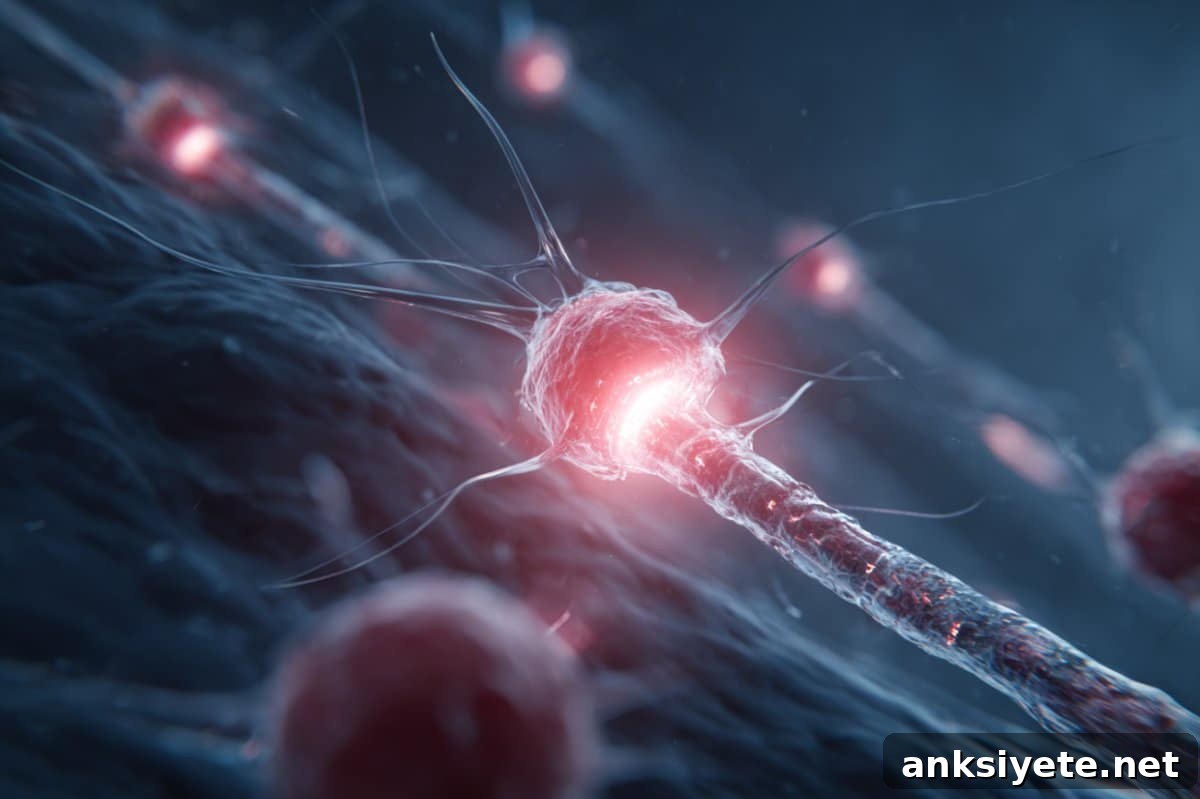
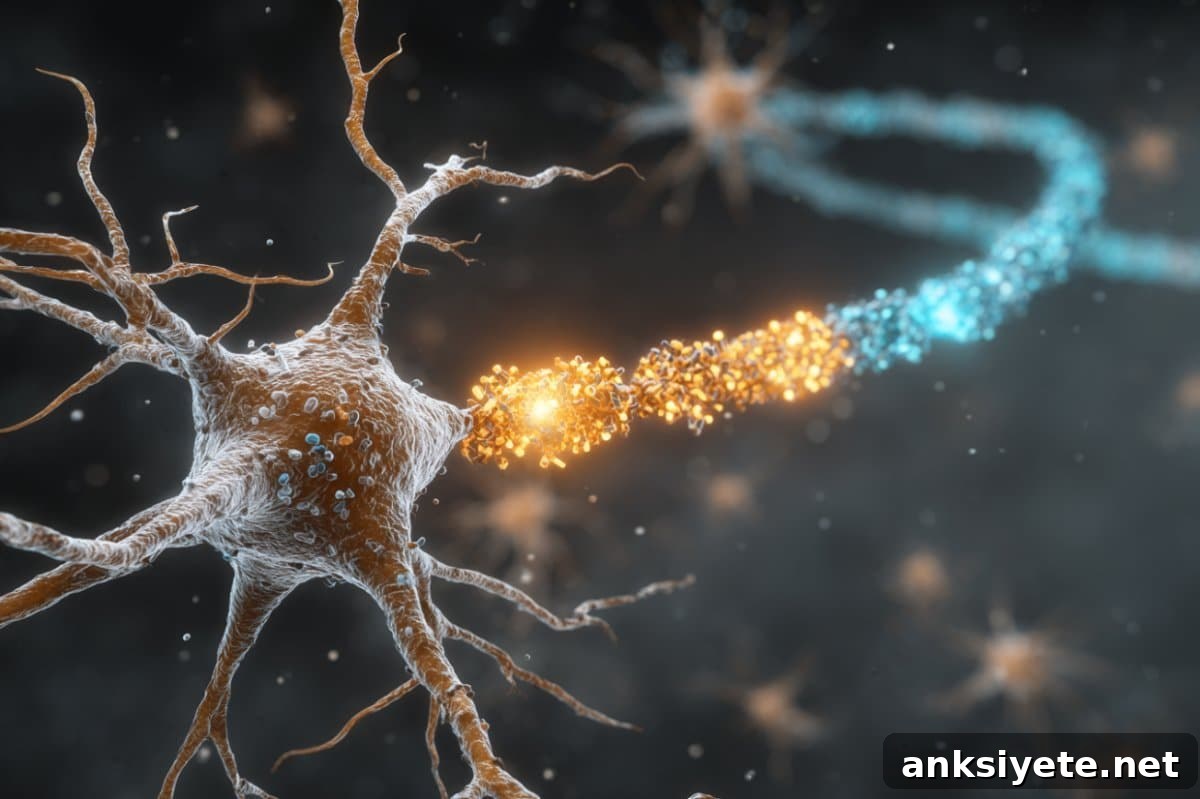
Adult Human Brains Continue Generating Memory Neurons

featured 111377

Summary: A major new study demonstrates that the human hippocampus continues to produce new neurons well into late adulthood. Researchers identified neural progenitor cells—the precursor cells that give rise to neurons—in people as old as 78, providing direct evidence of ongoing neurogenesis in the brain’s memory center. Combining advanced sequencing, imaging and machine learning, the … Read more

Gene Therapy Restores Hearing in Deaf Patients

featured 111368

Summary: A recent clinical trial demonstrates that gene therapy can restore meaningful hearing in both children and adults who were born deaf or severely hearing-impaired due to mutations in the OTOF gene. Using a synthetic adeno-associated virus to deliver a healthy OTOF copy directly to the inner ear, all ten participants showed measurable hearing gains … Read more

PFAS Chemicals Linked to Altered Brain Development in Children

featured 111364

Summary: New animal research suggests that perfluorohexanoic acid (PFHxA), a short-chain member of the PFAS family often considered a safer alternative, can produce lasting behavioral changes when exposure occurs during early development. In a rodent model, male mice exposed to PFHxA before birth and through lactation showed increased anxiety-like behavior, memory impairments, and reduced activity … Read more

How Drug-Coated Brain Implants Reduce Immune Rejection

featured 111356

Summary: Researchers have developed a drug-coated strategy for neural prosthetic implants that significantly reduces the body’s immune response and limits scar tissue formation. By chemically attaching the anti-inflammatory drug dexamethasone to the surface of flexible polyimide electrodes, the team achieved a slow local release that preserves biocompatibility and improves the long-term stability and function of … Read more

Why Aging Doesn’t Always Lead to Chronic Inflammation

featured 111352

Summary: A global study challenges the long-held view that chronic inflammation is a universal marker of human aging. By comparing industrialized populations with Indigenous groups, researchers found that what is often called “inflammaging” is strongly influenced by lifestyle, environment, and infectious exposures rather than being an inevitable, biology-wide feature of aging. In industrialized settings, low-grade … Read more

TikTok ADHD Misinformation Misleads Teens and Parents

featured 111348

Summary: College students are increasingly turning to TikTok not only for entertainment but also as a source of information about health, including mental health conditions like attention-deficit/hyperactivity disorder (ADHD). A recent experimental study from Syracuse University shows that exposure to inaccurate TikTok content about ADHD reduced students’ factual knowledge while paradoxically increasing their confidence in … Read more

How the Brain Uses Fat Stores for Energy During Exercise

featured 111344

Summary: A new study from Weill Cornell Medicine overturns the long-standing belief that the brain relies exclusively on glucose. The research shows that active neurons can break down lipid droplets and use the released fatty acids as an alternative energy source when glucose is limited. This fat-burning pathway is driven by synaptic electrical activity and … Read more

Personality Traits Valued Across Cultures

featured 111340

Summary: A large cross-cultural psychology study finds remarkable agreement about what it means to be “cool.” Surveying nearly 6,000 people across 13 countries, researchers report that cool individuals are consistently described as extraverted, powerful, open-minded, adventurous, hedonistic, and independent. Although cultural traditions and norms differ worldwide, the concept of cool has converged into a recognizable … Read more

Clearing Brain Sugar Could Lower Dementia Risk

featured 111332

Summary: New research from the Buck Institute identifies a previously underappreciated role for neuronal sugar metabolism in protecting the brain from Alzheimer’s disease and other tau-related dementias. The study shows that neurons in both fruit fly and human models of tauopathy accumulate excess glycogen, and when this stored sugar cannot be broken down it impairs … Read more

Study Finds Cough Medicine May Slow Parkinson’s Dementia

featured 111327

Summary: A 12-month clinical trial led by Lawson Research Institute suggests that Ambroxol, an over-the-counter cough medication widely used in Europe, may slow aspects of cognitive decline in people with Parkinson’s disease dementia (PDD). The randomized, double-blind study found that Ambroxol stabilized psychiatric symptoms, limited a blood marker of brain damage, and produced cognitive improvements … Read more