
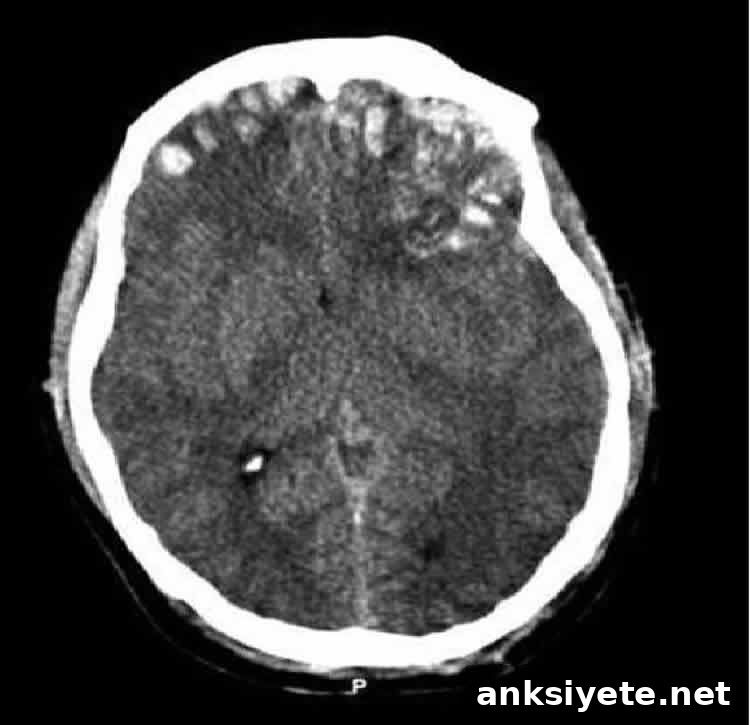
For teens, assaults, sports and vehicle crashes lead; for young children, falls are the primary cause of head injuries
A large prospective study evaluating more than 43,000 children with head trauma provides one of the most detailed pictures to date of how pediatric head injuries occur and how often they result in significant brain injury, computed tomography (CT) imaging, and neurosurgical intervention. Physicians at Washington University School of Medicine in St. Louis and the University of California, Davis School of Medicine reported the findings in The New England Journal of Medicine.
The analysis used data collected from 2004 to 2006 in emergency departments at 25 U.S. hospitals as part of the Pediatric Emergency Care Applied Research Network (PECARN). That federally funded research network focuses on the prevention and management of acute pediatric illnesses and injuries. The study included head injuries across the full spectrum of severity, from deeply comatose children to those with normal neurologic examinations, and categorized injury severity using the Glasgow Coma Scale (GCS).
Among the 43,399 pediatric patients included, 98 percent were classified as having mild head trauma. Despite the predominance of mild injuries, clinicians performed cranial CT scans on 37 percent of the children. CT imaging revealed traumatic brain injury (TBI) in 7 percent of scanned patients, with an additional 3 percent showing skull fractures without intracranial injury. These results suggest that CT scans may be overused in the emergency diagnosis of pediatric head trauma, exposing many children to radiation that could increase long-term cancer risk.
Age strongly influenced both how injuries occurred and their causes. In children aged 12 and under, falls were the most frequent cause of head trauma. For infants and toddlers under age 2, falls accounted for 77 percent of head injuries. In children aged 2 to 12 years, falls were responsible for 38 percent of head injuries. By contrast, the pattern for adolescents aged 13 to 17 was more varied: assaults, sports-related activities, and motor-vehicle collisions together accounted for the majority of head injuries in this age group. Specifically, 24 percent of head injuries in adolescents were related to assault, 19 percent to sports, and 18 percent to motor-vehicle crashes.
Behavioral and safety-practice data collected in the study highlighted preventable contributors to injury severity. Among children who sustained brain injuries in motor-vehicle crashes, fewer than half were reported to be wearing seat belts. Bicycle-related head injuries also showed low protective equipment use: less than 20 percent of children involved in bicycle crashes were reported to have been wearing helmets. These findings underscore opportunities for targeted prevention through improved use of seat belts and helmets, as well as violence prevention and safer sports practices for teenagers.
One of the primary aims of the initial PECARN study was to identify children at very low risk of clinically important brain injury who may not require immediate CT imaging. Because CT scans involve ionizing radiation and carry associated risks as well as costs, minimizing unnecessary scans is an important clinical goal. The investigators suggest that applying validated clinical criteria to identify low-risk patients, combined with careful observation in the emergency setting before proceeding to CT, can reduce unnecessary imaging without compromising patient safety.
Senior and lead authors emphasize that this dataset is uniquely valuable. The detailed, prospective information gathered from a large, diverse sample of pediatric emergency departments provides a “gold mine” of evidence to inform both prevention strategies and clinical decision making. The authors note that earlier research had already established traumatic brain injury as a leading cause of death and long-term complications in children older than one year, but comprehensive details on causes, age-specific patterns, and diagnostic imaging use were previously limited.
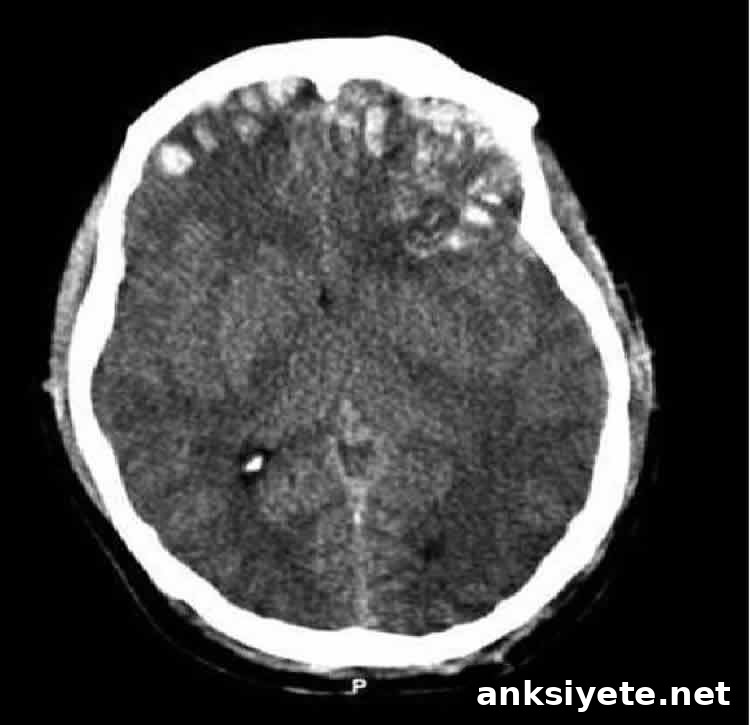
The study’s findings have several practical implications: public health programs can focus fall-prevention measures on very young children, while adolescent injury prevention should address assault reduction, safer sports practices, and motor-vehicle safety including consistent seat-belt use. Clinically, emergency departments can use the evidence to refine decision rules that identify children at low risk for clinically important brain injury and thereby reduce unnecessary CT imaging.
This research was supported by grants from the Maternal and Child Health Bureau; the Division of Research, Training and Education; and the Emergency Medical Services for Children Program of the Health Resources and Services Administration, U.S. Department of Health and Human Services (grant numbers R40MC02461, UO3MC00001, UO3MC00003, UO3MC00006, UO3MC00007, UO3MC00008, UO3MC22684, UO3MC22685).
Contact: Elizabethe Holland Durando, Washington University in St. Louis
Source: Washington University in St. Louis press release summarizing the study “Epidemiology of blunt head trauma in children in U.S. emergency departments” by Quayle KS et al., published online November 13, 2014 in The New England Journal of Medicine.