iPS cell technology applied to Huntington’s disease transgenic monkey model
Researchers have adapted induced pluripotent stem cell (iPS cell) technology to a transgenic nonhuman primate model of Huntington’s disease (HD), creating a practical “disease-in-a-dish” system for testing therapies and studying cellular pathology. The work, led by scientists at the Yerkes National Primate Research Center and Emory University School of Medicine, demonstrates that neurons derived from HD monkey iPS cells reproduce key hallmarks of the disease and respond to experimental interventions in culture.
The study was published in Stem Cell Reports.
One notable advantage of this primate iPS cell model is that the derived neural progenitors and neurons form cellular features characteristic of Huntington’s disease, including intranuclear inclusions of the mutant huntingtin protein. These inclusions are a central pathological signature of HD that many existing cell models fail to recapitulate, making the primate-derived cells particularly useful for evaluating potential therapeutics and genetic strategies aimed at reversing disease-related cellular changes.
Huntington’s disease is an inherited neurodegenerative disorder caused by an expanded polyglutamine region in the huntingtin protein. This mutation produces progressive motor dysfunction and cognitive decline, typically manifesting in adulthood. The transgenic nonhuman primate model used in this study carries extra copies of the huntingtin gene with expanded glutamine repeats. In these animals, motor and cognitive deficits appear earlier than in most human cases, often becoming apparent within the first two years of life, which enables more rapid experimental study of disease processes.
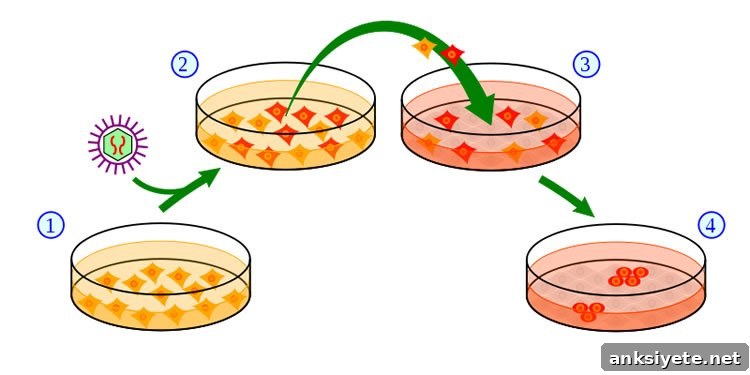
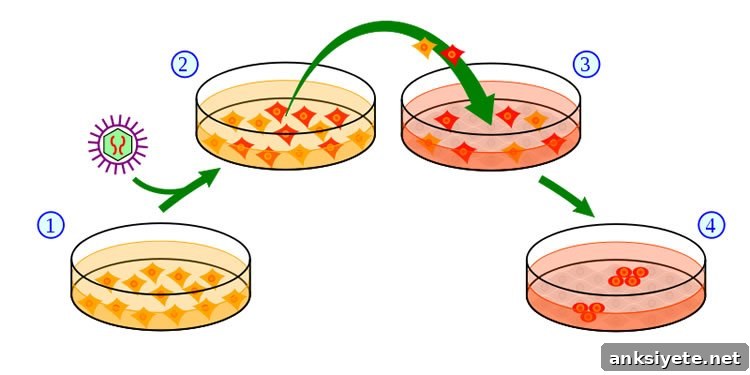
The iPS cells in this study were generated from somatic cells obtained from the transgenic monkeys, including skin and dental pulp samples. Researchers reprogrammed those somatic cells into pluripotent stem cells using established reprogramming factors. Once pluripotency was achieved, the team directed the iPS cells to differentiate into neural progenitor cells and further into mature neurons under defined culture conditions.
Neural cells derived from the Huntington’s disease iPS cells developed intracellular and intranuclear aggregates of mutant huntingtin protein, reproducing a key pathological feature observed in patients. These cells also exhibited heightened sensitivity to oxidative stress, a phenotype that reflects cellular vulnerability frequently associated with neurodegenerative diseases. Because these measurable cellular phenotypes emerged in culture, they provide robust readouts for testing therapies that aim to reduce mutant huntingtin accumulation or improve neuronal resilience.
To demonstrate the utility of the platform, the authors tested two experimental interventions. One approach used RNA-based gene knockdown to reduce expression of the mutant huntingtin, while the other used memantine, a drug currently under investigation in clinical trials for Huntington’s disease. Both interventions mitigated the oxidative stress sensitivity in the cultured neural cells, indicating that the iPS-derived neurons can be used to assess therapeutic benefit and to screen candidate compounds or genetic strategies.
The first author, Richard Carter, PhD, and colleagues emphasize that these results are a proof of principle. The primate iPS cell model offers a translationally relevant system to study HD pathogenesis at the cellular level and to prioritize therapeutic approaches before advancing to in vivo testing. Because the cells display disease-relevant protein aggregates and stress responses, the platform is suitable for drug discovery, mechanism-of-action studies, and evaluation of gene-based therapies aimed at correcting or compensating for the mutant huntingtin protein.
Anthony Chan, PhD, DVM, associate professor of human genetics at Emory University School of Medicine and senior author on the study, notes that the ability to observe and reverse cellular phenotypes in neural cells derived from a primate disease model strengthens the bridge between basic research and potential clinical applications. Using a primate-derived cellular model may better capture aspects of human neuronal biology and disease progression than some rodent or immortalized cell systems.
Contact: Lisa Newbern – Emory Health Sciences
Source: Emory Health Sciences press release
Image Source: The image is credited to Y tambe and is licensed Creative Commons Attribution-ShareAlike 3.0 Unported
Original Research: “Reversal of Cellular Phenotypes in Neural Cells Derived from Huntington’s Disease Monkey-Induced Pluripotent Stem Cells” by Richard L. Carter et al., published in Stem Cell Reports. Published online September 4, 2014; DOI 10.1016/j.stemcr.2014.07.011