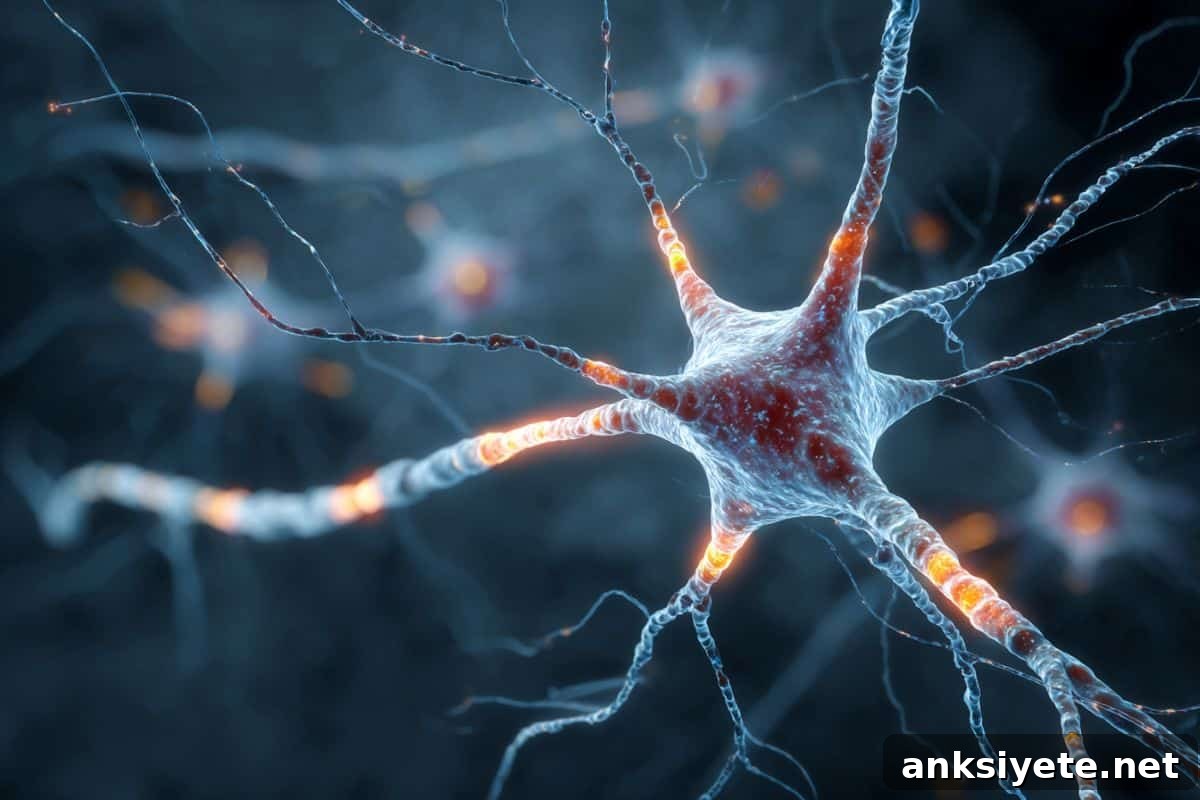
Five Neuron Subtypes Linked to ALS and FTD Risk
Summary: Researchers have inched closer to explaining why some neurons die while others remain intact in neurodegenerative diseases. By profiling the molecular…
Topic
Topics
Summary: Researchers have inched closer to explaining why some neurons die while others remain intact in neurodegenerative diseases. By profiling the molecular…
Summary: The role of Vitamin D in COVID-19 has been clarified by the VIVID Trial, one of the largest randomized studies to…
Summary: Relapse is the most difficult obstacle in treating addiction, often triggered by small cues long after drug use has stopped. New…
Summary: AI-powered writing tools do more than speed up typing—they can subtly shift how people think. A large-scale study from Cornell University…
Summary: Fatigue is one of the most disabling and hardest-to-treat symptoms of major depressive disorder (MDD). New research points to a biological…
Summary: Memory loss is usually thought to begin and end in the brain, but new research points to a surprising origin: the…
Summary: Aging is the main risk factor for neurodegenerative diseases such as Alzheimer’s and Parkinson’s, but the precise molecular changes that accumulate…
Summary: Researchers at the University of Oxford have produced the first high-resolution molecular atlas of the adult Drosophila melanogaster brain. By integrating…
Summary: The menopause transition brings hormonal shifts that can challenge cognition, but new research shows psychosocial factors matter too. A study of…
Summary: Researchers have developed a promising, non-invasive retinal imaging method that uses polarized light and artificial intelligence to distinguish between Alzheimer’s disease…
Readers are exploring