
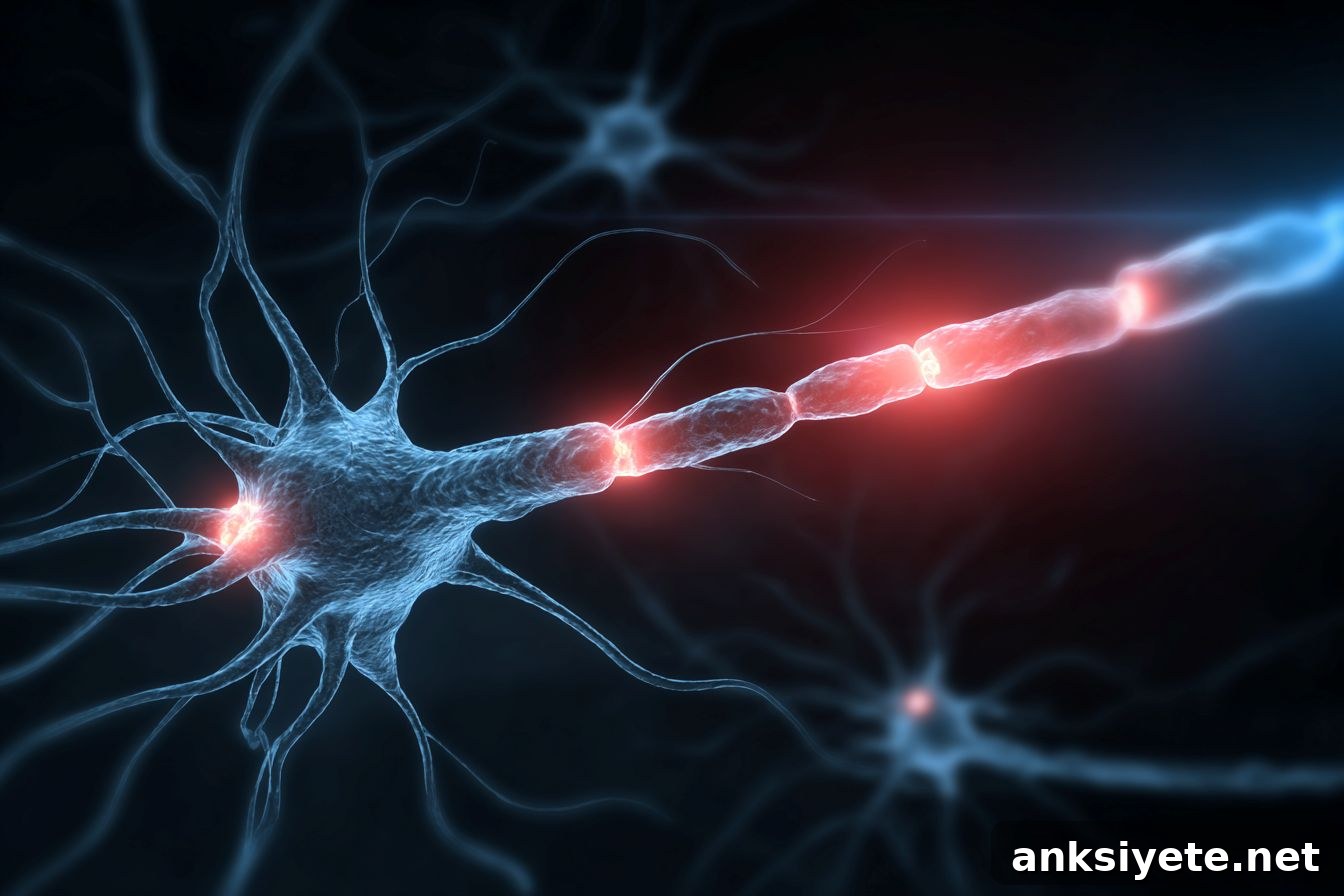
Summary: Relapse is the most difficult obstacle in treating addiction, often triggered by small cues long after drug use has stopped. New research shows relapse arises not from a generalized weakness of will or a global loss of prefrontal cortex function, but from a specific imbalance in neural circuitry—an issue centered on a distinct set of inhibitory neurons.
A multinational team led by researchers at KAIST and UC San Diego identified parvalbumin-positive (PV) inhibitory neurons in the prefrontal cortex as critical “gatekeepers” that control communication between the prefrontal cortex (PFC) and the brain’s reward center, the ventral tegmental area (VTA). In mice, artificially altering PV cell activity changed cocaine-seeking behavior, pointing to a precise circuit-level target for future addiction treatments.
Key Facts
- The “Brake Gate”: PV inhibitory neurons make up roughly 60–70% of inhibitory cells in the PFC and act as a regulatory gate that controls excitatory signals directed to the reward system. When this gate malfunctions, drug-seeking impulses can dominate.
- Circuit-Level Imbalance: Relapse is driven by disrupted communication between the PFC and VTA rather than by a global decline in brain function.
- Targeted Manipulation: Suppressing PV cell activity reduced cocaine-seeking behavior in mice, while activating these cells sustained drug-seeking even after withdrawal training.
- Addiction Specificity: PV cells selectively influenced drug-seeking behavior and did not affect pursuit of a general reward such as sugar water; other inhibitory neurons (for example, somatostatin-expressing cells) did not show the same effect.
Source: KAIST
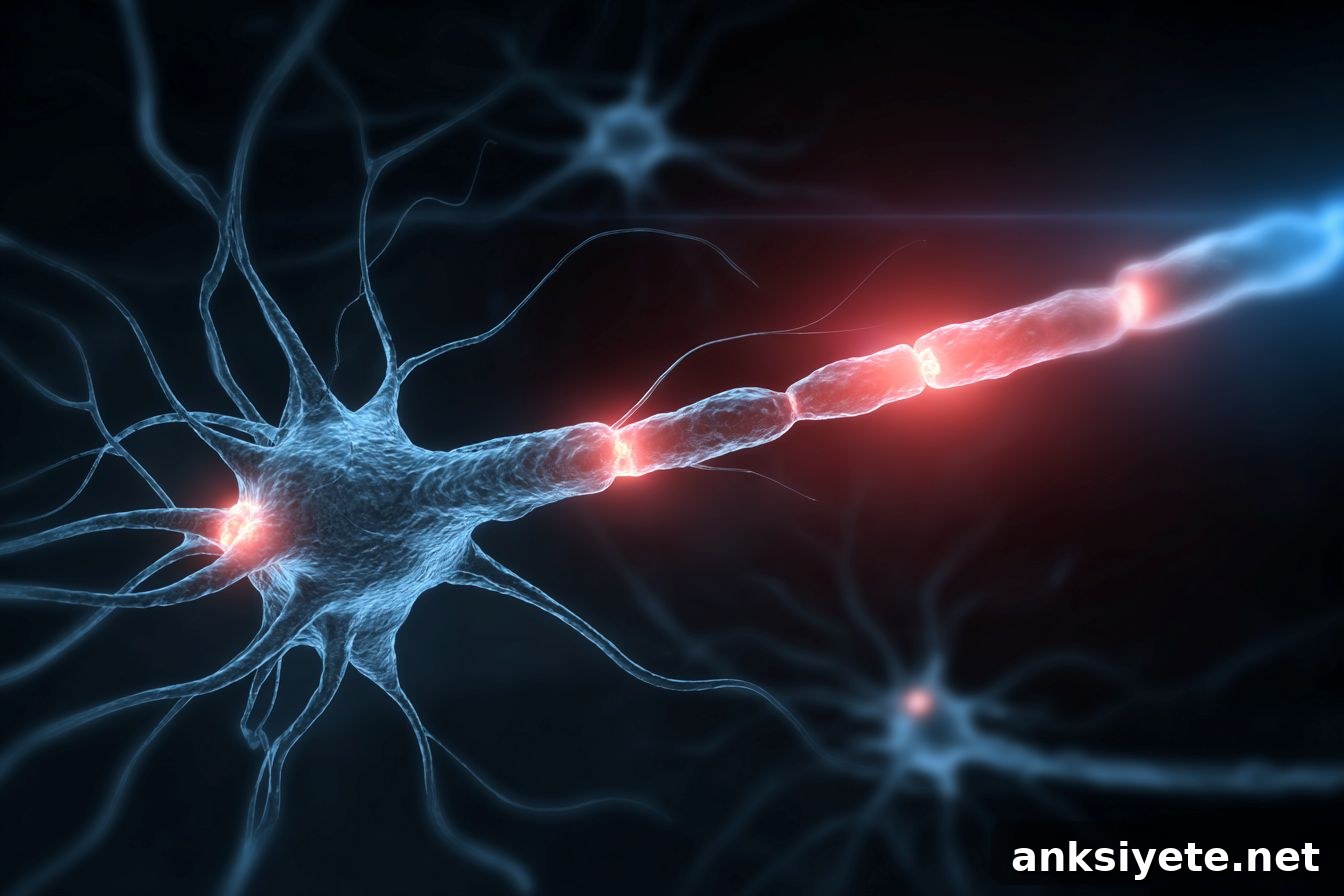
On March 9, KAIST announced findings from a collaborative team led by Prof. Se-Bum Paik (Department of Brain and Cognitive Sciences) and Prof. Byung Kook Lim (UC San Diego). Their experiments reveal how specific inhibitory neurons in the PFC regulate cocaine-seeking behavior by gating signals sent to reward-related brain regions.
The team focused on PV-positive interneurons, which control neural balance by suppressing other neurons’ activity. These PV cells function as a “brake gate” that modulates excitatory output from the PFC. Using a mouse model, researchers tracked inhibitory neuron activation during cocaine administration and during extinction training designed to reduce drug-seeking.
Results showed PV neurons were strongly active when mice attempted to seek cocaine. After extinction training, PV activity decreased, indicating their activity patterns are plastic and can be adjusted through behavioral interventions. Crucially, artificially lowering PV activity reduced cocaine-seeking, while activating PV neurons preserved drug-seeking despite extinction efforts.
The study mapped the pathway through which PV neurons exert control: PFC outputs project to the mesolimbic reward circuit, including the VTA. PV cells act as a regulatory switch along this PFC-to-VTA axis, modulating dopamine-related signaling that underlies the decision to pursue or resist drugs. The effect was specific to drug-related motivation and did not generalize to ordinary rewards, underscoring the circuit’s role in substance-specific relapse.
Overall, the findings indicate that relapse emerges from a circuit-level failure—an imbalance in a defined neuronal gate—rather than from a generalized weakening of the prefrontal cortex. Identifying PV neurons as gatekeepers offers a focused target for developing precision treatments that restore balance to the PFC–reward circuit without broadly suppressing normal reward-seeking behavior.
Prof. Se-Bum Paik commented that the research reframes addiction as a hardware-level problem of specific neuronal circuits and highlights PV cells as promising targets for interventions that could selectively rebalance the affected pathways.
The study’s first author is Dr. Minju Jeong (UCSD), with Prof. Byung Kook Lim and Prof. Se-Bum Paik as co-corresponding authors. The research was published online in the journal Neuron on February 26. Funding support came from the Basic Research Program in Science and Engineering of the National Research Foundation of Korea.
Key Questions Answered:
A: No. This research demonstrates a circuit-level issue: PV neurons can function like a faulty gate. When these neurons are abnormally active, they keep the addiction circuit open, making resisting cravings far more difficult.
A: Chronic drug exposure remodels specific circuits so that PV-regulated pathways remain sensitized. Even after abstinence, these pathways can respond strongly to minor triggers, causing dopamine-driven drug-seeking responses.
A: The work points toward precision-targeted treatments. By identifying PV neurons and the PFC-to-VTA pathway as central regulators of relapse, future therapies might noninvasively modulate this circuit to restore balance without suppressing normal reward processing.
Editorial Notes:
- This article was edited by a Neuroscience News editor.
- The journal paper was reviewed in full and additional context was added by staff.
About this addiction and neuroscience research news
Author: JEEHYUN LEE
Source: KAIST
Contact: JEEHYUN LEE – KAIST
Image: The image is credited to Neuroscience News
Original Research: Open access. “Distinct Interneuronal Dynamics Selectively Gate Target-Specific Cortical Projections in Drug Seeking” by Minju Jeong et al., published in Neuron. DOI: 10.1016/j.neuron.2026.01.002
Abstract
Distinct Interneuronal Dynamics Selectively Gate Target-Specific Cortical Projections in Drug Seeking
Persistent drug craving after long periods of abstinence poses a major challenge in treating substance use disorders. The ventromedial prefrontal cortex (vmPFC) plays a central role in impulse control and decision-making, making its downstream circuits critical targets for reducing drug craving. This study uncovers how vmPFC sub-circuits—defined by interneuron subtypes and projection targets—differentially modulate mesolimbic pathways to drive drug-seeking behavior. Distinct interneuron classes show unique activity dynamics and selectively influence projection-specific cortical outputs. Parvalbumin-positive interneurons in particular undergo target-specific synaptic remodeling with pyramidal neurons that project to different downstream regions; this remodeling is essential for modulating mesolimbic circuits and for persistent cocaine seeking after abstinence. These results illuminate vmPFC microcircuit mechanisms that underlie substance use disorders and point to circuit-specific strategies for intervention.