Studies in mice reveal how mood-altering drugs may influence brain stem cells
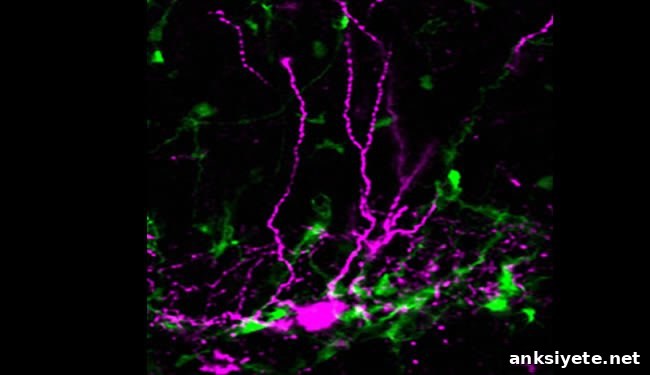
Researchers at Johns Hopkins have identified a mechanism by which neural stem cells in the hippocampus—the brain region tied to learning, memory and mood regulation—decide whether to remain dormant or to generate new cells. Using mouse tissue, the team found that these adult neural stem cells do not communicate through synapses like neurons do; instead, they detect ambient chemical signals released by nearby neurons and use that information to determine when to act.
Understanding this form of chemical signaling offers insight into how the brain adapts to its environment and helps explain why certain antidepressant and anxiolytic drugs can alter the number of new brain cells in animal models. The findings were published in Nature.
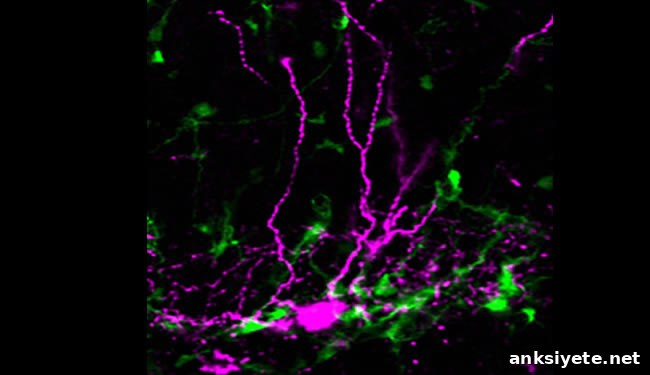
Neurons communicate by releasing neurotransmitters at synapses, which change the electrical state of recipient cells and either encourage or suppress further signaling. The Johns Hopkins team explored whether hippocampal stem cells can detect these neurotransmitters. By placing electrodes on stem cells in mouse brain tissue and applying specific neurotransmitters, the researchers observed that gamma-aminobutyric acid (GABA), a principal inhibitory neurotransmitter, changed the electrical charge of the stem cells—evidence that these cells respond to GABAergic signaling.
To test the functional consequence of that signaling, the scientists used genetic techniques to remove the GABA receptor selectively from neural stem cells. Over five days of observation, stem cells lacking the GABA receptor proliferated and produced glial progeny, while stem cells with intact GABA receptors remained largely quiescent. This result indicates that GABA signaling helps maintain stem cells in a dormant state.
The researchers further examined the effects of pharmacological activation of GABA receptors. Mice treated with diazepam (Valium), a drug known to enhance GABA receptor activity, showed an increased proportion of dormant stem cells compared with untreated controls when examined after two and seven days of treatment. The data support the idea that GABAergic drugs can push neural stem cells into quiescence.
Because the hippocampal stem cell niche is surrounded by many different neuron types, the team also sought to identify which neuronal subtypes provide the GABA signal. Using optogenetics—introducing light-sensitive proteins that cause neurons to fire when illuminated—the researchers activated distinct neuron classes while recording stem cell electrical responses. They found that parvalbumin-expressing interneurons, a specific inhibitory neuron subtype, transmit signals that change the membrane potential of nearby neural stem cells, implicating these interneurons as key regulators of stem cell state.
To relate this mechanism to behavioral conditions, the group tested the effects of social isolation, a form of stress, on stem cell behavior. Normal mice subjected to a week of social isolation exhibited increases in stem cell activation and glial cell production, whereas mice engineered to lack GABA receptors in their neural stem cells did not show these stress-induced changes. These results suggest that GABAergic input conveys information about an animal’s environment to stem cells and helps determine whether the stem cell pool remains in reserve or contributes to new cell formation.
Collectively, the experiments demonstrate that endogenous GABA signaling, particularly from parvalbumin interneurons, acts as an inhibitory cue that keeps adult hippocampal neural stem cells quiescent. This regulatory pathway links neuronal activity and environmental experience to adult neurogenesis and offers a plausible mechanism by which mood-altering drugs that modulate GABAergic transmission can affect neural stem cell behavior.
Notes about this neural stem cell and neurogenesis research
Authors on the paper include Juan Song, Chun Zhong, Michael Bonaguidi, Gerald Sun, Derek Hsu, Kimberly Christian and Guo-li Ming of Johns Hopkins University; Yan Gu and Shaoyu Ge of State University of New York at Stony Brook; Konstantinos Meletis of the Karolinska Institutet; Z. Josh Huang and Grigori Enikolopov of Cold Spring Harbor Laboratory; Karl Deisseroth of Stanford University; and Bernhard Luscher of Pennsylvania State University.
This work was supported by grants from the National Institute of Neurological Disorders and Stroke, the National Institute of Child Health and Human Development, the National Institute of Mental Health, the National Institute on Aging, the National Alliance for Research on Schizophrenia and Depression, the Adelson Medical Research Foundation, New York State Stem Cell Science, the Ellison Medical Foundation, the Life Sciences Research Foundation and the Maryland Stem Cell Research Fund.
Contacts: Vanessa McMains & Audrey Huang – Johns Hopkins Medicine
Source: Johns Hopkins Medicine press release
Image Source: Image adapted from Johns Hopkins Medicine press release image credited to Gerry Sun
Original research: Abstract titled “Neuronal circuitry mechanism regulating adult quiescent neural stem-cell fate decision,” published in Nature, July 29, 2012 (Song et al.).