
Scientists at Imperial College London identify two gene networks linked to human intelligence
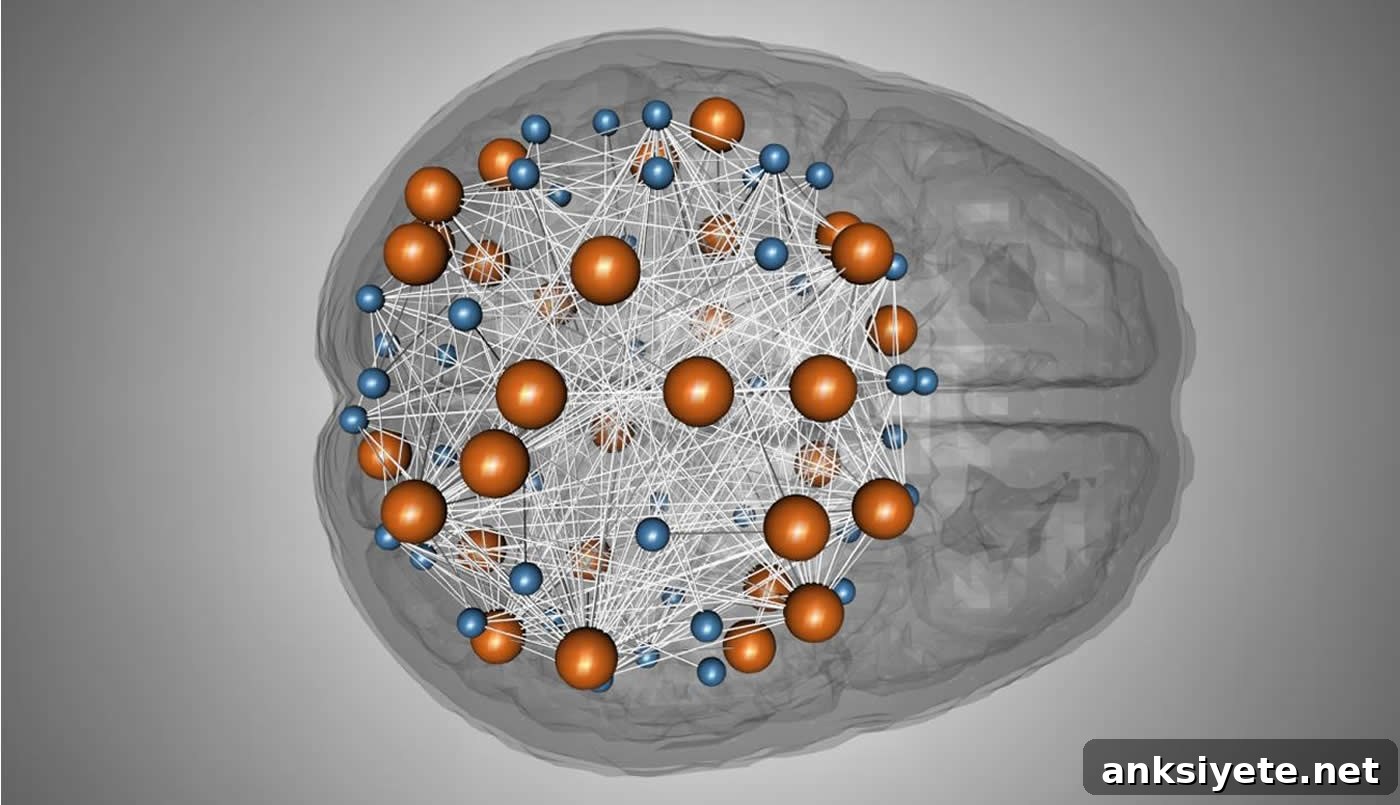
Researchers at Imperial College London have, for the first time, identified two clusters of genes—referred to as M1 and M3—that are linked to human cognitive ability. These gene networks appear to influence a range of cognitive functions, including memory, attention, processing speed and reasoning. The findings come from a systems-genetics approach that integrates gene expression in the human brain with genetic data from healthy individuals and patients with neurodevelopmental disorders.
Importantly, the team found evidence that both M1 and M3 are likely regulated by higher-order genetic “master switches.” These master regulators could coordinate the activity of hundreds of genes within each network. Although this discovery is at an early stage, the researchers are now aiming to pinpoint those regulatory switches and to explore whether, in principle, it would be feasible to modify their activity. Any notion of enhancing cognition by manipulating these networks remains theoretical and will require extensive further study.
Dr. Michael Johnson, lead author of the study from the Department of Medicine at Imperial College London, explained: “Genetics plays a substantial role in intelligence, but until now we lacked a clear picture of which genes matter and how they interact. This research highlights specific genes and shows how they form coherent networks in the human brain. What makes this exciting is that the genes we identified appear to share common regulatory control, which raises the possibility of modulating an entire set of genes relevant to cognitive function. That idea is speculative at this point—we have only taken the first steps.”
The study, published in the journal Nature Neuroscience, examined human brain tissue collected from patients who underwent neurosurgery for epilepsy. Investigators measured thousands of genes expressed in the brain, then integrated those expression patterns with genetic information from healthy volunteers who completed IQ tests and from patients diagnosed with conditions such as autism spectrum disorder and intellectual disability. Through computational network analysis, the team identified gene modules whose variation is associated with healthy cognitive function.
Remarkably, some genes within the M1 and M3 networks that are associated with better performance in cognitive tests are the same genes that, when mutated, are linked to impaired cognition and epilepsy. This overlap suggests a convergent relationship between genes involved in normal cognitive variation and those implicated in neurodevelopmental disease.
Dr. Johnson added: “Complex traits such as intelligence are governed by large groups of genes working together—think of a team where players in different positions contribute to overall success. Using computational analysis, we mapped the genes in the human brain that act together to support abilities such as forming new memories and making reasoned decisions under complex conditions. We also found overlap between these cognitive gene networks and genes that cause severe childhood-onset epilepsy or intellectual disability when mutated.”
The researchers emphasize that systems-level genomic analyses can reveal new pathways relevant to brain function in both health and disease. By identifying networks like M1 and M3, scientists gain a clearer understanding of how coordinated gene activity supports cognition and how disruption of these networks contributes to neurodevelopmental disorders. In the long term, these insights may inform new strategies for treating conditions such as epilepsy and for addressing the cognitive impairments often associated with neurodevelopmental disease. However, translating network discoveries into therapies will require many additional studies, careful validation and rigorous safety assessment.
Source: Kate Wighton – Imperial College London
Image source: Duke-NUS Medical School
Original research: Abstract for “Systems genetics identifies a convergent gene network for cognition and neurodevelopmental disease” published in Nature Neuroscience. The study reports that two conserved gene-regulatory networks, M1 and M3, show replicable enrichment for common genetic variants linked to healthy cognitive abilities. Using exome sequencing from 6,871 parent–child trios, the authors found that M3 genes are enriched for mutations observed in neurodevelopmental disease, including intellectual disability and epileptic encephalopathy. M3 consists of approximately 150 genes whose expression is tightly regulated during development but which are collectively poorly annotated for known pathways. These results illustrate how a systems genetics approach can reveal convergent gene networks that influence both cognition and neurodevelopmental disorders.
Abstract (summary)
Genetic determinants of cognition have been poorly characterized, and their relationship to genes that confer risk for neurodevelopmental disease remained unclear. This study used genome-wide gene-expression data to infer gene-regulatory networks conserved across species and brain regions. Two networks, M1 and M3, were consistently enriched for common genetic variants associated with human cognitive abilities, including memory. Exome sequence analysis of 6,871 trios revealed that M3 genes are enriched for mutations found in patients with neurodevelopmental disorders, particularly intellectual disability and epileptic encephalopathy. The findings support a convergent gene-regulatory network that links normal cognitive variation and neurodevelopmental disease.