Middle-aged adults who suddenly need reading glasses, patients with traumatic brain injuries, and people with visual disorders such as “lazy eye” may share a common visual challenge: visual crowding. Visual crowding is the difficulty or inability to recognize individual items when they are surrounded by other objects. For readers, this can render single letters within words illegible, making fluent reading impossible. Crowding can also disrupt basic cognitive tasks such as facial recognition. Until now, most scientific models have attributed crowding to problems in peripheral vision.
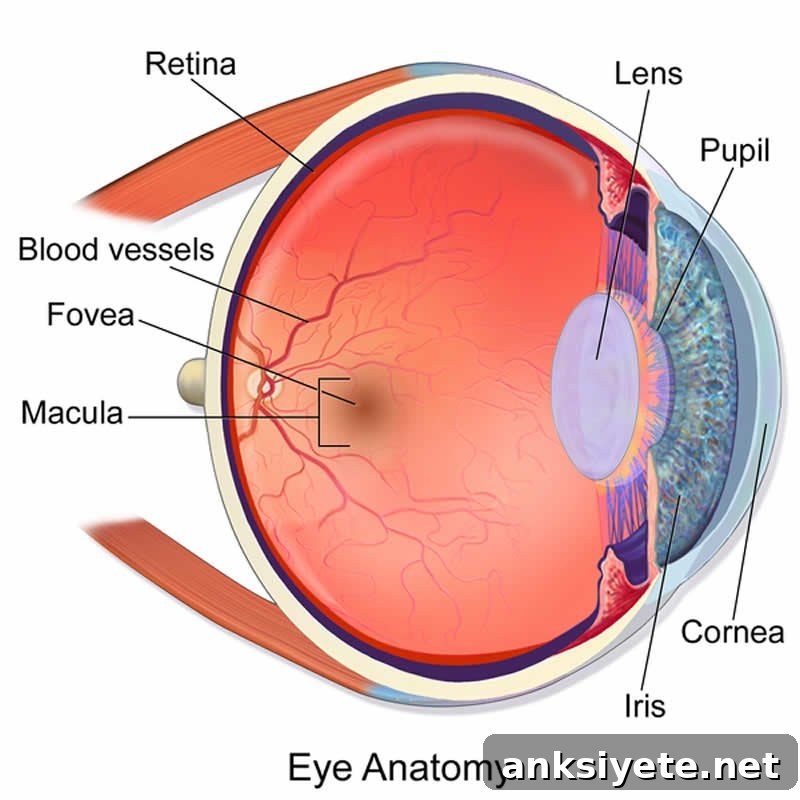
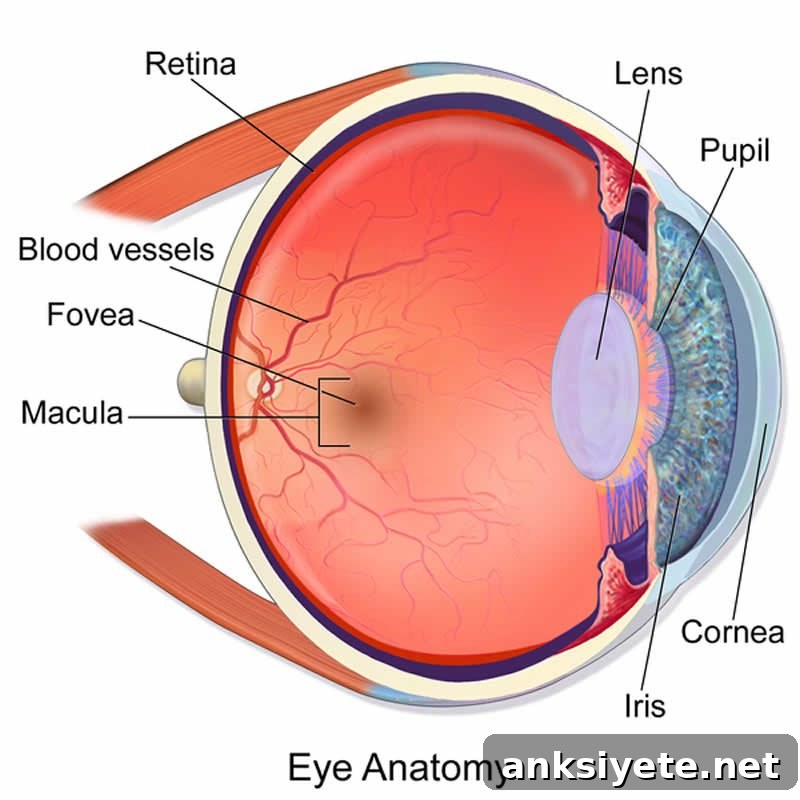
Researchers at Tel Aviv University’s Goldschleger Eye Research Institute, led by Prof. Uri Polat together with Maria Lev and Dr. Oren Yehezkel, present evidence that reframes part of that understanding. Their work links crowding that occurs in the fovea — the central, high-acuity region of the retina responsible for sharp vision — to the brain’s processing speed. Published in the journal Scientific Reports, these findings suggest that foveal crowding and slowed neural processing are related, and that targeting this relationship can reduce crowding and improve visual function.
“Most theories emphasize that visual crowding exists only in the peripheral visual field and not in the fovea,” said Prof. Polat. “Our results indicate that foveal crowding is real and that it is linked to how quickly the brain integrates visual information. Recognizing that connection helps form a more unified model of visual perception.”
A trained eye
Vision is not static; it is a dynamic process in which the eyes and brain continually exchange information. The ability to read moving text—such as news tickers or road signs seen while driving—depends not only on the eyes’ optics but also on how quickly the brain can process the incoming visual data. People with slower processing speeds, which can arise from developmental factors, aging, or neurological injury, may be unable to extract clear information from crowded visual scenes even when their basic visual acuity appears normal.
The Tel Aviv team applied an approach focused on retraining the brain and the foveal visual system. Their training exercises emphasized speed and foveal attention, teaching subjects to process and separate crowded visual elements more effectively. According to the researchers, these targeted exercises reduced foveal crowding and improved reading and visual performance.
Prof. Polat notes that a previous training program they developed led some adults to discard their reading glasses entirely by improving perceptual processing through systematic practice. In the present study, participants who underwent foveal-focused training showed measurable gains in processing speed and visual capability, suggesting that perceptual training can produce functional improvements even in adulthood.
Maria Lev, who conducted this work as part of her doctoral thesis, described a compelling case from the study: a young adult who had struggled academically and had been unable to obtain a driver’s license due to severe foveal crowding. After completing the training program that emphasized central (foveal) processing rather than peripheral strategies, the subject regained practical reading ability and visual function. As Lev reported, the participant later became eligible for a driver’s license and went on to complete a master’s degree.
The implications extend beyond academic interest. Foveal crowding may contribute to reading difficulties in a range of conditions—presbyopia, acquired brain injury, amblyopia (“lazy eye”), and other visual disorders—and targeting processing speed and central visual integration could offer therapeutic benefit. While more research is needed to define optimal protocols, duration, and the long-term durability of gains, these findings support the potential for non-invasive, perceptual training to reduce crowding and improve everyday visual tasks.
Notes about this neuroscience and vision research
Prof. Polat and his colleagues continue to investigate how visual integration and foveal crowding develop across clinical populations and age groups, and how specific training regimens can be optimized for different impairments. Their published study in Scientific Reports outlines the behavioral testing and training methods used and documents the association between reduced foveal crowding and faster visual processing.
Contact: George Hunka – American Friends of Tel Aviv University
Source: American Friends of Tel Aviv University press release
Image Source: Image credited to BruceBlaus (Creative Commons Attribution-ShareAlike).
Original Research: “Uncovering foveal crowding?” by Maria Lev, Oren Yehezkel, and Uri Polat, published in Scientific Reports (February 2014).