
A Medicare claims analysis finds that percutaneous stereotaxic rhizotomy (PSR) is the most cost-effective surgical treatment for trigeminal neuralgia, despite being the least frequently used option, according to a study reported in the September issue of Neurosurgery, the journal of the Congress of Neurological Surgeons. The journal is published by Lippincott Williams & Wilkins, part of Wolters Kluwer Health.
This study, led by Dr. Siviero Agazzi and colleagues from the University of South Florida, Tampa, compared the use, outcomes and costs of three common surgical approaches to trigeminal neuralgia in a Medicare population from 2011. The analysis shows large differences in cost and in cost-effectiveness between procedures that aim to relieve the severe facial pain caused by trigeminal nerve compression.
Surgical Options for Trigeminal Neuralgia
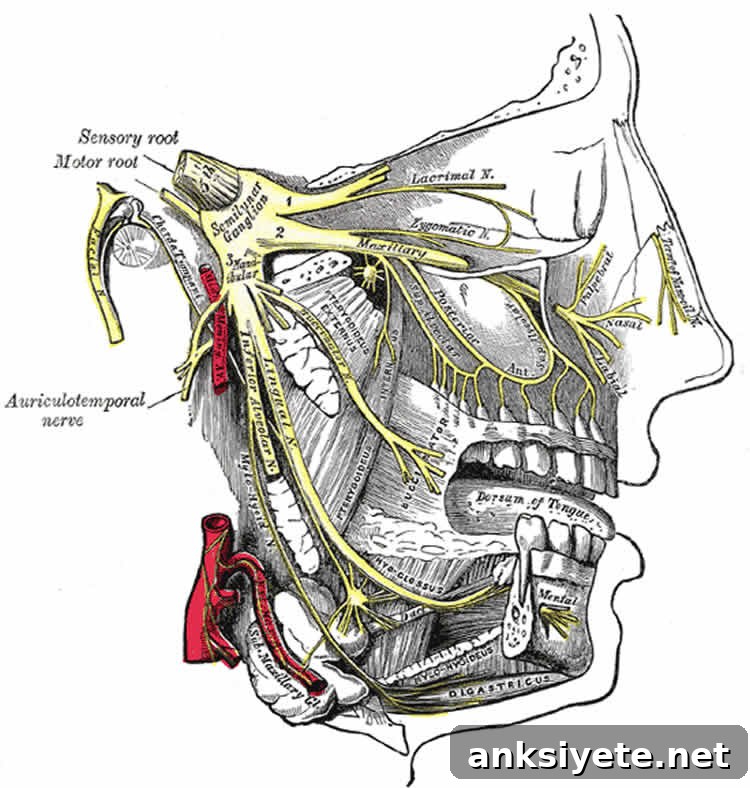
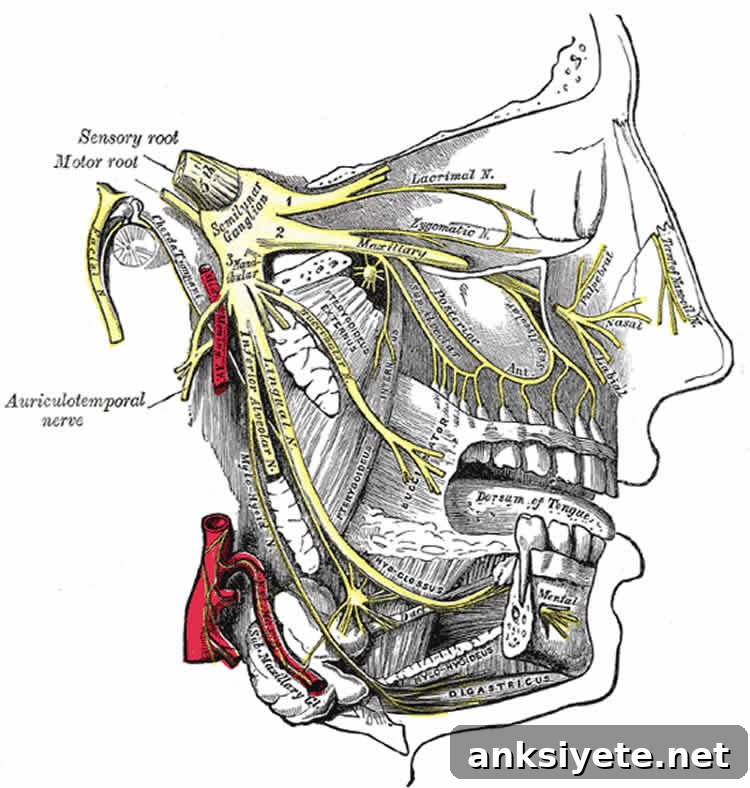
Trigeminal neuralgia, sometimes called “tic douloureux,” is a chronic facial pain disorder that most often affects older adults. The condition usually produces sudden, severe, electric shock–like pains in one side of the face. In many patients, pain is believed to result from compression of the trigeminal nerve by nearby blood vessels.
When medications fail to control pain, several surgical options are typically considered. Microvascular decompression (MVD) is an open neurosurgical procedure in which a pad or spacer is placed to relieve offending vascular compression of the trigeminal nerve. Stereotactic radiosurgery (SRS), commonly referred to as “gamma knife” treatment, is a noninvasive option that uses focused radiation to treat the nerve. Percutaneous stereotaxic rhizotomy (PSR) is a less frequently performed percutaneous procedure in which targeted nerve fibers are selectively disrupted using a needle introduced through the cheek and into the skull to modify pain signals.
The researchers reviewed Medicare claims for 2011 for patients with trigeminal neuralgia to assess how often each procedure was used and to estimate associated costs and outcomes. Among 1,582 Medicare beneficiaries diagnosed with trigeminal neuralgia in that year, 94 patients—about 6 percent—underwent a surgical intervention for their pain.
Of those who had surgery, 51 percent received microvascular decompression, 42 percent underwent stereotactic radiosurgery, and the remaining 7 percent underwent percutaneous stereotaxic rhizotomy. Despite being the least common choice, PSR emerged as the least costly option in the claims analysis.
Average weighted costs for the index treatment episodes differed markedly: PSR had an average cost of roughly $3,900, whereas microvascular decompression and stereotactic radiosurgery had average costs near $40,000 and $38,000, respectively.
Large Differences in Cost-Effectiveness
To compare value across procedures, the authors incorporated published effectiveness data and estimated quality-adjusted life-years (QALYs) over a ten-year horizon. QALYs reflect combined gains in life quality and duration, here focusing on years free of pain and without the need for ongoing pain medications. Over ten years, estimated average QALYs were 8.2 for MVD, 4.9 for SRS, and 6.5 for PSR.
When costs were divided by QALYs gained, PSR proved far more cost-effective. Cost per QALY was approximately $600 for PSR, compared with about $4,900 for MVD and $7,800 for SRS. On those estimates, PSR was roughly eight times more cost-effective than MVD and about 13 times more cost-effective than SRS.
The authors emphasize that their findings come from a retrospective review of Medicare billing data and are therefore preliminary. The surgical sample was small: only 94 treated patients overall and only seven patients identified as having undergone PSR. The claims data provide limited clinical detail about pain relief durability, functional outcomes, and complications such as facial numbness.
Within these limitations, the analysis suggests that PSR may be an underused but highly cost-effective surgical option for selected patients with trigeminal neuralgia. The procedure appears to offer meaningful pain relief at a substantially lower cost than the more commonly selected interventions. The authors call for additional, prospective research and larger outcome studies to confirm these cost-effectiveness findings and to better define the trade-offs among efficacy, side effects, and long-term results for each surgical approach.
This article was submitted directly to NeuroscienceNews.com by Ellen Robinson at Wolters Kluwer Health. We thank Ellen Robinson for this submission.
Contact: Connie Hughes – Wolters Kluwer Health
Source: Wolters Kluwer Health press release
Image Source: The image is credited to Gray’s Anatomy and is in the public domain.
Original Research: Open-access research article titled “Surgical Management of Trigeminal Neuralgia: Use and Cost-Effectiveness From an Analysis of the Medicare Claims Database” by Sivakanthan Sananthan BS; Jamie J. Van Gompel MD; Puya Alikhani MD; Harry van Loveren MD; Ren Chen PhD, MPH; and Siviero Agazzi MD, MBA in Neurosurgery. Published online August 2014; doi:10.1227/NEU.0000000000000430