Is Broadband Internet Causing Your Sleep Deprivation?

featured 50689

Summary: A recent study finds that people with DSL broadband internet sleep, on average, about 25 minutes less than those without DSL. The research also shows broadband users are significantly less likely to obtain the recommended 7–9 hours of sleep each night and report lower sleep satisfaction. Source: Bocconi University. About 200,000 working days are … Read more

Combined Alcohol and Cocaine Use Linked to Higher Suicide Risk

featured 29959

New research on hundreds of emergency department patients shows a complex relationship between substance misuse and suicide risk, with combined alcohol and cocaine use standing out as a major warning sign. Clinical observations and popular culture alike long have suggested a link between substance misuse and suicidal behavior. A detailed new analysis of 874 patients … Read more

Study: ChatGPT Matches Radiologists in Brain Tumor Diagnosis

featured 104955

Summary: Researchers evaluated the diagnostic performance of GPT-4–based ChatGPT against practicing radiologists using 150 preoperative brain tumor MRI reports. ChatGPT reached 73% accuracy for final diagnoses, narrowly surpassing neuroradiologists (72% average) and general radiologists (68% average). The model performed best (80% accuracy) when interpreting reports written by neuroradiologists, indicating its promise as a diagnostic support … Read more

How to Boost AI Answer Accuracy and Confidence

featured 105536

Summary: Researchers from the Japan Advanced Institute of Science and Technology have introduced Answer-prefix Generation (ANSPRE), a prompting technique designed to improve large language models (LLMs) for open-domain question answering (ODQA). ANSPRE helps models produce concise answer phrases and delivers better-calibrated confidence scores, addressing critical needs for reliable automated answers in high-stakes domains such as … Read more

How Mother-Baby Bonding Shapes Infant Development

featured 80801

Summary: A mother’s positive perception of her emotional bond with her infant is a reliable indicator of healthier social, emotional, and behavioral development in the child. Source: Deakin University Deakin University researchers have identified that maternal bonding, assessed before and after birth, helps predict key aspects of infant development. The emotional bond between a mother … Read more

Sharing My Data to Unite Neuroscientists Against Brain Disease

featured 57783

Summary: Open sharing of experimental data, standardized protocols, and clear methods will enable researchers to collaborate more effectively and accelerate progress in understanding and treating neurodegenerative diseases. Source: The Conversation Ever since I first watched Jurassic Park as a child, I’ve been captivated by the biology of cells and DNA and the imaginative possibility of … Read more

How the Gut Microbiome Regulates Intestinal Immunity

featured 53009

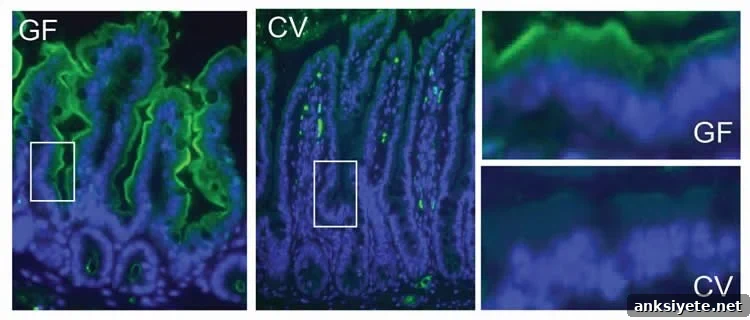
Summary: A new Brown University study shows the gut microbiome helps regulate the intestinal immune system. Vitamin A metabolism is central to this interaction, enabling a peaceful coexistence between host and microbes. Source: Brown University. Gut microbes actively regulate intestinal immunity Scientists have long recognized that the trillions of bacteria living in the intestines — … Read more

Deficiency of Brain Enzyme Alters Fear Responses in Mice

featured 10727

A moderate amount of fear is adaptive—it prevents risky choices and helps us avoid repeating mistakes. However, new research from neuroscientists and molecular biologists at USC suggests that absence of a specific brain protein may cause pathological, persistent fear that continues even when there is no real danger. Published the week of July 15 in … Read more

How the Stem Cell Environment Shapes Brain Development

featured 13202

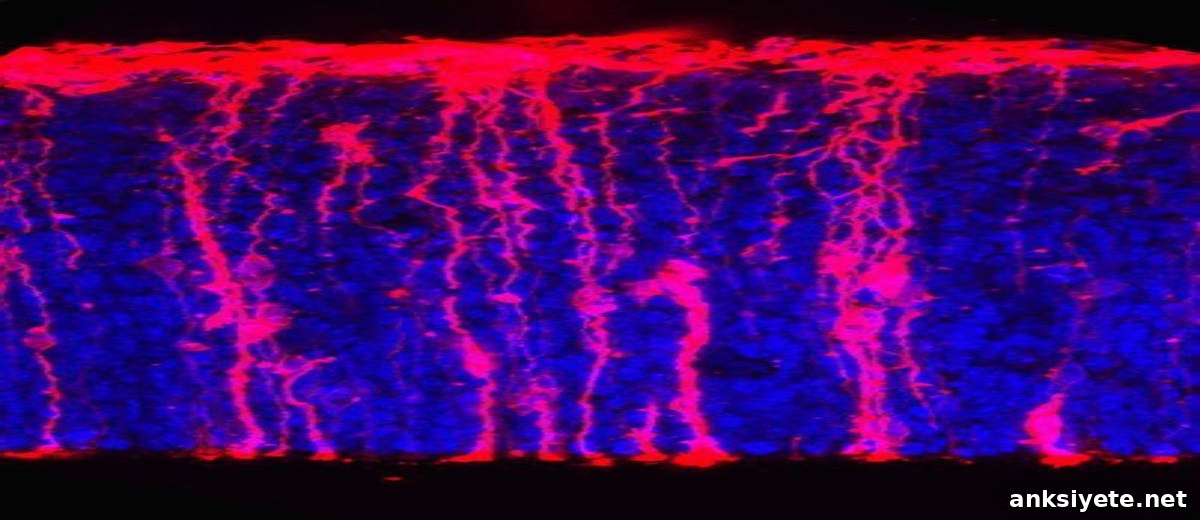
Max Planck researchers explain why iodine deficiency during pregnancy may have disastrous consequences. The cerebral cortex—the region of the brain responsible for human language, abstract thought and imagination—is much larger in higher mammals like humans than in many other species. Researchers at the Max Planck Institute of Molecular Cell Biology and Genetics in Dresden have … Read more

Gut Bacteria and Immune Cells Could Drive Autism

featured 112339

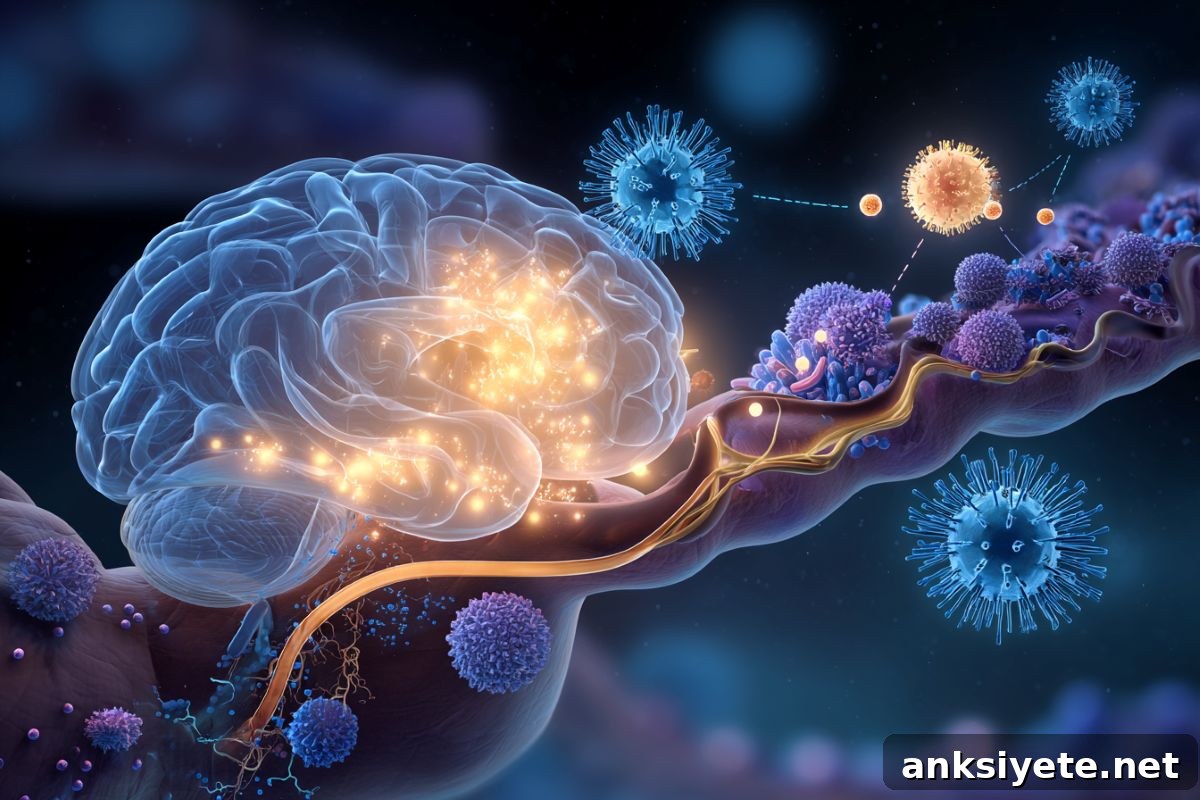
Summary: Researchers have identified a decisive link between the gut microbiota, the immune system, and autism spectrum disorder (ASD). In a germ-free genetic mouse model, removing gut microbes reduced autism-like behaviors and lowered markers of brain inflammation, indicating that microbes can play a dominant role in driving symptoms. The team also demonstrated that gut microbes … Read more