
Summary: A new Brown University study shows the gut microbiome helps regulate the intestinal immune system. Vitamin A metabolism is central to this interaction, enabling a peaceful coexistence between host and microbes.
Source: Brown University.
Gut microbes actively regulate intestinal immunity
Scientists have long recognized that the trillions of bacteria living in the intestines — the gut microbiome — perform essential functions for their hosts, including breaking down dietary fiber and producing vitamins such as K and B7. New research from Brown University adds a significant role to that list: regulating the host immune response to allow beneficial microbes to coexist without being targeted by excessive inflammation.
The key factor uncovered by the research is vitamin A metabolism. Members of the microbiome moderate levels of active vitamin A, retinoic acid, within the intestinal environment. By doing so they blunt certain immune signals that might otherwise provoke an overactive antimicrobial response, protecting both the microbial community and the host.
Shipra Vaishnava, assistant professor of molecular microbiology and immunology at Brown, notes that understanding this interaction could be critical for developing therapies for autoimmune and inflammatory conditions such as Crohn’s disease and other inflammatory bowel diseases, as well as for improving responses to vitamin A supplementation where deficiency is common.
Microbiomes of mice and men
The gut microbiome is an ecosystem of roughly 100 trillion bacteria adapted to the unique conditions of the intestines. Most of these species are beneficial, and a diverse, balanced microbiome helps resist invasion by pathogenic organisms. In both humans and mice, the dominant bacterial phyla include Firmicutes and Bacteroidetes.
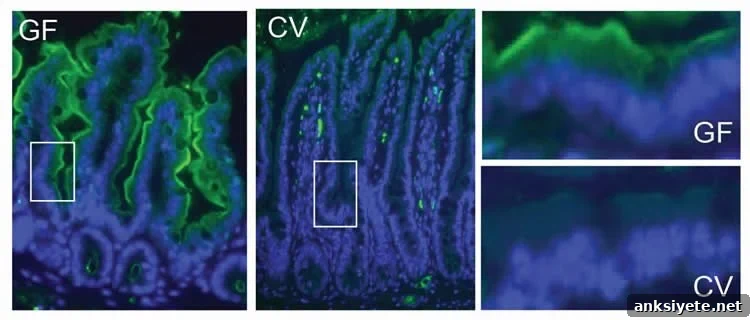
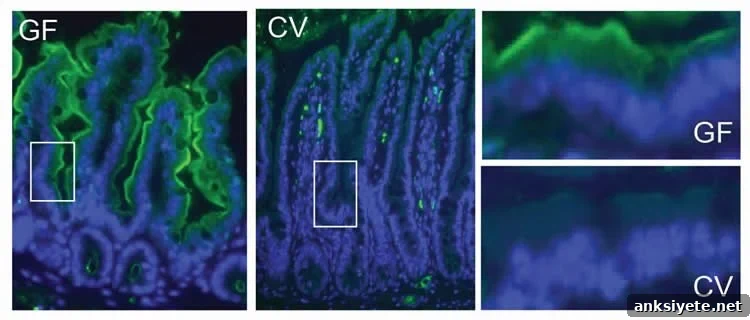
Vaishnava’s team discovered that bacteria within the Firmicutes phylum, particularly the class Clostridia, reduce the expression of a host enzyme called retinol dehydrogenase 7 (Rdh7) in intestinal epithelial cells. Rdh7 converts dietary vitamin A (retinol) into its active metabolite retinoic acid (RA). Lower Rdh7 expression leads to reduced RA levels in the gut, which in turn modulates immune signaling.
In germ-free mice that lack gut bacteria, Rdh7 expression and retinoic acid levels are higher. Mice genetically engineered to lack Rdh7 in their intestinal cells show reduced RA signaling in immune cells and fewer IL-22–producing immune cells in the gut. IL-22 is an important cytokine that coordinates antimicrobial defenses. Other immune parameters, such as immunoglobulin A (IgA) levels and certain T cell populations, remained unchanged, suggesting Rdh7 primarily affects the antimicrobial arm of intestinal immunity.
The researchers also observed that Clostridia promote increased vitamin A storage in the liver, further shaping the host’s vitamin A distribution. While the precise molecular mechanism by which Clostridia suppress Rdh7 is not yet defined, these bacteria are known to produce short-chain fatty acids that can alter host gene expression. Ongoing work will test which bacterial metabolites regulate Rdh7 and how persistent Rdh7 expression affects microbial composition and intestinal inflammation.
Implications for human health and vitamin A deficiency
These findings have direct relevance for human health. Clinical data link inflammatory bowel conditions to disrupted interactions between a host and its microbiome. The new work suggests part of that disruption may involve altered vitamin A metabolism at the intestinal level, which can shift immune responses in either protective or pathogenic directions depending on RA concentration and context.
Vitamin A deficiency is a major global health issue, particularly in parts of Africa and Southeast Asia. Deficiency weakens immune defenses and increases susceptibility to infections. Despite large-scale vitamin A supplementation programs, expected improvements have not always materialized. Vaishnava and colleagues propose that an individual’s microbiome composition may influence how effectively dietary or supplemental vitamin A is metabolized and stored, and that the right combination of microbes could be necessary for optimal benefit from supplementation.
“Both our diet and the bacteria in our gut are critically linked in regulating how our immune cells behave,” Vaishnava said. Understanding these molecular links could open strategies that use dietary changes, targeted microbes, or both to prevent or treat inflammatory and infectious diseases.
The study, published in the journal Immunity on December 18, 2018, is titled “Commensals Suppress Intestinal Epithelial Cell Retinoic Acid Synthesis to Regulate Interleukin-22 Activity and Prevent Microbial Dysbiosis.” Authors include Mayara Grizotte-Lake, Guo Zhong, Kellyanne Duncan, Jay Kirkwood, Namrata Iyer, Irina Smolenski, Nina Isoherranen, and Shipra Vaishnava, with collaborators from Brown University and the University of Washington, Seattle.
Funding: This research was supported by the National Institutes of Health (grants R01-DK113265 and P20-GM10903) and the Crohn’s and Colitis Foundation of America.
Summary of the study’s abstract
The study shows that retinoic acid, a metabolite of vitamin A, influences immune programs in the intestine in a dose-dependent way. Intestinal epithelial cells metabolize vitamin A and operate in close contact with microbes and immune cells. Clostridia-class commensals suppress Rdh7 expression in epithelial cells, lowering RA levels in conventional mice compared with germ-free mice. Deleting Rdh7 in epithelial cells diminishes RA signaling in immune cells, reduces IL-22–dependent antimicrobial responses, and increases resistance to colonization by Salmonella Typhimurium. The data define a circuit in which bacterial regulation of epithelial RA synthesis dampens excessive immune activity, protecting the gut microbial community while maintaining resistance to enteric pathogens.