
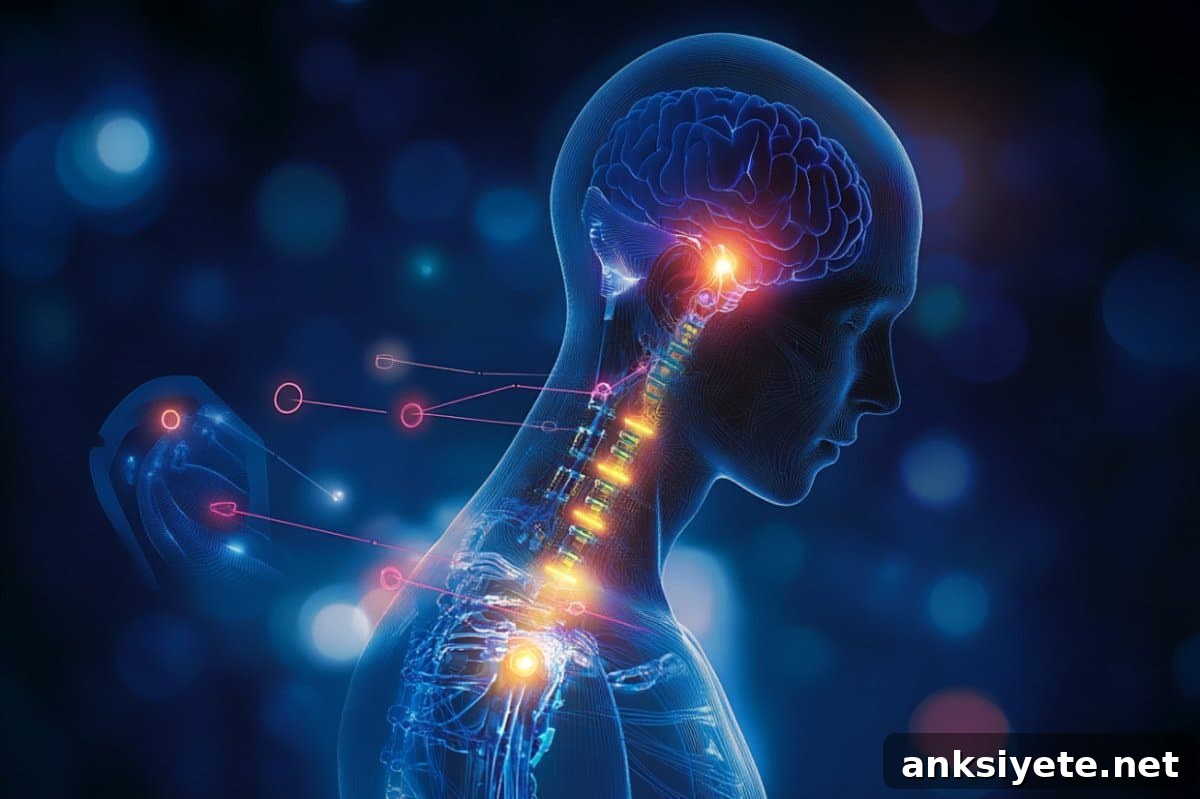
Summary: A landmark clinical study finds that closed-loop vagus nerve stimulation (CLV), delivered alongside targeted rehabilitation, can produce substantial improvements in arm and hand function for people living with chronic, incomplete spinal cord injury. The treatment combines a small implanted pulse generator in the neck with precisely timed electrical signals that reinforce successful movements, promoting beneficial neural plasticity.
Participants who had not responded to therapy alone achieved meaningful recovery with CLV, regardless of age, time since injury, or initial impairment level. These findings represent a major advance toward wider clinical use and potential FDA approval, bringing new hope to patients with limited treatment options.
Key Facts:
- Significant functional gains: CLV produced notable improvements in upper-limb strength and hand function in people with cervical spinal cord injuries.
- How it works: A miniature implant stimulates the vagus nerve in the neck with brief pulses that are synchronized with successful rehabilitative movements.
- Next steps: A multicenter Phase 3 pivotal trial of 70 participants will evaluate CLV’s safety and effectiveness as a path toward FDA authorization.
Source: UT Dallas (summary of published study)
Researchers at the Texas Biomedical Device Center (TxBDC) at The University of Texas at Dallas report unprecedented recovery rates in a clinical study testing closed-loop vagus nerve stimulation for upper-limb impairment after spinal cord injury.
Published in Nature on May 21, the prospective, randomized, double-blinded, sham-controlled study evaluated adults with chronic, incomplete cervical spinal cord injury who received a combination of task-focused, progressive rehabilitation and CLV delivered through a small implant in the neck.
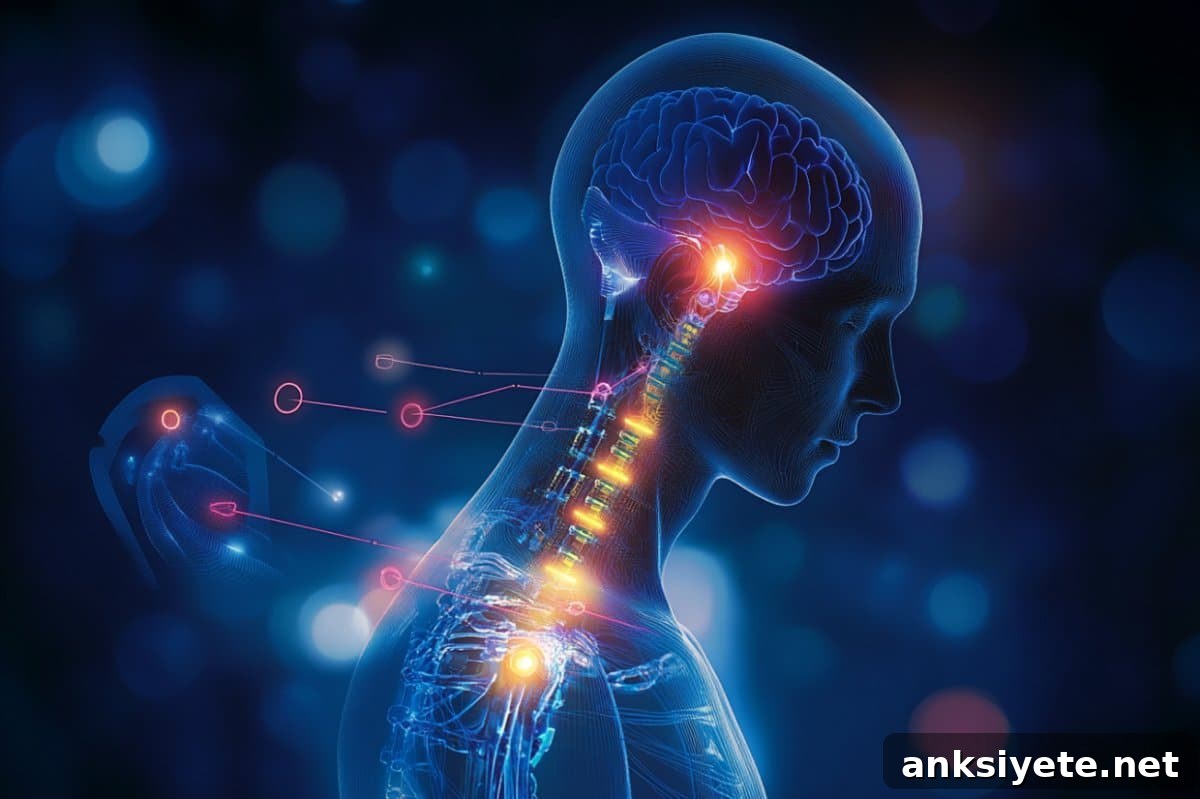
Closed-loop vagus nerve stimulation links brief bursts of vagal activity to successful task performance during therapy. By pairing stimulation with precisely timed movements, CLV appears to strengthen spared neural pathways and enhance motor recovery.
This study’s results support advancing CLV to a pivotal, multicenter Phase 3 trial that could form the basis for Food and Drug Administration (FDA) approval of CLV for treating upper-limb impairment after spinal cord injury.
The approach builds on more than a decade of basic and translational work at UT Dallas. In CLV, a tiny implanted device sends controlled electrical pulses to the vagus nerve during rehabilitative exercises, amplifying the brain’s capacity to reorganize and form new functional connections.
Previous TxBDC research demonstrated that pairing vagus nerve stimulation with rehabilitation promotes recovery after stroke; this new study tests whether the same principle can restore function after spinal cord injury.
Dr. Michael Kilgard, Margaret Fonde Jonsson Professor of Neuroscience and corresponding author, emphasized a key distinction: “In stroke rehabilitation, therapy alone often produces improvements that CLV can amplify. For the spinal cord injury participants in this study, therapy by itself produced little to no change—CLV was required to generate the gains we observed.”
Nineteen participants with chronic, incomplete cervical spinal cord injury completed a 12-week rehabilitation program that used gamified tasks to prompt targeted upper-limb movements. The implant delivered stimulation only when patients achieved successful movements, reinforcing those actions and producing clinically meaningful increases in arm and hand strength.
“The exercises helped patients regain strength, speed, range of motion and hand function, making everyday tasks easier,” said Dr. Robert Rennaker, professor of neuroscience and the Texas Instruments Distinguished Chair in Bioengineering, who designed the miniature implant used in the study.
The trial combined Phase 1 safety evaluation with Phase 2 efficacy testing. Its initial randomized, placebo-controlled segment assigned nine participants to receive sham stimulation during the first 18 therapy sessions; those individuals then received active CLV during the remaining 18 sessions. The crossover design provided rigorous, controlled evidence of benefit.
Participants ranged from 21 to 65 years old and were between one and 45 years post-injury. Age, time since injury, and initial impairment severity did not predict treatment response—participants across these ranges experienced gains—highlighting CLV’s potential applicability to a broad patient population.
Dr. Jane Wigginton, TxBDC chief medical officer and co-director of clinical operations, noted the clinical significance: “This treatment produced measurable improvements for people who previously had no effective therapies. Patients regained abilities that mattered in daily life.”
The current implant is dramatically smaller than earlier versions—approximately fifty times reduced in size compared with the device used three years ago—and is compatible with routine imaging such as MRI, CT and ultrasound.
A planned Phase 3 pivotal trial will enroll 70 participants across multiple U.S. spinal cord injury centers to confirm the therapy’s safety and effectiveness and to support regulatory review.
Dr. Seth Hays, associate professor of bioengineering and a longtime contributor to the CLV program, said, “This study marks the first time CLV has been tested in people with spinal cord injury and provides the initial evidence that functional gains are achievable. Our next goal is to determine how to optimize those gains.”
Hays cautioned that additional work remains: financial, regulatory, and scientific challenges could still limit the therapy’s pathway to patients, but the team believes the program is well positioned to advance.
The research team acknowledged contributions from many collaborators and clinical partners, including Baylor University Medical Center, Baylor Scott & White Research Institute, and Baylor Scott & White Institute for Rehabilitation, and thanked the study participants for their commitment.
Other UT Dallas contributors listed as co-authors included Joseph Epperson, Emmanuel Adehunoluwa, Amy Porter, Holle Carey Gallaway, and David Pruitt.
Conflict of interest disclosures: Kilgard has a financial interest in MicroTransponder Inc., which markets vagus nerve stimulation for stroke. Rennaker is the founder and CEO of XNerve, the company that developed the device used in this study.
Funding: This work was supported by a grant (N66001-17-2-4011) from the Defense Advanced Research Projects Agency (DARPA) and by the Wings for Life Accelerated Translational Program.
About this neurotech and SCI research news
Author: Stephen Fontenot
Source: UT Dallas
Contact: Stephen Fontenot – UT Dallas
Image: The image is credited to Neuroscience News
Original Research: Open access. “Closed-loop vagus nerve stimulation aids recovery from spinal cord injury” by Michael Kilgard et al., published in Nature.
Abstract
Closed-loop vagus nerve stimulation aids recovery from spinal cord injury
Decades of neuroscience research indicate that recovery after major neurological injury requires combined therapeutic strategies. Reestablishing functional neural circuitry among spared pathways is a central goal of neurorehabilitation.
The investigators hypothesized that pairing intensive, task-specific training with real-time closed-loop vagus nerve stimulation (CLV) to enhance synaptic plasticity would improve strength, range of motion and hand function in people with chronic, incomplete cervical spinal cord injury.
They conducted a prospective, randomized, double-blinded, sham-controlled study using gamified physical therapy and a miniaturized implant to deliver sham or active CLV (ClinicalTrials.gov identifier NCT04288245). After 12 weeks of therapy, 19 participants showed significant improvements in arm and hand strength and in performance of daily activities when CLV was paired with rehabilitation.
These results support CLV as a promising therapeutic approach for chronic, incomplete cervical spinal cord injury and justify further testing in larger pivotal trials.