Frequent Cannabis Users Overestimate THC and Cannabinoid Strength

featured 64265

Summary: Many cannabis users do not know what constitutes an effective dose of THC or CBD. Source: University at Buffalo Frequent cannabis users may lack basic knowledge about cannabinoid content and dosing. Researchers from the University at Buffalo and the University of Michigan surveyed attendees at an annual marijuana advocacy event on the University of … Read more
Scientists Find Target to Treat Loss of Pleasure in Depression

featured 6863

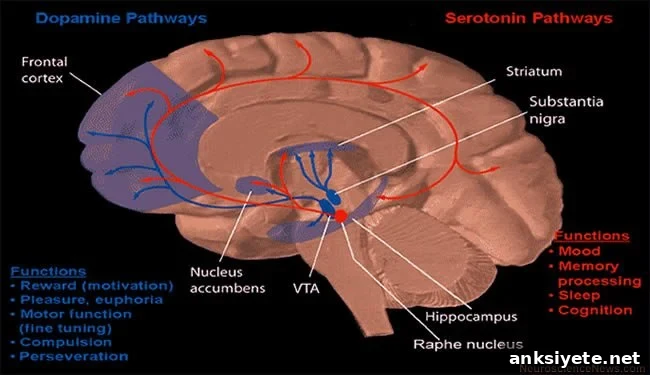
Stanford Study Identifies Melanocortin Pathway That Drives Anhedonia in Depression Researchers at Stanford University School of Medicine have identified a molecular mechanism that links chronic stress to anhedonia—the loss of the ability to feel pleasure—by acting on a conserved brain reward circuit. Although the experiments were performed in mice, the circuit involved is largely similar … Read more

Genetic Risk Factor Identified for Rare Early-Onset Dementia

featured 115402

Summary: Frontotemporal dementia (FTD) is a debilitating neurodegenerative disorder that often appears in midlife, disrupting behavior, personality and language well before memory loss becomes prominent. A rare and puzzling subtype, atypical frontotemporal lobar degeneration with ubiquitin-positive inclusions (aFTLD-U), has long been labeled “sporadic” because it typically occurs without a clear family history. New research from … Read more

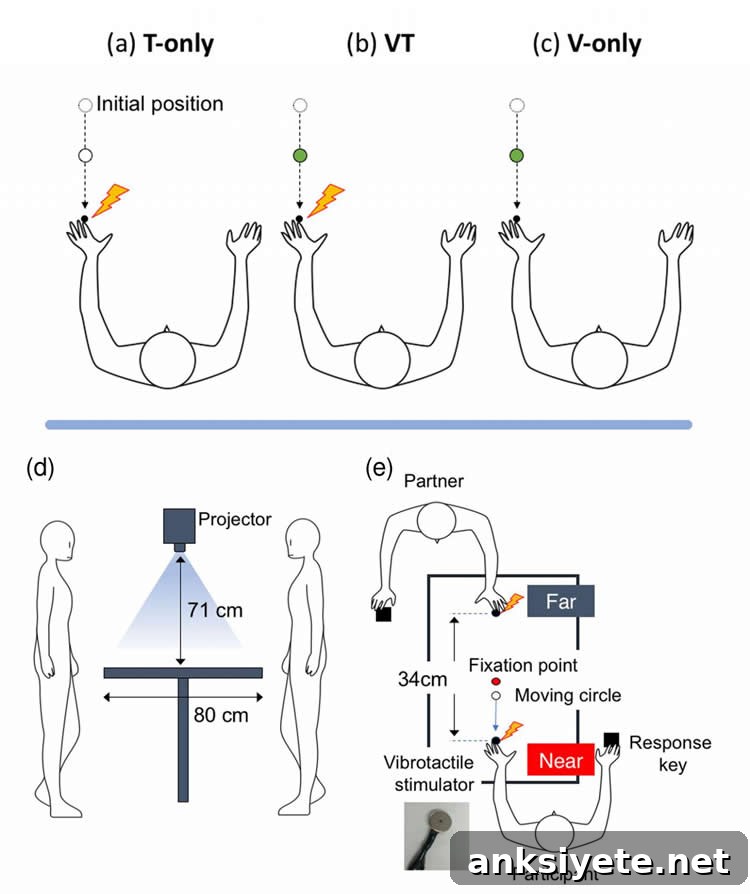
Why Your Brain Treats Others’ Personal Space as Its Own

featured 49484

Your Brain Treats Other People’s Personal Space Almost Like Its Own Summary: New behavioral research shows that people react to stimuli in another person’s peripersonal space as if those stimuli were approaching their own body. Source: Kumamoto University Overview: Peripersonal space (PPS) is the immediate zone surrounding a person’s body that the brain monitors closely … Read more

New Genetic Discovery Could Personalize Depression Treatment

featured 92216

Summary: The NPAS4 gene appears to be a key factor linking prolonged stress to a specific depressive behavior—loss of interest in normally rewarding activities (anhedonia). These results may guide the development of targeted therapies for stress-related depression. Source: Medical University of South Carolina Researchers at the Medical University of South Carolina (MUSC) have identified a … Read more

How the Blood-Brain Barrier Shapes Behavior

featured 96867

Summary: The blood-brain barrier (BBB) in carpenter ants does more than protect the brain—it actively shapes individual behavior within colonies. Researchers report that the ant BBB produces a specialized form of Juvenile hormone esterase (Jhe), an enzyme that breaks down the hormone Juvenile Hormone III (JH3). By limiting JH3 entry into the brain, the BBB … Read more

How Meditation and Breathing Exercises Sharpen Your Mind

featured 48676

Summary: Researchers at Trinity College Dublin report that controlled breathing—a central component of many meditation practices—directly influences noradrenaline levels in the brain. The study indicates breath control can sharpen attention and support overall brain health. Source: Trinity College Dublin. For centuries, traditions such as yoga and Buddhism have asserted that breath-focused practices enhance concentration. New … Read more

AI Identifies Olive Oil Molecules That Could Target Alzheimer’s

featured 95820

Summary: Researchers have applied artificial intelligence to reveal promising evidence that extra virgin olive oil (EVOO) contains bioactive compounds capable of influencing molecular pathways linked to Alzheimer’s disease (AD). Using a multidisciplinary approach that combines AI-driven network analysis, chemistry, and omics data, the study pinpointed specific phytochemicals in EVOO with the greatest potential to affect … Read more

tRNA Fragments May Predict Alzheimer’s Disease Risk

featured 102152

Summary: A new study identifies a key contributor to brain aging and Alzheimer’s disease: the accumulation of Glu-5′tsRNA-CTC, a small tRNA-derived fragment, inside neuronal mitochondria. This fragment interferes with mitochondrial protein synthesis and damages cristae architecture, accelerating cognitive decline and Alzheimer’s-related pathology. By using antisense oligonucleotides to target these tRNA fragments in aged mice, researchers … Read more

Understanding Brain Function: See the Bigger Picture

featured 85275

Summary: Using fMRI to image larger portions of the brain at once—rather than focusing narrowly on small regions—captures additional, meaningful signals and provides a more complete view of how brain areas interact. Source: Yale Functional magnetic resonance imaging (fMRI) has revolutionized our ability to study human brain activity, but conventional approaches that concentrate on small, … Read more