Intermittent Brain Stimulation Boosts Memory Recall
featured 43254

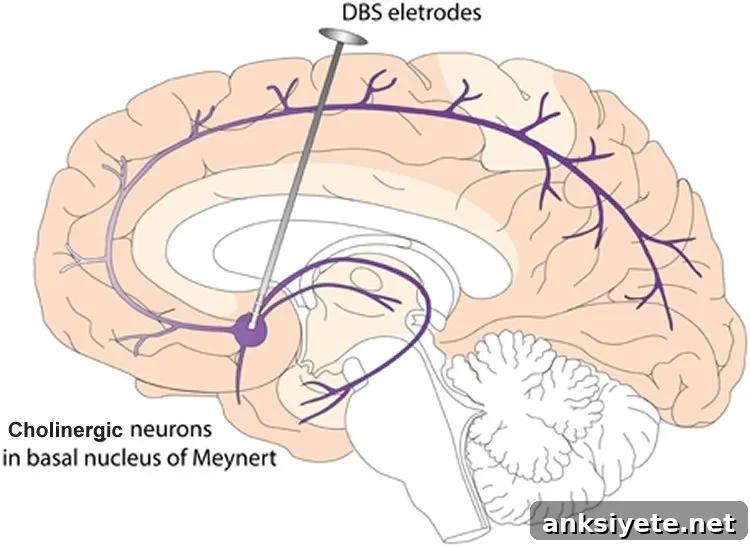
Summary: Intermittent electrical stimulation of the nucleus basalis of Meynert raised acetylcholine levels and improved working memory in adult nonhuman primates, a new study reports. Source: Medical College of Georgia at Augusta University Intermittent deep brain stimulation of a small forebrain region that degenerates in Alzheimer’s disease improves working memory, while continuous stimulation can impair … Read more
Perceived Nicotine Levels Fuel Cravings and Brain Activity

featured 34217

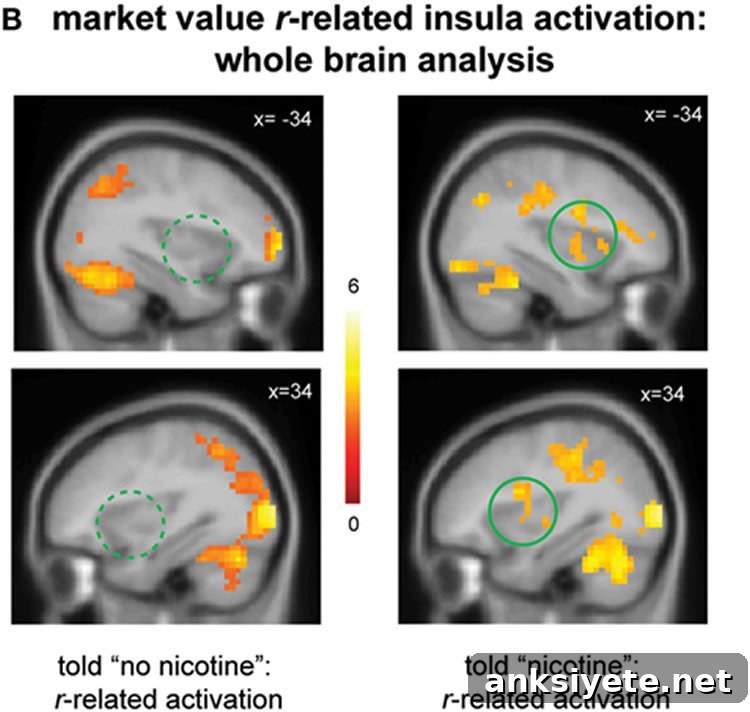
Summary: A new study finds that believing a cigarette contains nicotine can relieve a smoker’s cravings even when the cigarette does not actually contain nicotine. Source: Virginia Tech Virginia Tech and University of Texas at Dallas researchers reveal how belief and drug effects interact in the brain New research from the Virginia Tech Carilion Research … Read more

Rapid Smell Loss Predicts Dementia, Alzheimer’s Brain Shrinkage

featured 85047

Summary: New research shows that loss of smell in older adults can predict not only future cognitive decline but also shrinkage in brain regions associated with Alzheimer’s disease. Source: University of Chicago Although we often take our sense of smell for granted compared with vision or hearing, olfaction supplies the brain with vital information—from detecting … Read more

Brain Selects Neurons During Learning, Discards Others

featured 44894

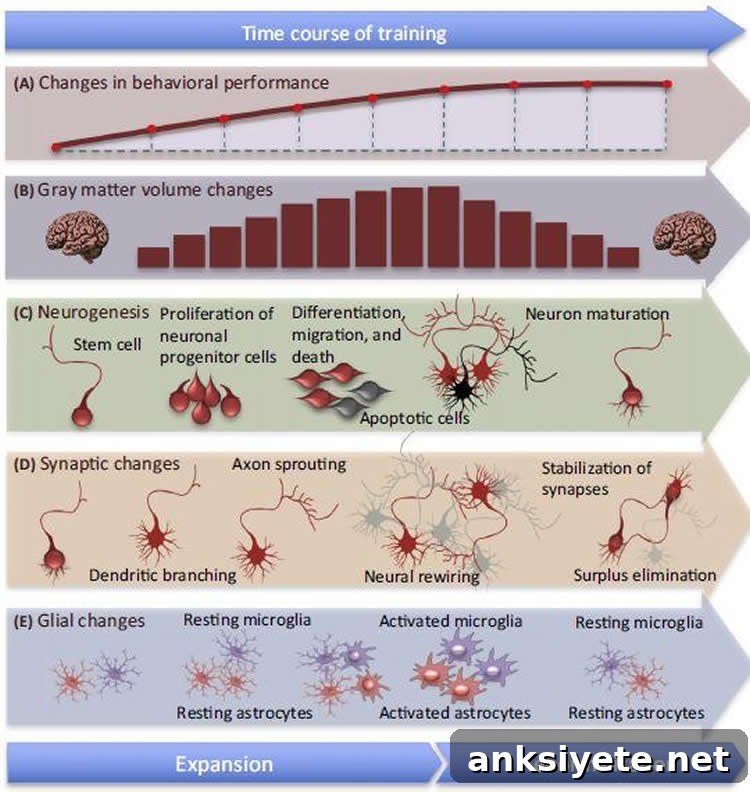
Summary: New review describes how brain tissue expands during early learning and later renormalizes as cells are pruned or reassigned, offering an efficient mechanism for acquiring many skills without net brain growth. Expansion and Renormalization: How the Brain Reorganizes Cells During Learning Source: Cell Press For decades, neuroscientists have asked how the human brain continues … Read more

How the Lactating Brain Rewires Metabolism for Milk

featured 108725

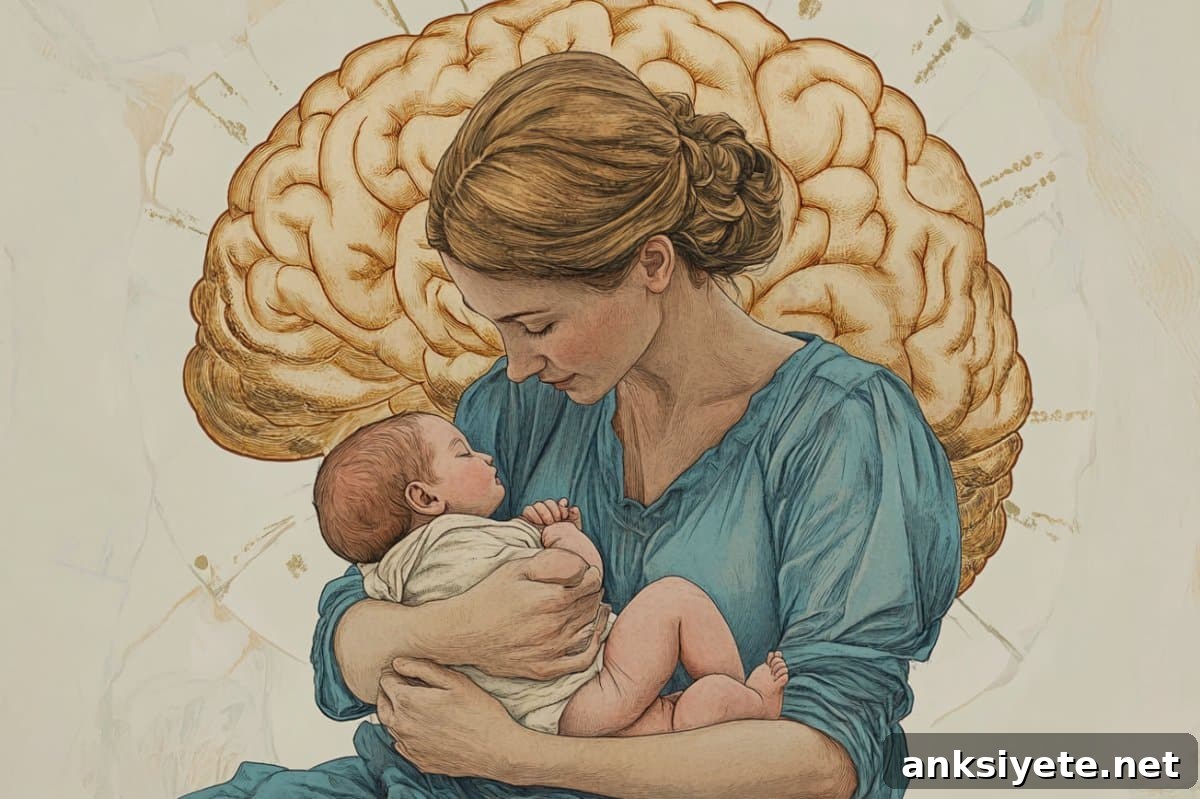
Summary: Lactation triggers profound metabolic changes in mothers, driven by shifts in hormone levels and changes in brain activity. New research reveals how a rise in prolactin together with a drop in estrogen suppresses specific estrogen receptor α (ERα) neurons in the hypothalamus, increasing appetite and conserving fat to meet the energy demands of nursing. … Read more

Social Brain Hub Reacts to Confusion, Not Just People

featured 111393

Summary: New research from the University of Pennsylvania shows that the dorsal medial prefrontal cortex (DMPFC)—a brain region commonly linked to understanding others—is more responsive to uncertainty than to social content itself. Functional MRI (fMRI) scans indicate that DMPFC activation increases when people face uncertain inferences across domains, including other people’s minds, human bodies, and … Read more

How ADHD Fuels Entrepreneurial Success

featured 99883

Summary: People with attention deficit hyperactivity disorder (ADHD) often bring cognitive strengths to entrepreneurship. Recent research from West Virginia University’s John Chambers College of Business and Economics shows that entrepreneurs with ADHD can gather and organize diverse stimuli from their surroundings and convert those inputs into practical resources for starting and running businesses. By developing … Read more

Study Finds Bacteria in Alzheimer’s Brains

featured 42119

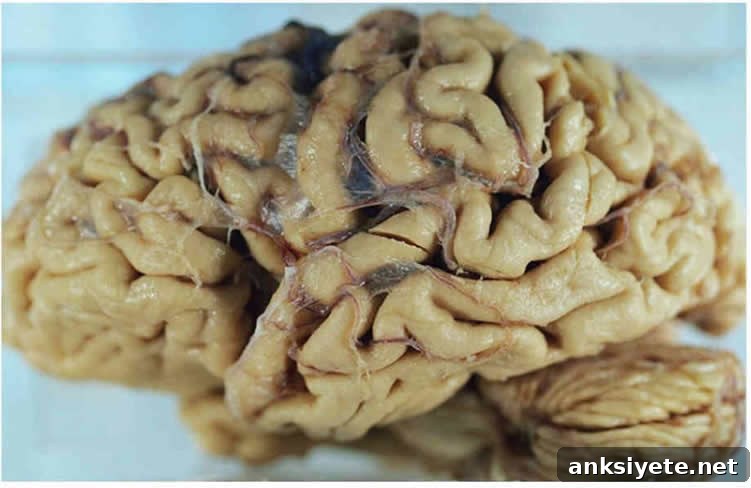
Summary: A study published in Frontiers in Aging Neuroscience presents evidence that bacterial DNA and associated inflammation may be linked to Alzheimer’s disease. The researchers report a markedly higher ratio of Actinobacteria to Proteobacteria in Alzheimer’s post-mortem brains compared with brains from cognitively healthy donors. Source: Frontiers. Altered bacterial profiles detected in Alzheimer’s disease brains … Read more

Scientists Discover Local Circadian Clock in the Brain

featured 17765

Researchers gain new evidence that local brain clocks help control sleep and wakefulness All animals, from insects to humans, have internal circadian clocks that track daily light-dark cycles and help coordinate when the body sleeps and when it is active. A master clock in the brain’s suprachiasmatic nucleus (SCN) is known to synchronise many of … Read more

How Genetic Variants Shape Psychiatric Disorders in the Brain

featured 105154

Summary: Scientists have mapped how genetic variants influence the risk of neurological and psychiatric disorders such as schizophrenia, autism spectrum disorder, and bipolar disorder. By combining live human neural cell models with DNA sequencing and gene-regulation assays, researchers identified thousands of context-dependent, non-coding variants that act like regulatory switches during brain development. These non-coding variants … Read more