FDA Approves First Schwann Cell Transplant for Spinal Cord Injury
featured 8307

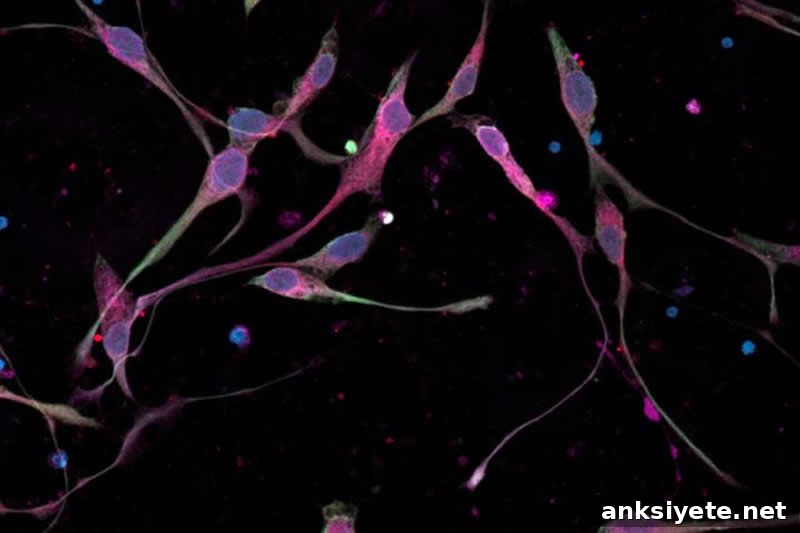
First FDA-Approved Autologous Schwann Cell Transplantation Performed for Acute Spinal Cord Injury Surgeons and scientists at The Miami Project to Cure Paralysis, a Center of Excellence at the University of Miami Miller School of Medicine, have completed the first Food and Drug Administration–approved transplantation of a patient’s own Schwann cells following a new spinal cord … Read more


Bioartificial Tissues and Organs from Stem Cells

featured 8860

Pioneering stem cell–based transplant technology is being developed and tested for new organs and tissues. Surgeon Paolo Macchiarini has gained international attention for performing transplants of bioengineered tracheas created from a combination of synthetic scaffolds and the patient’s own stem cells. Building on that work, he is now extending the approach to attempt reconstruction of … Read more

How Brain Cells Are Shaping Neuromorphic Computer Components

featured 91471

Summary: Researchers from Politecnico di Milano, Empa and ETH Zurich have created a more powerful and energy-efficient memristor inspired by the structure and energy efficiency of the human brain. Built from nanocrystals of halide perovskite, the device combines memory and computation in a single element and demonstrates higher-order dynamics useful for neuromorphic computing. While promising … Read more

Friends vs Family: Which Boosts Happiness More?

featured 41335

Summary: A large new analysis suggests that friendships grow more valuable with age and can have a greater impact on health and happiness than family ties. Source: Michigan State University Friendship strengthens with age and can outweigh family ties in promoting health and well‑being, new research indicates. A researcher at Michigan State University examined hundreds … Read more

Lower Blood Sugar Could Protect Brain Function

featured 12016

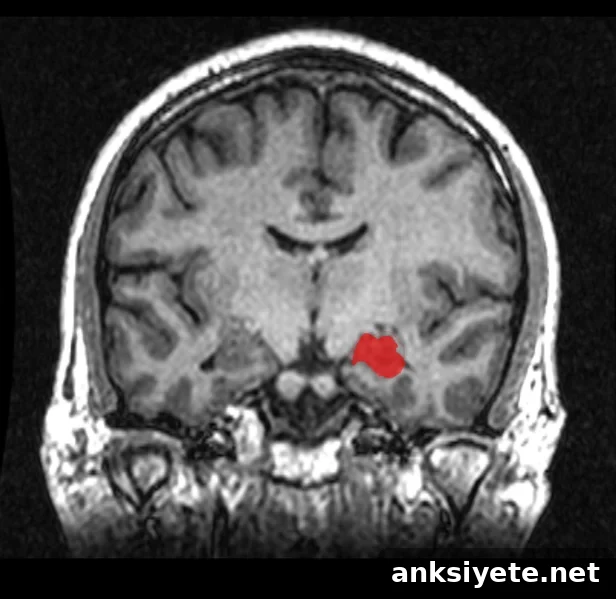
Higher Normal-Range Blood Sugar Is Linked to Lower Memory Performance and Smaller Hippocampus New research shows that even people without diabetes or pre-diabetes who have higher blood sugar values within the normal range tend to perform worse on memory tests and to have smaller hippocampal volumes. Study overview A study published in the journal Neurology … Read more

How Fruit Flies See Color: Insights into Drosophila Vision

featured 61440

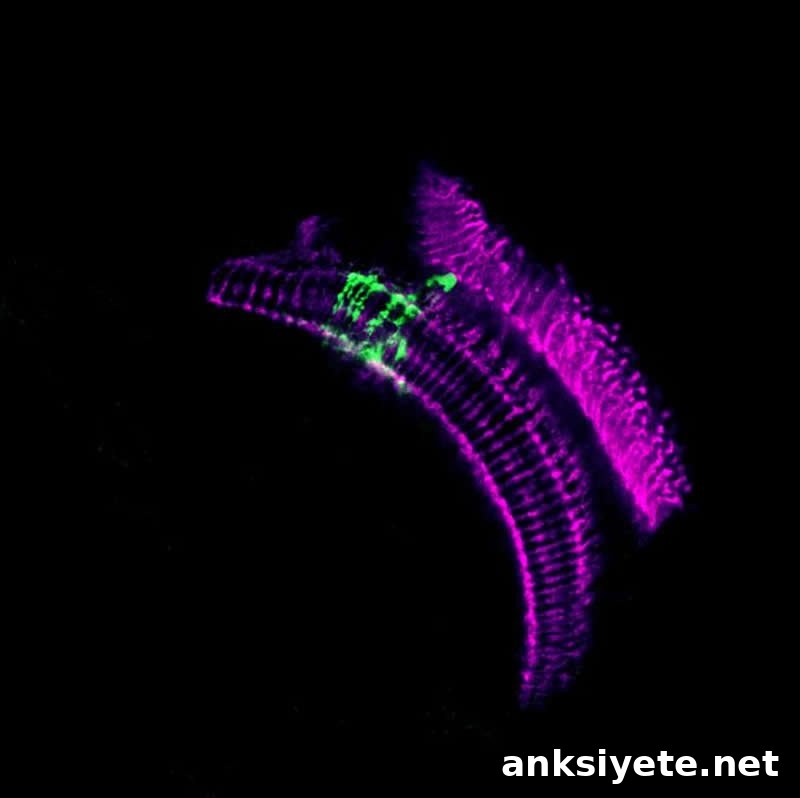
Summary: Columbia researchers discovered a neural circuit in fruit flies that enables color vision and closely resembles the circuitry underlying human color perception. The discovery clarifies how light signals travel from the eye to the brain and could guide new AI approaches for color recognition. Source: Zuckerman Institute Columbia University scientists have mapped a brain … Read more

6,500 Genes Differ Between Men and Women, Study Shows

featured 40549

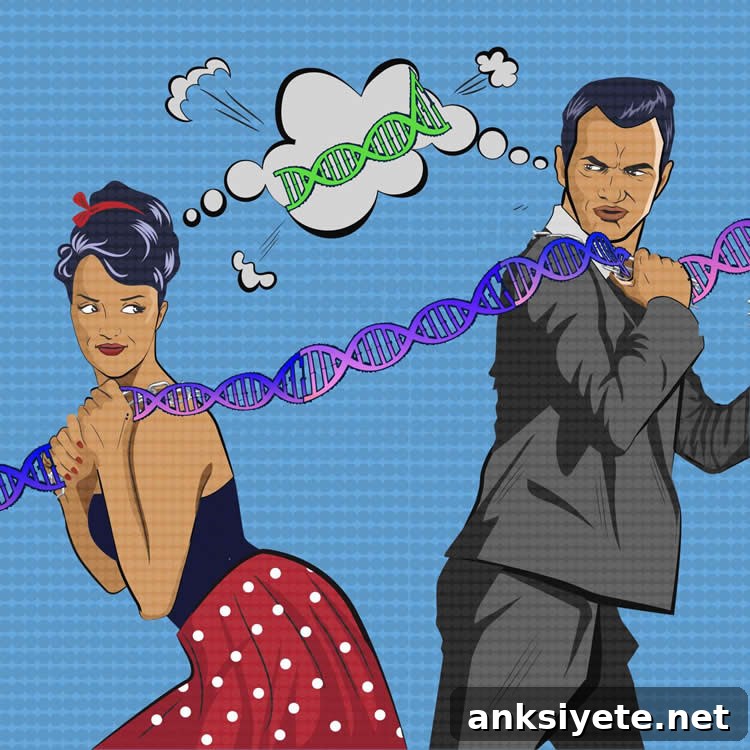
Summary: New research shows that many genes are expressed differently in males and females, suggesting that the sexes follow largely separate—but connected—evolutionary paths. Source: Weizmann Institute of Science Sex-biased Gene Expression Shapes Human Evolution and Health Key finding: Thousands of human genes are expressed at different levels in men and women, and many of these … Read more

Midlife High Blood Pressure Raises Risk of Brain Damage Later

featured 69491

Summary: Higher than average blood pressure during midlife is linked to a greater risk of—and more extensive—brain small-vessel damage in later years. Source: European Society of Cardiology A large new analysis published in the European Heart Journal finds that blood pressure above typical midlife levels is associated with more extensive brain damage in older age. … Read more

Inside the Brain: A Neuroscience Guide to How It Works

featured 74392

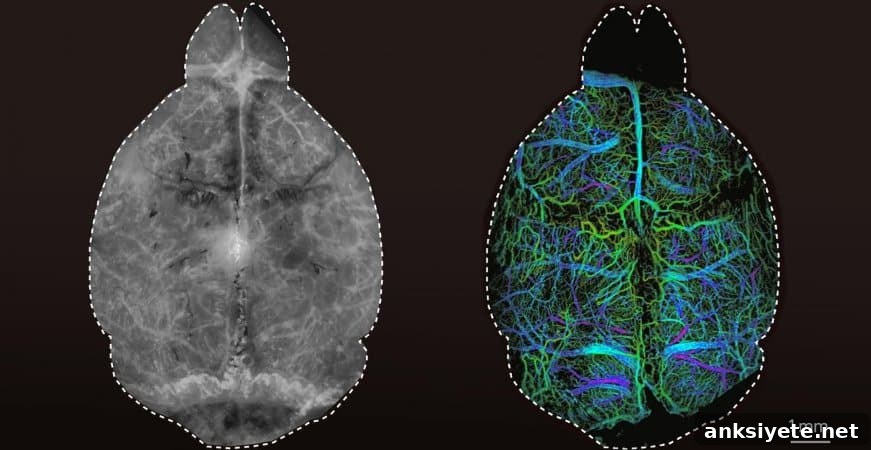
Summary: Diffuse optical localization imaging (DOLI) is a newly developed fluorescence microscopy technique that enables noninvasive, high-resolution visualization of microcirculation deep within the living brain. Source: ETH Zurich The inner workings of the human brain remain only partially understood. A major obstacle has been the difficulty of observing neuronal activity and microvascular function at cellular … Read more

Promising Drug Combination Targets Deadly Childhood Brain Cancer

featured 60682

Summary: Scientists have identified two drugs that act together to kill cancer cells and counter the genetic mutation that drives diffuse midline gliomas (DMGs), a group of lethal pediatric brain tumors. Source: NIH/NCATS Researchers have developed a promising combined drug strategy against diffuse midline gliomas (DMGs)—including diffuse intrinsic pontine glioma (DIPG), thalamic glioma, and spinal … Read more