Scientists Discover Longevity Gene That Extends Lifespan

featured 104401

Summary: Scientists have identified a protein, OSER1, that appears to play a central role in regulating lifespan. Present across multiple animal species — and detectable in humans — OSER1 emerged from a group of proteins controlled by the longevity-associated transcription factor FOXO. The discovery points to new biological mechanisms behind why some organisms live longer … Read more


Genetic Study Identifies Multiple Genes Linked to Insomnia

featured 41496

Summary: Researchers have identified seven genetic risk factors linked to insomnia. Source: VU An international research team has identified seven genes associated with insomnia for the first time. This discovery marks a significant step toward understanding the biological mechanisms that predispose people to chronic sleep problems and challenges the notion that insomnia is solely a … Read more

Perinatal Phthalate Exposure Disrupts Brain Development in Rats

featured 50469

Summary: A University of Illinois study found that rats exposed to a mixture of phthalates during pregnancy and lactation developed fewer neurons and synapses in the medial prefrontal cortex and showed lasting deficits in cognitive flexibility compared with unexposed peers. Source: University of Illinois. Perinatal Phthalate Exposure Reduces Neurons and Synapses and Impairs Cognitive Flexibility … Read more

Mobilizing Mitochondria Could Regenerate Damaged Neurons in Mice

featured 31907

Summary: A new study finds that increasing the movement of mitochondria along axons improves the capacity of mouse nerve cells to regenerate after injury. Source: Rockefeller University Press. Scientists at the National Institute of Neurological Disorders and Stroke report that enhancing mitochondrial transport along neuronal axons improves the ability of mouse neurons to repair themselves … Read more

Reading, Math and Science Improve English Learners’ Scores

featured 101785

Summary: A new 10-week intervention has been shown to significantly improve math performance for third-grade English learners who struggle with word problems. Grounded in research from the science of reading and math, the program delivered two 30-minute sessions per week and produced measurable gains in comprehension, visualization, and problem-solving compared with general classroom instruction. The … Read more

Study: Tau Protein Linked to Diabetes, Separate From Alzheimer’s

featured 23223

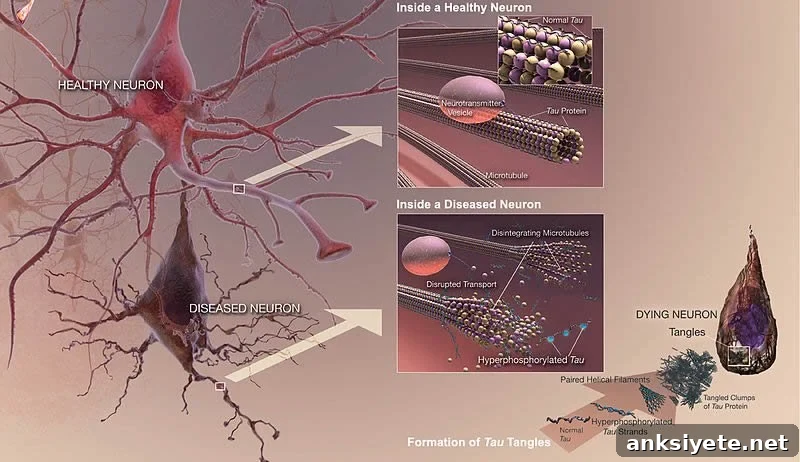
New research suggests type 2 diabetes is linked to increased tau protein and brain tissue loss, independently of Alzheimer’s disease. People with type 2 diabetes may have higher levels of tau—a protein that forms tangles in the brain—and reduced cortical thickness, findings that point to a potential pathway by which diabetes increases dementia risk. The … Read more

How Coffee and Stimulants Lower High Achievers’ Productivity

featured 6176

New research from the University of British Columbia suggests that commonly used stimulants—such as caffeine and amphetamines—can have opposite effects depending on a person’s baseline motivation: they may boost effort in disengaged individuals but reduce willingness to work in those who are already highly motivated. The study, published in Nature’s Neuropsychopharmacology, examined how stimulants influence … Read more

How Complex Cognition Shaped Stone Age Handaxes

featured 20304

New research shows making a Lower Paleolithic hand axe requires sophisticated cognitive control in the prefrontal cortex, including the “central executive” component of working memory. PLOS ONE published the study’s findings, which challenge the long-standing notion that Stone Age hand axes were simple products of low-level motor skills alone and did not engage higher-order executive … Read more

When Does Consciousness Begin? Evidence Before Birth

featured 97556

Summary: New evidence indicates that conscious experience can begin as early as late pregnancy or at birth. The study suggests an infant’s developing brain can form conscious experiences that contribute to their emerging sense of self and their understanding of the world. Researchers drew on recent advances in identifying neural markers of consciousness from adult … Read more

Late Bedtimes Linked to Poorer OCD Symptom Control

featured 41655

Summary: Researchers report that going to bed late is linked to reduced perceived control over obsessive thoughts for people with obsessive-compulsive disorder (OCD). Source: Binghamton University New research from Binghamton University (State University of New York) links later bedtimes to diminished perceived control over obsessions and compulsions. Researchers led by Meredith E. Coles, Professor of … Read more