Why Time Feels Faster When You’re in Control

featured 49710

Summary: Researchers investigate why our sense of time changes when we enjoy ourselves or feel in control of events. Source: The Conversation. We have all experienced it: tedious meetings and long waits feel interminable, while enjoyable moments seem to vanish in an instant. While stimulation and attention clearly affect our judgments of duration, another important … Read more

How Drinking During Pregnancy Alters Baby’s Brain

featured 88340

Summary: Pregnant women who consume small-to-moderate amounts of alcohol during pregnancy risk altering their baby’s brain structure and slowing prenatal brain development. Source: RSNA A recent fetal MRI study shows that alcohol intake during pregnancy—even at low or moderate levels—can change the structure of the developing brain and delay aspects of maturation. The findings are … Read more

Study: Exercise May Keep You Looking Younger

featured 89738

Summary: New research shows that exercise produces epigenetic changes that promote a more youthful molecular profile in aging organisms. Source: University of Arkansas A recent paper in the Journal of Physiology strengthens evidence that exercise preserves youth-like molecular features in aged tissues. The study builds on earlier work in which older mice given access to … Read more

ADHD Linked to Increased Parkinson’s Disease Risk

featured 51303

Summary: A new population-based study from the University of Utah Health reports that people with attention-deficit/hyperactivity disorder (ADHD) face a higher risk of developing Parkinson’s disease and related disorders. The study found that individuals with ADHD were more than twice as likely to be diagnosed with early-onset Parkinson’s (ages 21–66). The risk was particularly elevated—estimated … Read more

Music Therapy Synchronizes Brain Activity

featured 58298

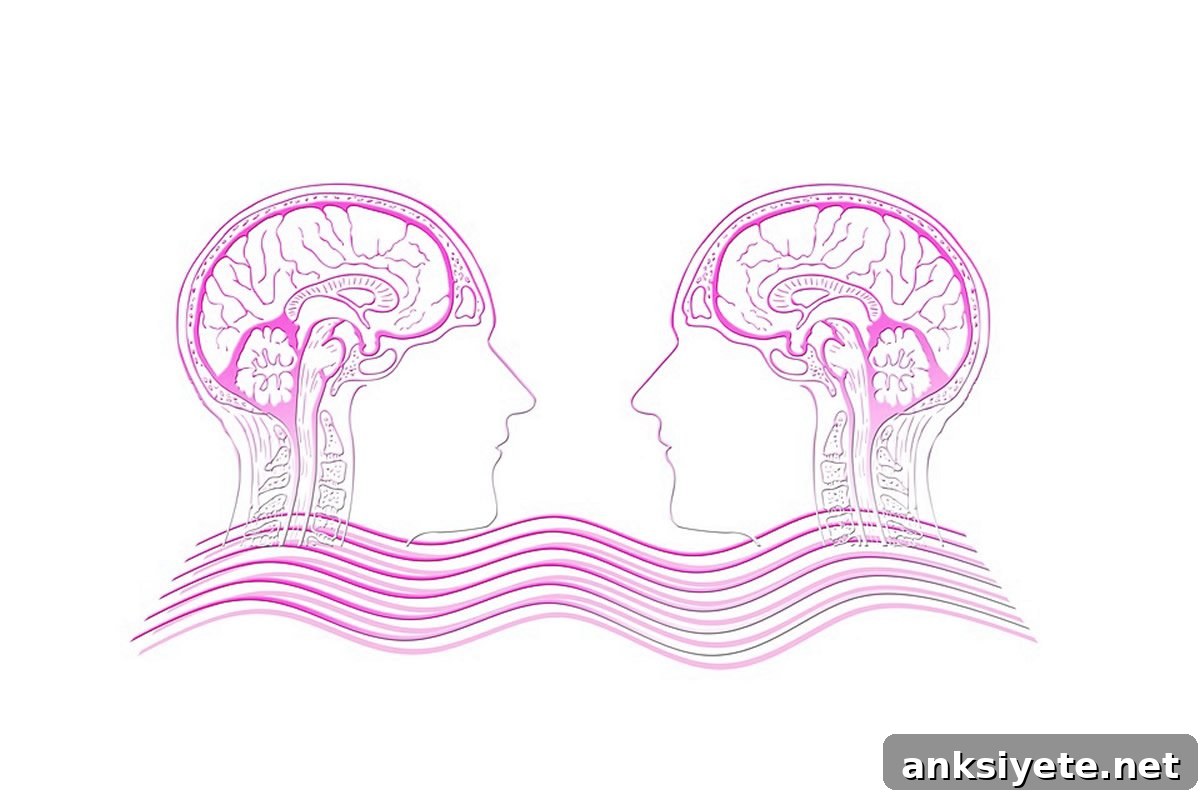
Summary: Using hyperscanning, researchers have shown that the brains of a patient and a music therapist synchronize during a music therapy session, revealing measurable neural moments that correspond to therapeutic breakthroughs. Source: Anglia Ruskin University Researchers have, for the first time, demonstrated synchronized brain activity between a patient and a therapist during a live music … Read more

Non-Fearful Social Withdrawal Linked to Increased Creativity

featured 45063

Summary: New research suggests that one form of social withdrawal — unsociability — can have a positive side: it is linked to greater creativity. Source: University at Buffalo. Everyone benefits from an occasional break from social activity, but excessive isolation can be harmful. Still, not all forms of withdrawing from others carry the same risks. … Read more

Why Humans Adapt Faster Than AI Systems

featured 112816

Summary: Humans are remarkably good at adapting to new and unfamiliar situations, while machines still struggle in many everyday contexts. A new interdisciplinary study identifies a core reason: humans and AI systems generalize in fundamentally different ways. Understanding those differences—and where they overlap—can guide the design of AI that adapts more reliably and cooperates more … Read more

How Playing Drums Rewires Your Brain

featured 60861

Summary: Long-term drummers show greater microstructural diffusion in the corpus callosum—the brain’s main bridge between the two hemispheres—an area crucial for coordinated motor planning and interhemispheric communication. Source: RUB (Ruhr-Universität Bochum) People who play drums regularly for many years differ from nonmusicians in both brain structure and function. A magnetic resonance imaging (MRI) study conducted … Read more

Hippocampal Activity Could Unlock Memory Treatments for Seniors

featured 23843

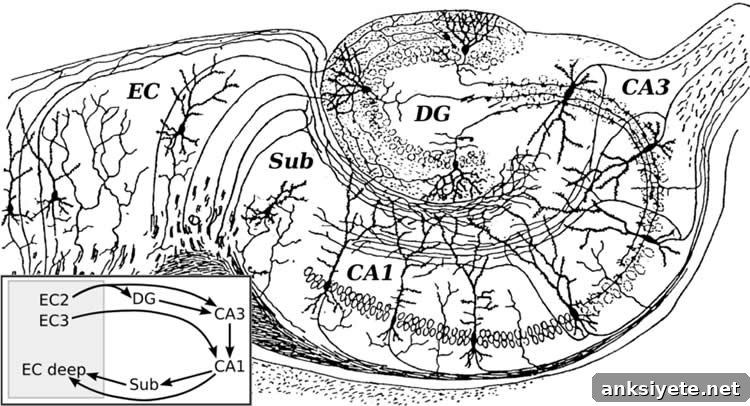
Neurons are hyperactive and fire more in a newly studied region of the hippocampus Scientists at Northwestern Medicine have recorded, for the first time, detailed electrical activity from neurons in a relatively understudied hippocampal subregion and identified a cellular mechanism that explains why those neurons become more active with age. The findings point to a … Read more

Non-Addictive Painkiller Shows Promise as Morphine Alternative

featured 27426

Peptide-based painkillers that mimic a natural brain chemical target the same opioid receptor as morphine but show far fewer side effects and lower addiction potential Researchers at Tulane University and the Southeast Louisiana Veterans Health Care System report a promising new class of painkillers derived from endomorphin, a natural opioid-like peptide in the brain. Published … Read more