Monkeys, Guinea Pigs and Humans Share Brain Responses to Speech
featured 78973

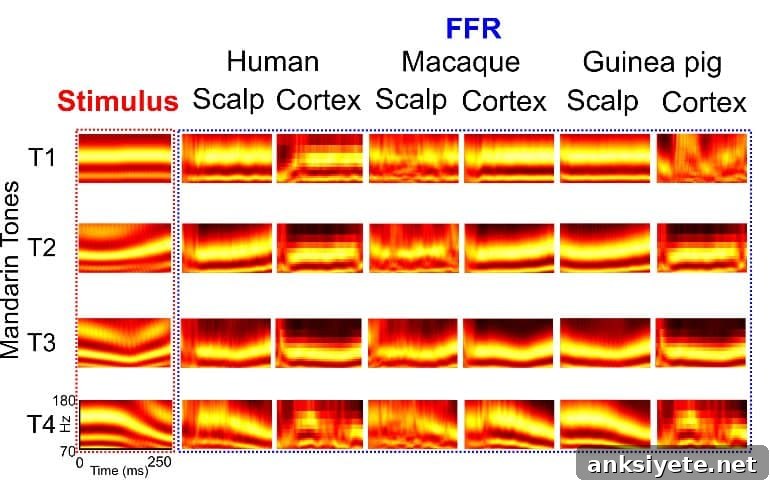
Summary: Speech sounds evoke similar neural responses and activate the same auditory brain regions in humans, macaque monkeys, and guinea pigs. Source: University of Pittsburgh Researchers at the University of Pittsburgh report in the journal eNeuro that the brain’s electrical responses to speech—known as frequency-following responses (FFRs)—are comparable across humans, macaques, and guinea pigs, and … Read more

Brain Imaging Reveals ADHD Has Distinct Subtypes

featured 44734

Summary: A new study clarifies that adolescents diagnosed with attention-deficit/hyperactivity disorder (ADHD) fall into three distinct neurobiological subgroups, each with different brain impairments and no single common abnormality across all groups. Source: Elsevier. Researchers report that adolescents diagnosed with attention-deficit/hyperactivity disorder (ADHD) exhibit distinct patterns of brain dysfunction, indicating the disorder may not have a … Read more

Brain Scans Detect Depression Risk in Children Before Symptoms

featured 27204

New brain imaging research from MIT and Harvard Medical School points toward a potential screening tool to identify children at high risk of developing depression later in life. Researchers discovered distinctive patterns of brain connectivity in children who are not currently depressed but whose parents have a documented history of major depression. These neural differences, … Read more

Birth Control Pills Linked to Higher Depression Risk in Teens

featured 59877

Summary: In a large, long-term study of young women, researchers found no overall link between oral contraceptive use and the severity of depressive symptoms among females aged 16 to 25. However, 16-year-old oral contraceptive users reported modestly higher depressive symptom scores than their nonusing peers. Source: Brigham and Women’s Hospital Overview Researchers from Brigham and … Read more

Neural Circuit Driving Spontaneous Group Movement Identified

featured 93670

Summary: A new study has identified a specific brain circuit that enables animals to mount a rapid, unified response to threats—an effect seen in schooling fish and herding mammals. The work, conducted in mice, reveals how two brain regions interact to coordinate synchronized defensive behavior and offers a foundation for further research into social communication … Read more

Steady-Hand Robot Improves Precision in Neurosurgery

featured 5560

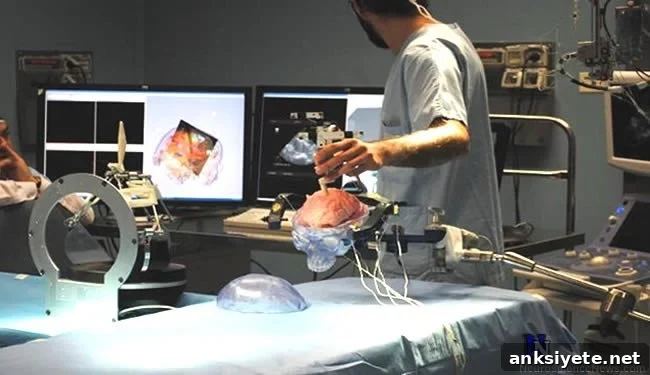
Robotic Precision in Neurosurgery: EU-Funded ROBOCAST Advances Neurosurgeons may soon receive assistance in the operating room from a robotic system capable of movements up to ten times steadier than the human hand, according to an announcement by the European Commission. The EU-supported ROBOCAST project represents a notable advance in robot-assisted brain surgery, with potential to … Read more

Wearing a Robotic Third Thumb Alters Brain Maps of the Hand

featured 74141

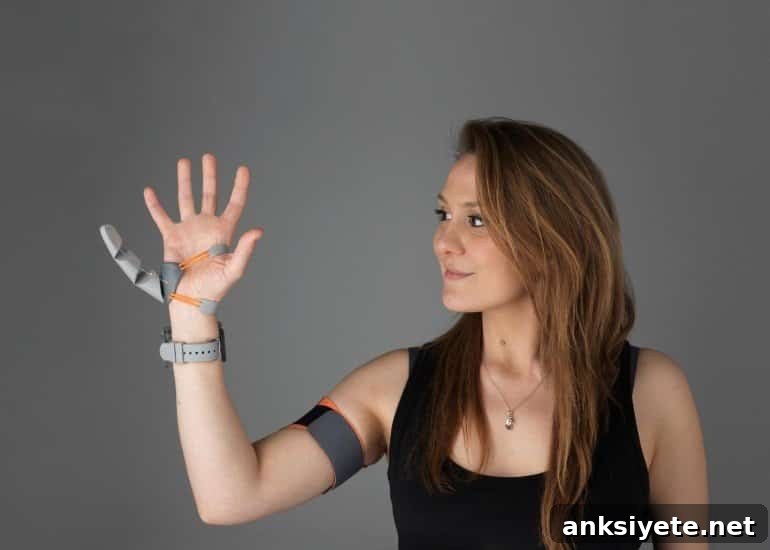
Summary: Researchers trained volunteers to use a wearable, 3D‑printed extra digit called the Third Thumb. Over repeated training, participants improved one‑handed dexterous tasks and reported a growing sense that the robotic thumb belonged to their body. Brain imaging showed measurable changes in how the augmented hand was represented in sensorimotor cortex. Source: UCL Using a … Read more

Omega-3 Fish Oil Does Not Prevent Depression, Study Finds

featured 79550

Summary: Large randomized trial finds no net benefit of omega-3 (fish oil) supplements for preventing depression or improving mood in adults. Source: Mass General Results from the largest clinical trial to date do not support taking fish oil (marine omega-3 fatty acid) supplements to prevent depression. A research team led by investigators at Massachusetts General … Read more

Young Night Owls with High Psychosis Risk Report More Symptoms

featured 72372

Summary: A study from Orygen found that young people at ultra‑high risk for psychosis who prefer evening hours reported higher levels of negative psychotic symptoms. Source: Orygen Key finding: Young people identified as being at ultra‑high risk for developing psychosis showed significantly greater negative psychotic symptoms when they had a stronger preference for evening activity, … Read more

Brain Study Reveals Link Between Pain and Food Choices

featured 80542

Summary: Brain circuits that drive motivation and pleasure become active when a person experiences pain. New research links these changes to altered eating behavior and helps explain why some people with chronic pain are at greater risk of overeating and weight gain. Source: University of Rochester Background People with chronic pain frequently face challenges with … Read more