Bowel Blockage Symptoms: Prolonged Sleep and Food Avoidance

featured 117592

Summary: Researchers have solved a 112-year-old genetic mystery while mapping a vital gut–brain signaling loop that controls early-life survival. The study examined the immediate post-hatching behavior of the fruit fly Drosophila melanogaster and revealed how intestinal clearance and brain-driven feeding are tightly coordinated. The team found that newly hatched flies must follow a rigid sequence: … Read more

Sleep Deprivation Can Cause Schizophrenia-Like Symptoms

featured 15330

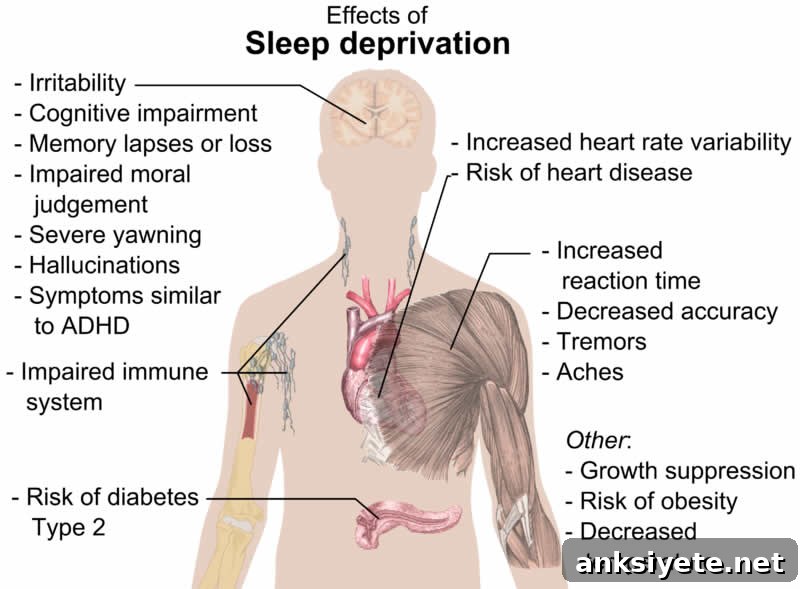
Psychologists at the University of Bonn report striking cognitive and perceptual deficits after a single sleepless night An international team led by researchers at the University of Bonn and King’s College London found that 24 hours without sleep can produce many symptoms in healthy individuals that resemble those seen in psychosis and schizophrenia. The study, … Read more

Mother Mice Use Oxytocin to Teach Parenting to Other Females

featured 76540

Summary: Observing experienced mothers gather and care for pups trains virgin female mice to copy that parenting behavior. In these virgins, watching maternal care triggers oxytocin release in the brain, preparing them biologically to perform maternal tasks. Source: NYU New research shows that when mother mice gather their pups into the nest, other female mice … Read more

Will AI Brains Need Sleep?

featured 65710

Summary: Simulations of spiking neural networks became unstable after prolonged unsupervised learning. Introducing activity patterns similar to biological slow-wave sleep restored stability in the models. Source: DOE/Los Alamos National Laboratory Artificial neural systems may need rest periods similar to sleep to remain stable, according to new research from Los Alamos National Laboratory. Researchers at Los … Read more

Study Finds New Gene Linked to Treatment-Resistant Depression

featured 98041

Summary: Using a stress-based mouse model, researchers have identified the gene LHPP as a key modulator that interacts with stress to drive features of treatment-resistant major depressive disorder (MDD). In stressed animals, elevated LHPP worsened depression-like behaviors, and those behaviors were relieved by esketamine but not by a standard antidepressant. This study highlights how genetic … Read more

Learning to Read in Your 30s Rewires Your Brain

featured 41099

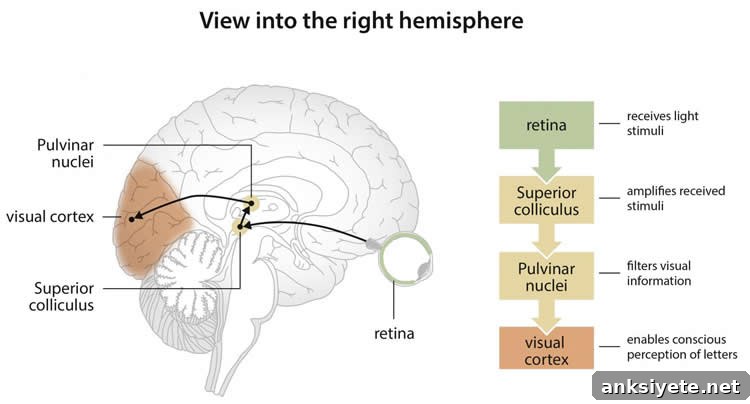
Summary: New findings clarify how learning to read reshapes brain circuits and highlight implications for reading disorders like dyslexia. Source: Max Planck Institute. Reading is a recent cultural invention in human history and could not have been hard-wired into our genes. To acquire literacy, the brain repurposes regions originally evolved to recognize complex visual patterns—such … Read more

Vitamin D Deficiency and Dementia Risk: What to Know

featured 83778

Summary: New genetic and observational research links low vitamin D levels to smaller brain volumes and a higher risk of dementia and stroke. The study suggests that raising vitamin D to normal levels (around 50 nmol/L) could potentially prevent a meaningful proportion of dementia cases in some populations—up to about 17%. Source: University of South … Read more

Can the Free Energy Principle Unify Biology, Brain, and Mind?

featured 85515

Summary: The free energy principle proposes that every living system acts to minimize a quantity called free energy, effectively reducing surprise. Scientists are debating whether this idea can serve as a unifying framework across biology, psychology and neuroscience. Source: The Conversation In the early 1990s, British neuroscientist Karl Friston was working with vast amounts of … Read more

How Exercise Beats Therapy and Medication for Depression

featured 91377

Summary: Exercise is a powerful, evidence-based intervention for a range of mental health conditions, including depression and anxiety. Recent research suggests regular physical activity can be as effective—or even more effective—than medication and some forms of psychotherapy for improving mood and reducing psychological distress. Source: The Conversation The world is facing a growing mental health … Read more

How Circadian Rhythms Affect Aging and Longevity

featured 10272

MIT study finds that a gene associated with longevity also regulates the body’s circadian clock. Human sleep and wake cycles are governed by an internal circadian clock that keeps time with the 24-hour light–dark cycle. This central clock also coordinates numerous physiological processes, including metabolism, body temperature, and hormone release. Disruption of this rhythm is … Read more