Study Finds Biological Mechanism Triggers Epileptic Seizures

featured 7273

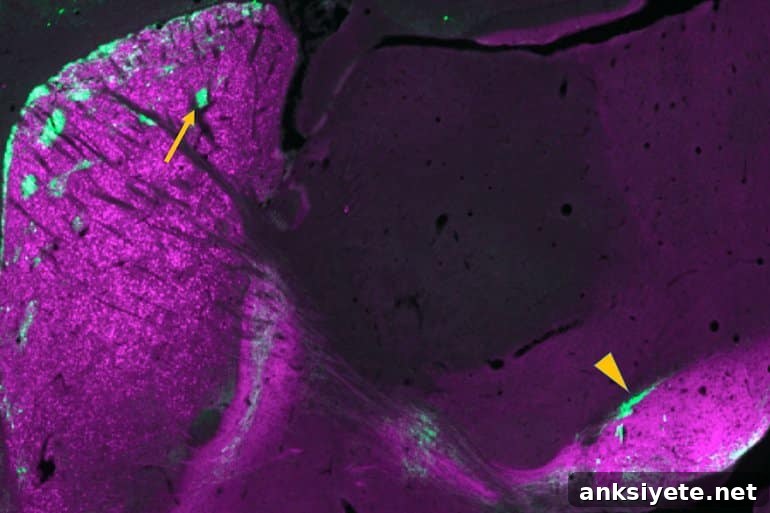
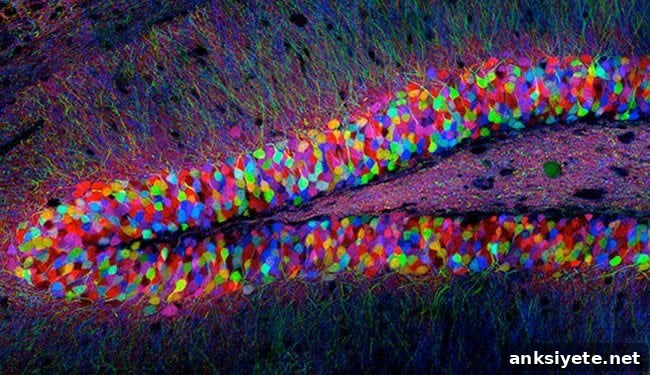
Scientists have found the first direct evidence that a long-suspected biological mechanism can trigger seizures, opening new avenues for treatments and possibly prevention. Researchers at Cincinnati Children’s Hospital Medical Center report that molecular disruption in a specific population of small neurons—granule cells in the dentate gyrus—can produce seizures in mice that resemble human temporal lobe … Read more

Tracking Alzheimer’s Progression Before Dementia Onset

featured 11439

Scientists are gaining new insight into how Alzheimer’s disease affects the brain long before memory loss and dementia become apparent. This preclinical phase can span a decade or more and represents a critical window when the disease might be slowed or halted, potentially preventing later cognitive decline. New findings published in Lancet Neurology report progress … Read more

Legal Cannabis Linked to Lower Harm and Better Mental Health

featured 109658

Summary: The Weed Care study in Switzerland examines how regulated, legal access to cannabis affects patterns of use and mental health among adult consumers. In the first randomized controlled trial of its kind, participants given legal access to cannabis purchased through pharmacies showed a modest decline in problematic use, with the strongest benefit observed among … Read more

Virtual Brain Model Predicts Seizure Origins in Epilepsy

featured 33263

Summary: Scientists have built a personalized virtual brain that can replicate the brain activity of someone with epilepsy. This model improves understanding of the condition and may help clinicians plan treatment and surgery. Source: CNRS. Researchers from CNRS, INSERM, Aix‑Marseille University and AP‑HM have created, for the first time, a personalized virtual brain capable of … Read more

Targeted Electrode Implants Restore Movement After Paralysis

featured 36484

Summary: A small implanted array of electrodes can precisely stimulate peripheral nerves to produce controlled, fatigue-resistant limb movement, offering new hope for people with spinal cord injuries. Source: Oregon State University Tiny implanted electrode arrays that deliver precisely controlled electrical pulses to peripheral nerves may one day help people with spinal cord injuries regain use … Read more

Immune Gene Tied to ADHD, Autism and Hyperactivity in New Study

featured 106410

Summary: Researchers have identified a connection between the immune regulator STAT1 and hyperactive behaviors in mice, offering fresh insight into mechanisms that may underlie neurodevelopmental conditions such as autism spectrum disorder (ASD) and attention-deficit/hyperactivity disorder (ADHD). STAT1, a central mediator of interferon-driven immune responses, also affects neuronal function—most notably in dopamine-producing cells that control motivation, … Read more

Combining Three Brain Imaging Techniques: Better Than One?

featured 15776

New NIH grants will enable SDSU psychologist Ralph-Axel Müller to study the autistic brain using fMRI, EEG, and MEG imaging technologies together. Recent brain imaging research increasingly shows that neural connections in children with autism differ from those in typically developing children. Early work emphasized reduced connectivity between key brain regions, but more recent studies … Read more

Key Pathway Driving Neuron Death Could Unlock New Treatments

featured 20444

New research reveals how nerves — whether damaged by disease or traumatic injury — begin to die, uncovering targets for drugs that could slow or stop peripheral neuropathies and major neurodegenerative diseases such as Alzheimer’s, Parkinson’s and amyotrophic lateral sclerosis (ALS). Peripheral neuropathy damages nerves in the hands, feet and other extremities, producing persistent pain, … Read more

Universal Emotional Hubs in Language: How Emotions Shape Words

featured 99492

Summary: Researchers have advanced our understanding of universal emotions across languages by applying colexification analysis, a linguistic method that traces when a single word expresses multiple related concepts. Their cross-linguistic network study highlights four emotion-related concepts—“GOOD,” “WANT,” “BAD,” and “LOVE”—as central hubs that show the most associations with other emotion words across diverse languages. This … Read more

Nighttime High Blood Pressure Raises Alzheimer’s Risk

featured 71094

Summary: Older men who have higher blood pressure at night than during the day may face an increased risk of developing Alzheimer’s disease. Source: Uppsala University Nocturnal high blood pressure — when nighttime blood pressure exceeds daytime levels — could be a risk factor for Alzheimer’s disease in older men. This conclusion comes from a … Read more