
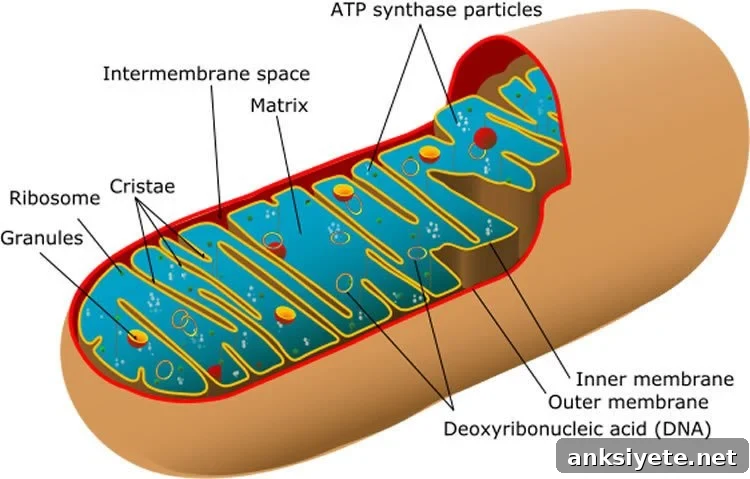
Summary: New research shows that cannabinoid-induced amnesia depends on activation of mitochondrial CB1 receptors in hippocampal neurons, which acutely reduces mitochondrial energy production and impairs memory-related synaptic function.
Source: University of the Basque Country.
Researchers have long known that plant-derived, synthetic and naturally produced cannabinoids act on type‑1 cannabinoid receptors (CB1) to suppress neurotransmitter release. More recently, it was discovered that CB1 receptors are not only present on the neuronal cell surface but also localized within mitochondria, the organelles that generate cellular energy. A new study published in Nature advances this understanding by showing that the memory loss caused by cannabinoids requires activation of CB1 receptors specifically in hippocampal mitochondria—the subcellular location that directly links cannabinoid signaling to mitochondrial bioenergetics and memory formation.
Using a wide array of modern experimental methods, the investigators demonstrated that selectively removing CB1 receptors from hippocampal mitochondrial membranes prevents cannabinoid‑induced memory impairment. In mice, cannabinoids reduced mitochondrial movement within neurons and depressed synaptic transmission; these effects were absent when mitochondrial CB1 receptors were genetically eliminated. The work identifies a clear causal chain from mtCB1 activation to reduced mitochondrial respiration, impaired synaptic function and deficits in memory encoding.
The study reveals the intracellular signaling pathway responsible for these effects. Activation of mitochondrial CB1 receptors triggers intra‑mitochondrial Gαi protein signaling that inhibits soluble adenylyl cyclase (sAC). This inhibition lowers protein kinase A (PKA)‑dependent phosphorylation of specific subunits of the mitochondrial electron transport chain—most notably components of Complex I such as NDUFS2—resulting in decreased cellular respiration. Pharmacological inhibition of sAC, experimental manipulation of intra‑mitochondrial PKA signaling, or prevention of phosphorylation changes on Complex I subunits all blunt the bioenergetic and memory‑impairing actions of cannabinoids, supporting a mechanistic link between mitochondrial energy metabolism and cognitive function.
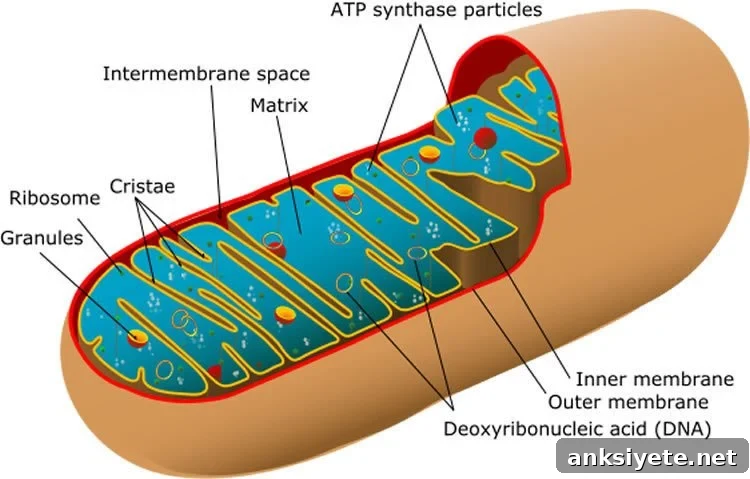
These findings place mitochondrial function at the center of how cannabinoids can acutely affect higher brain processes such as learning and memory. Dr. Pedro Grandes, one of the study authors, emphasized that while chronic mitochondrial dysfunction is already implicated in neurodegenerative diseases, strokes and age‑related disorders, this work highlights how acute modulation of mitochondrial energy production can rapidly alter cognitive function. The researchers also note that similar cannabinoid effects on cellular respiration have been reported in skeletal and cardiac muscle, indicating that mtCB1‑dependent bioenergetic modulation is not restricted to the brain.
From a therapeutic perspective, cannabinoids and their metabolites have acknowledged medical potential, but their clinical use is constrained by adverse effects mediated by CB1 activation, including memory deficits. The new results suggest a strategy for developing safer cannabinoid‑based treatments: selectively targeting CB1 receptor subpopulations or specific neuronal compartments—such as avoiding mitochondrial CB1 activation in the hippocampus—could preserve therapeutic benefits while reducing cognitive side effects. Dr. Grandes further acknowledged the lengthy, collaborative effort behind the study and the supporting institutional funding that made the research possible.
Source: Matxalen Sotillo – University of the Basque Country
Image Source: NeuroscienceNews.com image (illustrative)
Original Research: “A cannabinoid link between mitochondria and memory” by Etienne Hebert‑Chatelain, Tifany Desprez, Román Serrat, Luigi Bellocchio, Edgar Soria‑Gomez, Arnau Busquets‑Garcia, Antonio Christian Pagano Zottola, Anna Delamarre, Astrid Cannich, Peggy Vincent and colleagues, published in Nature. DOI: 10.1038/nature20127. Published online November 9, 2016.
Abstract (paraphrased)
Brain activity relies on high mitochondrial energy supply to support neuronal signaling and plasticity. Acute cannabinoid exposure produces amnesia in humans and animals, and CB1 receptors localized to mitochondrial membranes (mtCB1) can directly modulate mitochondrial energetics. This study shows that acute cannabinoid‑induced memory impairment in mice requires activation of hippocampal mtCB1 receptors. Genetic removal of CB1 from hippocampal mitochondria prevents cannabinoid‑induced reductions in mitochondrial mobility, synaptic transmission and memory formation. mtCB1 receptors engage intra‑mitochondrial Gαi proteins to inhibit soluble adenylyl cyclase (sAC), which lowers PKA‑dependent phosphorylation of specific electron transport chain subunits and reduces cellular respiration. Targeting sAC activity, intra‑mitochondrial PKA signaling, or phosphorylation of Complex I subunits blocks the bioenergetic and amnesic consequences of cannabinoids. These results show that G protein‑coupled mtCB1 receptors regulate memory by modulating mitochondrial energy metabolism, demonstrating that acute changes in bioenergetics are primary regulators of cognitive processes.
Pedro Grandes has recently served as a Visiting Professor at the University of Victoria, British Columbia, where he conducted research and taught medical and postgraduate students.