
Scientists have found evidence that the brain temporarily turns off a memory-suppressing program to allow new memories to form.
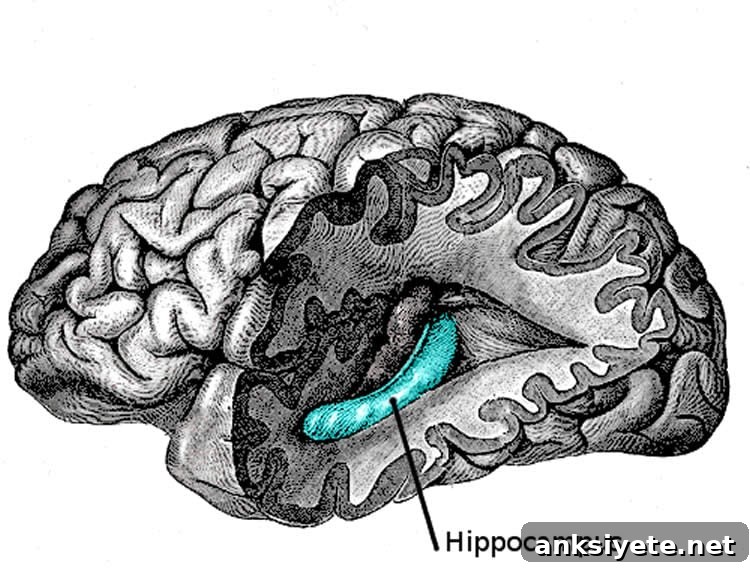
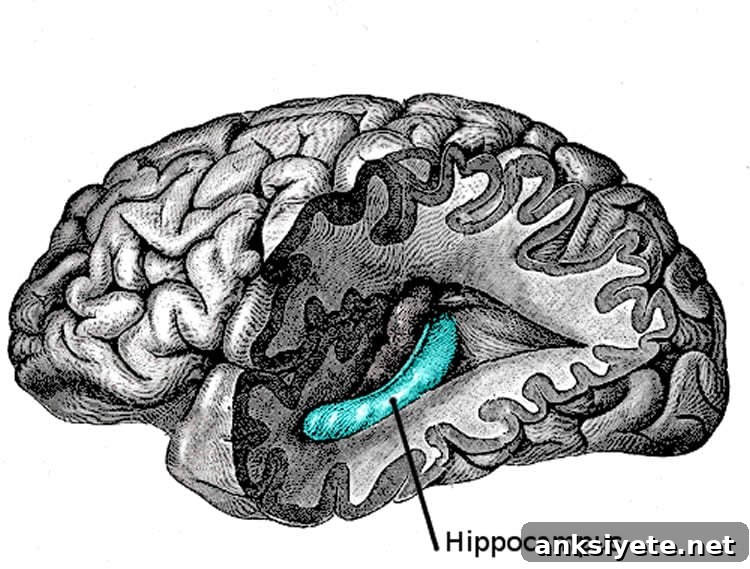
In 1953, Henry Molaison underwent surgery that removed much of his hippocampus to treat severe epileptic seizures. The operation eliminated his seizures but also left him unable to form new long-term memories. Molaison’s case was pivotal in identifying the hippocampus as a central structure for long-term memory, and it has guided decades of research into how memories are encoded in the brain.
While the hippocampus is widely recognized as critical for memory, the detailed molecular events that occur during the creation of new memories have been less clear. Researchers at the IBS Center for RNA Research and the Department of Biological Sciences at Seoul National University used genome-scale methods to examine those processes in the mouse hippocampus and reported their findings in Science.
The team applied ribosome profiling (RPF) together with RNA sequencing (RNA-seq) to measure which mRNAs are actively being translated into protein in the hippocampus, and how those patterns change after a learning event. Ribosome profiling is a sensitive, quantitative technique that captures ribosome-protected mRNA fragments, providing a snapshot of translation across the transcriptome. It allows researchers to detect dynamic shifts in protein synthesis that are not apparent from measuring mRNA levels alone.
Contrary to the common assumption that memory formation requires broad upregulation of protein synthesis, the investigators observed robust repression of some translational programs in the hippocampus. In particular, genes encoding ribosomal subunits—components of the cellular machinery that translate mRNA into protein—were translationally suppressed. The researchers also found that the overall level of translating ribosomes in the hippocampus was lower than in several other organs examined, including liver, testis, and kidney.
To investigate how translation and transcription change during memory formation, the team compared hippocampal samples from mice subjected to contextual fear conditioning with samples from untrained control mice. They profiled tissues at short intervals after conditioning—5 minutes, 10 minutes, 30 minutes—and again at 4 hours. The data revealed two distinct waves of repression. An early, transient wave of translational regulation emerged within 5–10 minutes after conditioning, and a later phase manifested as reduced mRNA abundance beginning around 30 minutes and persisting through the 4-hour time point.
These observations suggest that memory formation involves not just activation of genes, but also coordinated removal of inhibitory influences. Some genes appear to act as “memory suppressors” under baseline conditions and must be down-regulated to permit consolidation of new memories. The study identified several candidates that undergo rapid translational repression after learning. One of these, Nrsn1, was singled out as a potential suppressor of long-term memory formation; another example was the estrogen receptor ESR1, whose activation in the hippocampus was shown to impair memory formation in the experimental context.
The study’s central idea is that the hippocampus maintains a default state that suppresses unnecessary or spurious memory formation, and that learning triggers a rapid relief of that suppression so relevant information can be encoded. As lead investigator Jun Cho summarized, the work highlights the potential importance of negative gene regulation—active repression and removal of inhibitors—in the processes of learning and memory.
Ribosome profiling was essential to these conclusions because it provided direct, quantitative measurements of translation across the genome in brain tissue, a first for studies of memory formation at this scale. By revealing changes at the level of protein synthesis that are distinct from changes in mRNA abundance, RPF clarified how translational control can act quickly after learning. Going forward, the method can be applied to other neural circuits, time points, and behavioral paradigms to broaden our understanding of translation-dependent regulation in the nervous system.
Overall, this research underscores the complexity of gene regulation during memory formation and points to the need for new experimental approaches to uncover the inhibitory and repressive mechanisms that must be turned off for memories to form. Understanding both the positive and negative regulatory events in the hippocampus will improve our picture of how experiences are encoded, stored, and retrieved.
Source: IBS
Image Source: Public domain image
Original Research: Multiple repressive mechanisms in the hippocampus during memory formation — study published in Science by Jun Cho and colleagues (abstract and citation information available in the scientific literature).