Positive Psychology Conferences 2026-27: Dates and Locations

featured 25494

This page lists upcoming positive psychology conferences for 2025 and 2026. Below you will find dates, locations, formats, approximate prices where available, and concise descriptions of each event so you can decide which gatherings are most relevant for your research, practice, or professional development. If you are interested in presenting or speaking, each conference entry … Read more

How Action Video Games Boost Visual and Memory Learning

featured 78476

Summary: Researchers report that action-packed video games help players learn new tasks more quickly by improving perceptual and cognitive processing. Source: University of Wisconsin-Madison New research shows that playing video games rich in fast-paced action can improve how quickly people learn a variety of new tasks. The study suggests these games sharpen perceptual and cognitive … Read more

Retinal Pigment Measurement Could Signal Early Alzheimer’s

featured 22937

Results to be showcased internationally in the Journal of Alzheimer’s Disease. Researchers at the Macular Pigment Research Group (MPRG) at Waterford Institute of Technology (WIT), supported by European Research Council (ERC) funding, have published findings that strengthen the case for using macular pigment as a non-invasive biomarker of cognitive health. The study links macular pigment … Read more

Could a Genetic Variant Explain Alzheimer’s?

featured 11090

What if we could identify a inherited cause of Alzheimer’s disease and take steps to lessen its impact? New genetic research from the University of Kentucky brings that possibility closer. Scientists at the UK Sanders-Brown Center on Aging have reported new findings in Alzheimer’s genetics in a paper published in the Journal of Neuroscience. Their … Read more

Interpersonal Psychotherapy (IPT): A Case Study

featured 20062

How often do you find that relationships are your main source of stress, sadness, or worry? If your answer is “often,” Interpersonal Psychotherapy (IPT) may offer a practical and evidence-based way forward. IPT is a brief, attachment- and relationship-focused therapy designed to help people resolve interpersonal problems that contribute to mood disorders such as depression. … Read more

How to Tell If a Smile Is Fake or Genuine

featured 47105

Summary: Researchers report that smiles can either reduce or raise physical stress depending on how they are interpreted. Source: Bar Ilan University. Sweaty palms, a racing heart, a shaky voice—many people find public speaking distressing. Anticipation of social evaluation activates multiple bodily systems connected to stress, and it especially engages the hypothalamic-pituitary-adrenal (HPA) axis, the … Read more

Study Finds New Genes Linking Autism and Heart Defects

featured 78601

Summary: By jointly analyzing genetic sequencing data from individuals with congenital heart disease and autism, researchers discovered 23 genes associated with congenital heart defects, 12 of which were not previously reported. Source: PLOS Scientists have identified nearly two dozen genes that contribute to congenital heart defects by combining genetic data from people born with heart … Read more

Why Your Brain Rewards You Twice During Every Meal

featured 53070

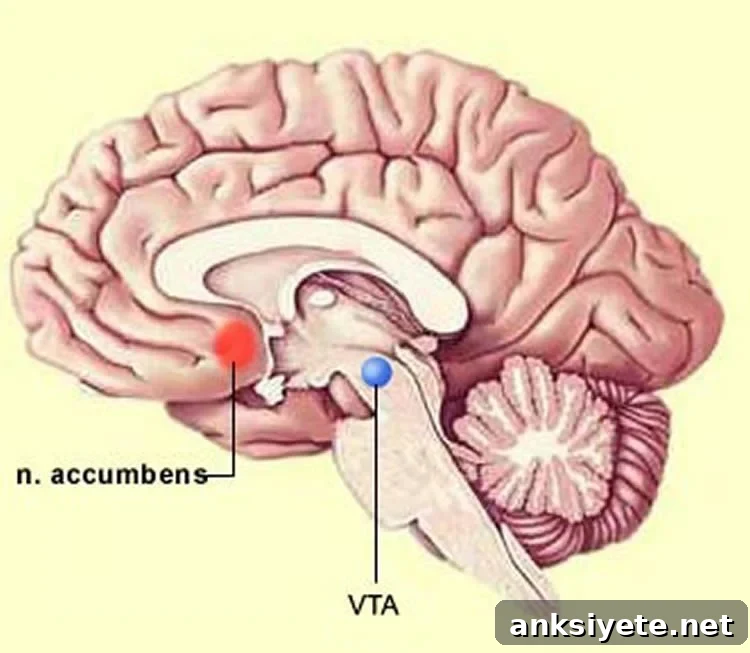
Summary: Researchers report that eating triggers dopamine release in the human brain at two distinct times—first when food is tasted and again after it reaches the stomach. Source: Cell Press. New research from the Max Planck Institute for Metabolism Research in Germany shows that dopamine, a key neurotransmitter involved in pleasure and motivation, is released … Read more

17+ Effective Therapeutic Activities and Therapy Exercises

featured 138627

Most therapeutic approaches benefit when clients complete structured homework or take-home exercises between sessions. These activities help translate insights from sessions into everyday change, reinforce new skills, and accelerate progress toward treatment goals. Research has repeatedly shown that homework is a reliable mechanism for producing clinical improvement across many conditions (for example, in depression and … Read more

Study Links Repetitive Behaviors in Autism to Gut Issues

featured 69598

Summary: New research identifies a relationship between repetitive behaviors common in autism and gastrointestinal (GI) problems. The study also reports that greater overall autism symptom severity is linked to more severe constipation, stomach pain, and other GI issues, while social and communication challenges showed no clear connection to GI symptoms. Source: Ohio State University Researchers … Read more