Why Taste, Not Fullness, Determines Food Choices

featured 98501

Summary: A new UCSF study challenges the longstanding idea that signals from the stomach are the primary controllers of meal termination. The research shows that taste—the mouth’s immediate sensory feedback—plays a leading role in rapidly curbing how quickly and how much we eat, while slower gut signals provide longer-lasting satiety. This finding reframes how scientists … Read more

Psychedelic Trips vs Near-Death Experiences: Key Differences

featured 95893

Summary: This study compares a documented near-death experience (NDE) that occurred during a coma with a later psychedelic session using the powerful endogenous compound 5-Methoxy-DMT (5MeO-DMT). Researchers identify overlapping themes such as ego dissolution and the transcendence of space and time, while also noting distinctive elements—particularly life review, encounters with deceased loved ones, and a … Read more

How Prozac Could Rewire the Brain’s Rigid Neural Circuits

featured 113044

Summary: A new study finds that fluoxetine (commonly known as Prozac) does more than raise serotonin levels: it alters how certain brain cells manage energy and rebuild connections. After two weeks of treatment, parvalbumin-expressing interneurons in the prefrontal cortex showed reduced molecular markers of rigidity, with decreased expression of mitochondrial energy genes and increased expression … Read more

Study: Recovery and Thriving After Mental Illness and Addiction

featured 81695

Summary: New research challenges common assumptions by showing that a prior history of mental health disorders or substance use does not necessarily prevent people from recovering and living high-functioning, fulfilling lives. Source: APS Background: Much of the existing research on mental illness has concentrated on chronic or recurring mood and anxiety disorders and substance-use problems … Read more

AI Predicts Pediatric Brain Tumor Recurrence

featured 109116

Summary: Researchers have developed an artificial intelligence (AI) model that analyzes sequences of post-treatment brain MRIs to predict tumor recurrence in children with gliomas. Using a temporal learning approach that interprets subtle changes across multiple scans taken over time, the model substantially improves prediction accuracy compared with conventional single-scan methods. In their multicenter study, investigators … Read more

Study Finds Multiple Chronic Conditions Double Depression Risk

featured 109900

Summary: A new analysis of UK Biobank data shows that people living with multiple long-term physical conditions face a significantly higher risk of developing depression. Researchers who examined health records from more than 142,000 adults found that certain combinations of chronic illnesses—especially cardiometabolic conditions such as heart disease combined with diabetes—more than doubled the likelihood … Read more

How Infants Map New Communicative Sounds to Meaning

featured 25043

Infants can recognize and use new communicative signals in their environment A recent study from Northwestern University reveals that the remarkable flexibility adults show in creating new ways to communicate — such as smoke signals or Morse code — is already present in infancy. The research demonstrates that 6-month-old babies can identify a novel sound … Read more

New Study Finds Targets for Treating Schizophrenia

featured 61894

Summary: Targeting a single negative symptom of schizophrenia—avolition, or reduced motivation—can produce wider improvements across other negative symptoms, according to new analysis of clinical trial data. Source: University of Georgia New analysis by a University of Georgia research team led by psychologist Gregory Strauss shows that therapies aimed at avolition may improve the broader constellation … Read more

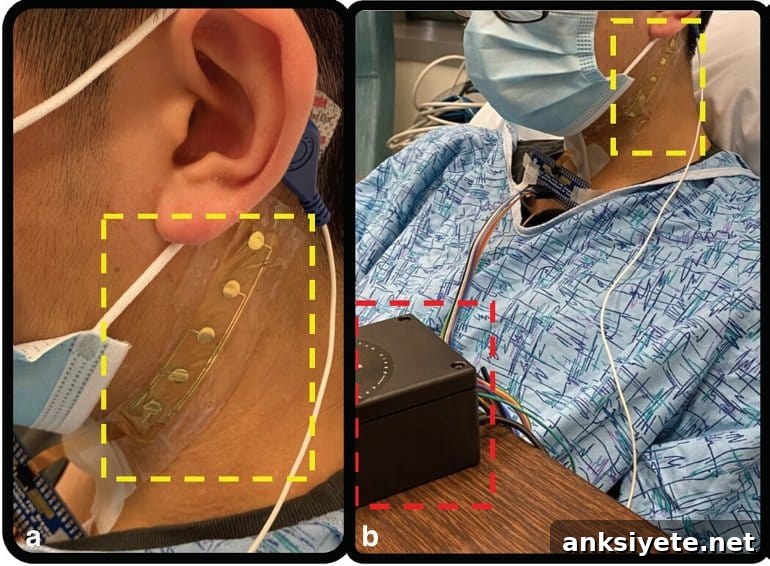
New Device Measures Nerve Activity to Treat Sepsis and PTSD

featured 88052

Summary: A new, non-invasive wearable device measures cervical nerve activity to support more personalized care for conditions such as PTSD and sepsis. Source: UCSD A multi-campus research team has introduced a flexible, adhesive electrode array that non-invasively records cervical nerve activity in humans. Reported in Scientific Reports, the device—designed for cervical electroneurography—could enable more tailored … Read more

How Beer Changes Perception of Beauty

featured 45822

Summary: An eye-tracking study finds that intoxicated young men spend less time looking at women’s faces and more time focusing on sexualized body regions compared with sober men. Source: University of Nebraska–Lincoln. Drink, Gaze and Perception: How Alcohol Shapes Visual Attention Popular culture has long suggested that men change how they look at women after … Read more