
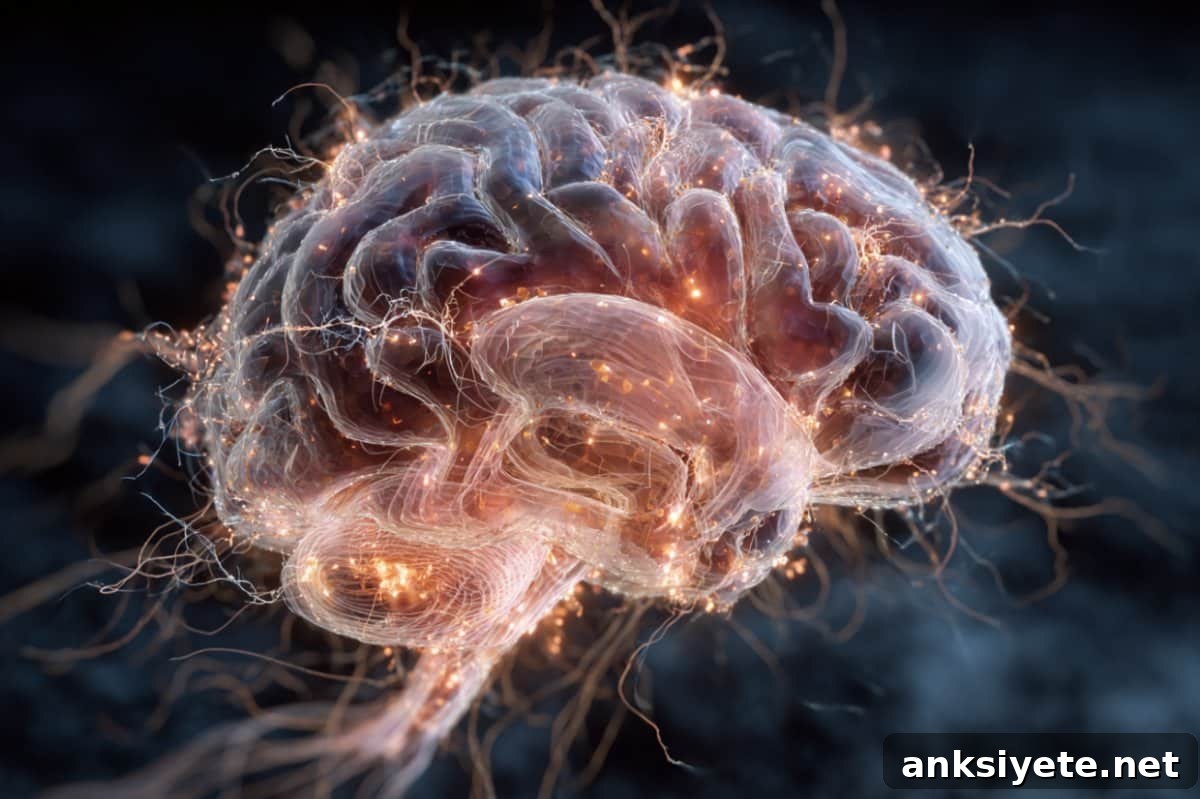
Summary: A new study finds that fluoxetine (commonly known as Prozac) does more than raise serotonin levels: it alters how certain brain cells manage energy and rebuild connections. After two weeks of treatment, parvalbumin-expressing interneurons in the prefrontal cortex showed reduced molecular markers of rigidity, with decreased expression of mitochondrial energy genes and increased expression of genes linked to plasticity.
The extracellular perineuronal nets that normally limit circuit flexibility also weakened, creating conditions that may allow neural networks to adapt more readily. Together, these effects suggest fluoxetine may help treat depression by temporarily shifting the brain into a more plastic, adaptable state that supports recovery.
Key Facts
- Cellular Target: Fluoxetine reduces biochemical rigidity in parvalbumin-expressing interneurons.
- Mitochondrial Shift: Expression of genes involved in mitochondrial ATP production declines while plasticity-related transcripts increase.
- Plasticity Boost: Perineuronal nets are weakened, potentially permitting circuit remodeling.
Source: University of Eastern Finland
Overview
Researchers from the University of Eastern Finland and the University of Helsinki report that chronic fluoxetine treatment induces coordinated changes in gene expression, mitochondrial features, and structural markers in parvalbumin-positive interneurons of the prefrontal cortex (PFC). Rather than acting solely through serotonin signaling, fluoxetine appears to create a cellular environment that is more permissive to synaptic reorganization and circuit rewiring.
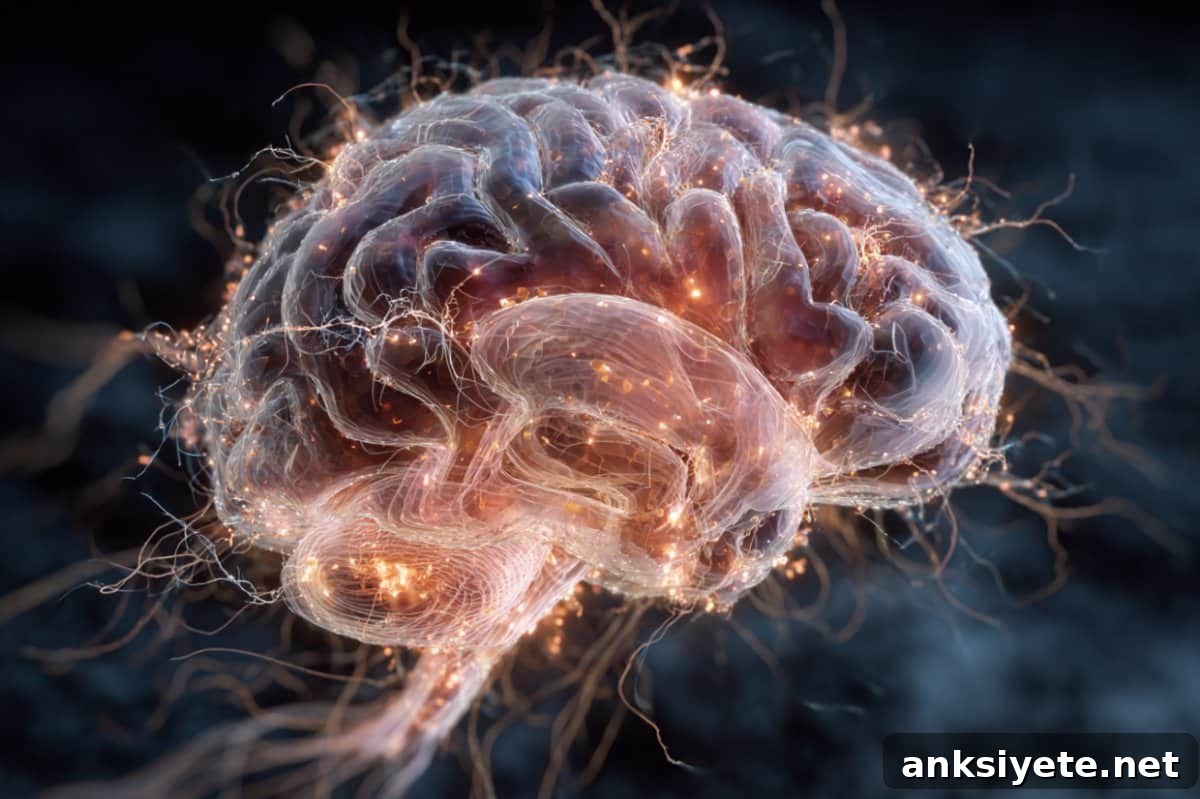
The investigators used cell type–specific transcriptome profiling to examine molecular changes after two weeks of fluoxetine exposure. They focused on parvalbumin (PV) interneurons, a class of GABAergic cells that provide strong inhibitory control and help maintain network stability in cortical circuits. In treated animals, transcriptional programs in these PV interneurons shifted away from energy-intensive mitochondrial pathways toward genes associated with synaptic signaling and structural plasticity.
Specifically, pathways involved in mitochondrial ATP production and ribosomal function were downregulated, while pathways linked to phosphatase activity, ion channel regulation, and cytoskeletal remodeling were upregulated. At the same time, immunohistochemical analyses revealed reduced parvalbumin protein expression and a weakening of perineuronal nets in particular PFC subregions—changes commonly associated with enhanced plasticity.
Mitochondrial measurements produced a nuanced picture: although transcript levels for mitochondrial components fell, some markers such as TOMM22 showed modest increases in specific PFC areas, and mitochondrial DNA expression was higher in fluorescence-activated cell sorted PV cells. Intracellular ATP concentrations remained stable, suggesting compensatory mechanisms that preserve cellular energy while allowing transcriptomic remodeling.
These coordinated molecular and structural adjustments may temporarily reduce inhibitory rigidity and open a window for cortical circuits to reorganize. That is clinically relevant because depression has been linked to overly stable or inflexible network states that resist change. By shifting PV interneurons toward a more plastic configuration, fluoxetine could facilitate behavioral and cognitive changes that support recovery.
The study also highlights potential biomarkers that could help monitor or predict treatment response, such as transcriptional signatures of mitochondrial function and the integrity of perineuronal nets. Further work is needed to determine the precise causal relationships among these changes and how they relate to therapeutic outcomes in humans.
“These findings suggest a broader view of how antidepressants may aid recovery: beyond altering mood through neurotransmitter systems, they may reshape cellular energy use and the physical scaffolding of neurons to give circuits the flexibility needed to rewire,” says the study leader, Senior Researcher Juzoh Umemori from the University of Eastern Finland.
Fluoxetine is widely marketed as Prozac and is available globally under multiple brand names.
About this neuropharmacology and neuroplasticity research news
Author: Maj Vuorre
Source: University of Eastern Finland
Contact: Maj Vuorre, University of Eastern Finland
Image: Credit to Neuroscience News
Original Research: Open access. “Chronic treatment with fluoxetine regulates mitochondrial features and plasticity-associated transcriptomic pathways in parvalbumin-positive interneurons of prefrontal cortex” by Juzoh Umemori et al. DOI: 10.1038/s41386-025-02219-8
Abstract (summary)
Chronic fluoxetine treatment, a commonly prescribed selective serotonin reuptake inhibitor (SSRI), promotes neural plasticity and has now been shown to affect PV-positive interneurons in the prefrontal cortex. Using PV-IRES-Cre-driven reporter mice and Translating Ribosome Affinity Purification (TRAP), the study identified changes across roughly 50 biological pathways: mitochondrial and ribosomal pathways were downregulated while pathways supporting synaptic and structural plasticity were upregulated. Complementary assays indicated region-specific changes in mitochondrial markers, stable intracellular ATP, reduced PV expression, and weakened perineuronal nets—together pointing to a plasticity-permissive state in select PFC PV interneurons. These coordinated transcriptional and structural adaptations may underlie region-specific shifts in cortical inhibition and contribute to the behavioral effects associated with fluoxetine treatment.