Why Dog and Owner Heart Rates Sync During Interaction

featured 105981

Summary: A new study finds that dogs and their owners display synchronized heart rate variability (HRV), reflecting shared emotional states—especially during calm, restful interactions. Researchers discovered that heart rate and physical activity levels adapt between dogs and owners, but emotional synchrony—measured via HRV—was strongest when both were relaxed. Larger dogs tended to have higher HRV, … Read more

What Drives People to Numbness and Suicide?

featured 49932

Summary: Researchers examine why suicide rates may be rising in the United States, arguing that suicidality often involves more than a narrow mental health diagnosis and is tied to broader social and substance-use factors. Source: The Conversation Suicide rates in the U.S. have increased by nearly 30 percent in less than two decades, according to … Read more

How Your Brain Decides if an Experience Feels Pleasant

featured 34517

Summary: Researchers have identified a neural mechanism that helps the brain decide whether a complex social situation feels emotionally positive or negative. Source: University of Haifa and Max Planck Institute for Human Cognitive and Brain Sciences How the Brain Decides If a Complicated Social Situation Is Pleasant or Unpleasant Researchers from the Max Planck Institute … Read more

Why Older Adults Often Help Strangers

featured 41521

Summary: A new study finds that older adults are more likely than younger adults to give to strangers, suggesting that increased generosity in later life may support emotional reward and a strengthened sense of purpose. Source: NUS. Greater generosity in later life may provide emotional gratification and a stronger sense of purpose for older adults … Read more

Immunotherapy Breakthrough Offers Hope for Brain Cancer

featured 102039

Summary: Researchers at UCLA have identified a combination immunotherapy that markedly strengthens the immune response in patients with malignant gliomas. By pairing a personalized dendritic cell vaccine with the immune stimulant poly-ICLC, the treatment enhances dendritic cell function and T cell activity, showing promise against this aggressive brain tumor. Malignant gliomas are aggressive, fast-growing brain … Read more

Could Depression Be Raising Your Period Pain?

featured 106587

Summary: New genetic research indicates that depression can raise the risk of menstrual pain (dysmenorrhea), with sleep problems likely acting as an important mediator. Using Mendelian randomization and large-scale genomic data, researchers found evidence that depression is more likely to cause period pain than to be caused by it. The results underline the need to … Read more

How the Brain’s Auto-Correct Fixes Ambiguous Sounds

featured 50925

Summary: Researchers report that the brain re-evaluates its interpretation of speech sounds the moment later sounds are heard, updating perceptions as necessary. Source: NYU Researchers have identified an “auto-correct” mechanism in the brain that revises how ambiguous speech sounds are perceived as additional context arrives. Published in the Journal of Neuroscience, the study reveals how … Read more

How Protein Mutations Cause Familial Alzheimer’s Disease

featured 12320

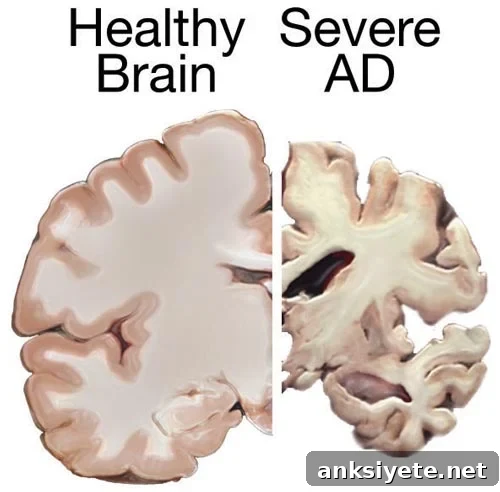
Novel genomic approach reveals gene mutation isn’t simple answer. Researchers at the University of California, San Diego School of Medicine have used precise genetic engineering of human induced pluripotent stem cells to dissect how a key mutated protein contributes to familial Alzheimer’s disease (AD). Their results show that a straightforward loss-of-function of the protein does … Read more

Genetic Syndrome Ties Brain Development to Neurodegeneration

featured 104913

Summary: Researchers have identified a previously undescribed genetic syndrome caused by a homozygous mutation in the SPAG9 gene that affects both brain development and later neurodegeneration. The team linked this mutation to intellectual disability, early speech delays and a pattern of progressive cognitive decline, alongside structural and functional disruptions visible on neuroimaging. Magnetic resonance imaging … Read more

New Tool Reveals Insights into Parkinson’s Disease

featured 20130

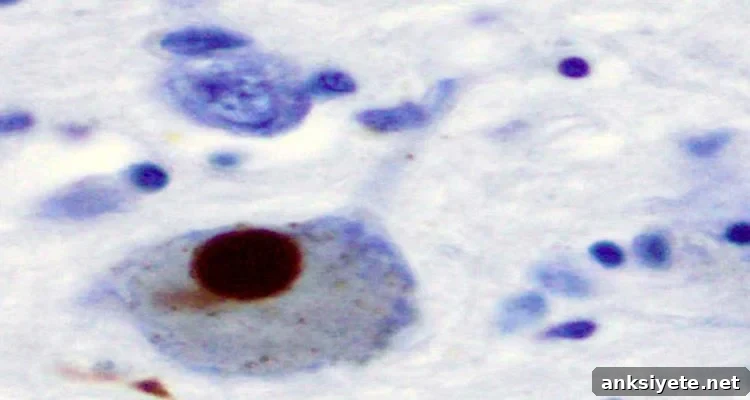
EPFL researchers have developed a precise method to recreate the chemical modification of the protein linked to Parkinson’s disease. This technique offers a clearer path to study how these modifications affect disease processes and can be adapted to other proteins and conditions. Parkinson’s disease is associated with the accumulation of the protein alpha-synuclein inside nerve … Read more