How a Gene Variant Raises Schizophrenia Risk

featured 64470

Summary: Duplication of chromosome region 16p11.2 alters multiple types of GABA-producing inhibitory neurons in brain regions implicated in schizophrenia — including the prefrontal cortex, hippocampus and amygdala — and leads to cognitive and social impairments that resemble symptoms of the disorder. Source: Lancaster University Genetic change linked to higher schizophrenia risk points to new drug … Read more


New Brain Circuit Identified That Forms Memories During Sleep

featured 60419

Summary: New research from the University of Alberta shows that the nucleus reuniens, a small thalamic region, coordinates synchronous slow-wave activity between the prefrontal cortex and the hippocampus during deep sleep. These findings indicate the nucleus reuniens may be essential for sleep-dependent memory consolidation. Source: University of Alberta Neuroscientists at the University of Alberta have … Read more

When 3 Months Suddenly Feel Just Around the Corner

featured 47980

Summary: A new study explores how absolute and relative time estimates can diverge and what influences those differences. Source: University of Toronto Have you ever felt that an upcoming event is “right around the corner” while a calendar check shows it’s actually months away? New research finds that our subjective sense of when things will … Read more

How Pornography Affects Men and Women Differently

featured 100421

Summary: A large international study investigated problematic pornography use (PPU) across 42 countries, surveying more than 82,000 people of varied genders and sexual orientations. The research shows that while most adults have viewed pornography, a measurable minority—around 3% by one assessment—experience patterns of use that cause significant life disruptions. Despite these consequences, few affected individuals … Read more

Researchers Find Blood Biomarkers for PTSD

featured 91859

New Study Identifies Four Blood Biomarkers Linked to PTSD Risk, Diagnosis and Treatment Response Summary: A large prospective study shows four blood-based biomarkers — glycolytic ratio, arginine, serotonin and glutamate — display distinct patterns in service members with current or emerging post‑traumatic stress disorder (PTSD). These markers have potential for screening, diagnostic support and monitoring … Read more

Respond Quickly to Build Trust and Credibility

featured 71418

Summary: The longer someone hesitates before answering a question, the less sincere their reply appears to others. Source: APA Research finds that even a brief pause before answering makes responses seem less sincere and less credible than immediate answers. Across a series of controlled studies, the longer a person delayed their reply, the more likely … Read more

Emerging Remyelination Therapies for Damaged Nerve Cells

featured 69155

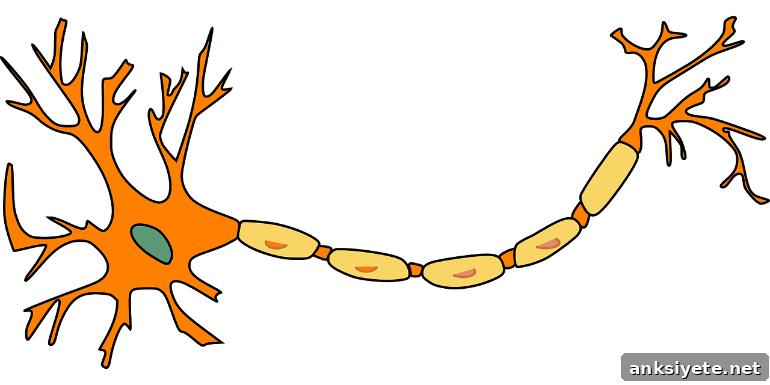
Summary: Researchers have identified a two-pronged strategy that restores myelin on regenerated axons in a mouse model of optic nerve injury. These results may inform future approaches to treat conditions driven by myelin loss, including multiple sclerosis. Source: Children’s Hospital of Boston Myelin, the fatty insulating layer that wraps axons, is essential for rapid nerve … Read more

Nightmare Disorder in Adults: Treatment Options and Therapies

featured 49679

Treatment Options for Nightmare Disorder in Adults: A Summary of the AASM Position Summary: Experts identify several therapeutic approaches and medications that can help manage nightmare disorder in adults. Overview The American Academy of Sleep Medicine (AASM) has published a position paper outlining recommended and optional treatments for nightmare disorder in adults. The paper highlights … Read more

How Memories Form at the Synaptic Level

featured 109721

Summary: EPSILON, a new experimental technique, lets researchers map the proteins that underlie memory formation with unprecedented precision. By tracking AMPA-type glutamate receptors (AMPARs) over time, EPSILON reveals how synaptic strength changes during learning and how those changes are organized across the brain. Using sequential fluorescence labeling and high-resolution microscopy in behaving mice, the research … Read more

DASH Diet Linked to Lower Memory Loss in Women

featured 97714

Summary: New research shows that women who followed the DASH diet in midlife—designed to lower blood pressure—were about 17% less likely to report memory problems and other subjective signs of cognitive decline decades later. This finding matters for public health because women account for more than two-thirds of Alzheimer’s disease cases. As Alzheimer’s prevalence among … Read more