5 Key Facts About Mass Shootings in the U.S.

featured 48881

Summary: A new study examines common misconceptions that arise after mass shootings and aims to correct several widely held myths. Source: The Conversation. At least 10 students were killed at a Santa Fe, Texas high school on May 18 after a classmate opened fire with a shotgun and a .38-caliber revolver. The Santa Fe massacre … Read more

Math Models Explain Alzheimer’s Targeting of Brain Regions

featured 111920

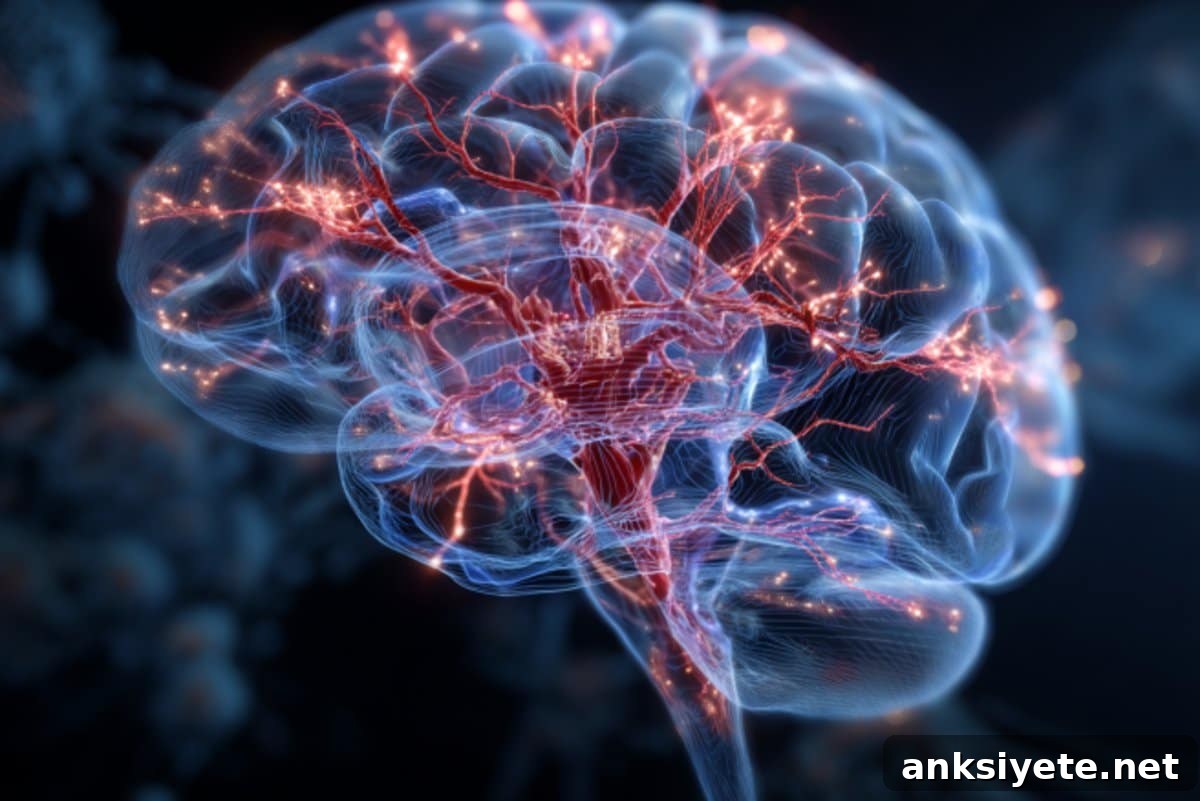
Summary: Alzheimer’s disease advances unevenly across the brain. New mathematical modeling developed by researchers at The University of Texas at Arlington and collaborators at UCSF helps explain why certain regions deteriorate faster while others resist damage. Their extended network diffusion model simulates how tau protein accumulates and spreads along brain connections and identifies genes that … Read more

New Antiviral Breakthrough Offers First Hope Against COVID-19

featured 63903

Summary: Researchers at Cornell University report that the fusion peptides of SARS-CoV and SARS-CoV-2 are highly similar (approximately 93% sequence identity). Their work shows that calcium ions bind the fusion peptide and change its structure and membrane interactions in ways that promote viral entry. These findings highlight the fusion peptide and the membrane fusion process … Read more

Mapping Brain Immune Cells Reveals How to Block Melanoma Spread

featured 116941

Summary: Melanoma is one of the most aggressive forms of skin cancer and shows a pronounced tendency to spread to the brain. Once melanoma establishes metastases in the central nervous system, many standard immunotherapies become far less effective. To address this challenge, a multidisciplinary team at Yale is shifting attention from the tumor itself to … Read more

Study Identifies Genetic Variant Linked to Autism

featured 34970

Summary: Researchers examined the sequences of more than 650 genes linked to autism and identified genomic features that set them apart from other brain-related genes. Possible Genetic Basis for Autism Identified by Ben-Gurion University Researchers Ben-Gurion University of the Negev (BGU) researchers have moved closer to clarifying the genetic underpinnings of autism spectrum disorder (ASD). … Read more

Activating Neural Stem Cells for Brain Regeneration

featured 71306

Summary: The enzyme Pr-set7 activates dormant neural stem cells, enabling them to re-enter the cell cycle and produce neurons. Source: Duke-NUS Medical School Researchers using Drosophila larvae have identified a critical role for the conserved enzyme Pr-set7 in reawakening quiescent neural stem cells so they can proliferate and generate new neurons. A study published in … Read more

Oxytocin Boosts Social Bonds in Chimpanzees

featured 37644

Summary: A new study finds that oxytocin strengthens social bonds among chimpanzees and helps group members support one another during violent encounters with rival groups. Source: Max Planck Institute Oxytocin boosts in-group affiliation during violent intergroup conflicts in chimpanzees. Why individuals accept the risks and costs of fighting for their group has long puzzled researchers. … Read more

Rare Neurological Disorder Linked to COVID-19 in 21 Countries

featured 73524

Summary: Researchers have documented a notable cluster of acute transverse myelitis (ATM) cases associated with COVID-19. ATM is an inflammatory disorder of the spinal cord that can cause spinal cord lesions, paralysis, and bowel or bladder dysfunction. Source: Houston Methodist Researchers working with Houston Methodist have conducted an international review that identified 43 cases of … Read more

Laughter Benefits: How Laughing Improves Your Life

featured 47918

Summary: Researchers report that humor can improve certain outcomes, but its effectiveness depends on the goals you are trying to reach. Source: University of Arizona. Can Laughter Improve Our Lives? Why do humorous dating profiles get more right swipes? Can being funny help solve problems? Is laughter really the best medicine? Humor and a satisfying … Read more

Study: Long-Term TCE Exposure Tied to 70% Higher Parkinson Risk

featured 93703

Summary: A large new study finds a strong association between long-term exposure to trichloroethylene (TCE) and an elevated risk of Parkinson’s disease—about a 70% higher risk among veterans exposed to contaminated water at Marine Corps Base Camp Lejeune. Researchers compared medical records for roughly 160,000 Navy and Marine veterans who served at two large bases … Read more