
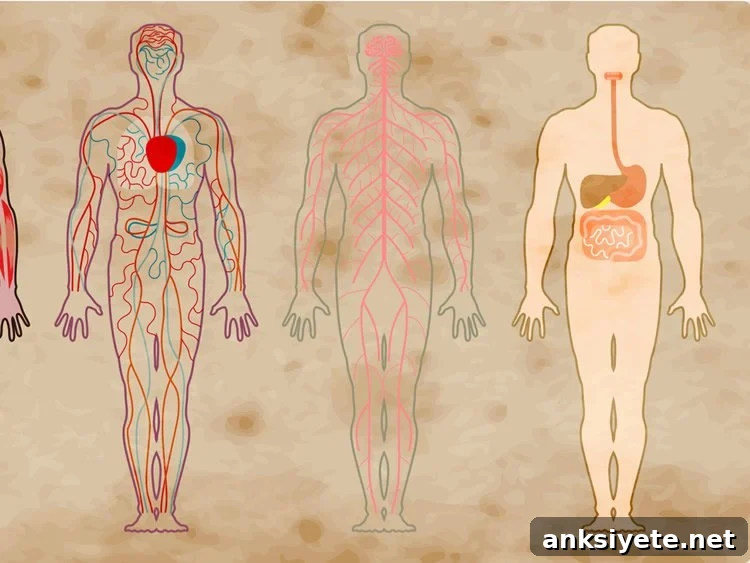
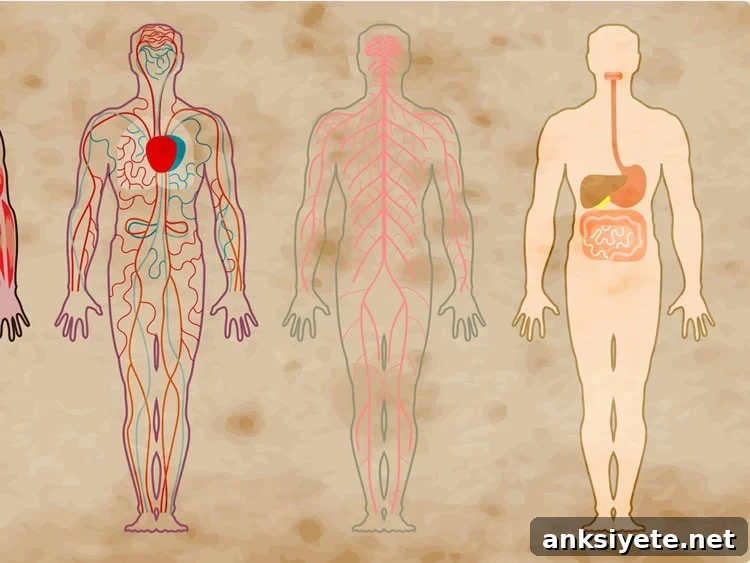
Summary: Researchers argue schizophrenia should not be seen only as a mental disorder. New research shows the condition is associated with an overactive immune system and measurable physical changes across the body.
Source: The Conversation.
Schizophrenia is typically described as a disorder of the mind that affects a person’s thinking, feelings and behaviour. Recent research, however, indicates the illness can involve measurable changes in organs beyond the brain, suggesting schizophrenia may be a whole-body condition.
For many years clinicians have observed that people diagnosed with schizophrenia experience substantially higher rates of physical illness than the general population. This poor physical health contributes to a striking reduction in life expectancy: people with schizophrenia commonly die 15 to 20 years earlier than average.
Until recently, these physical problems were often viewed as secondary consequences of severe mental illness. Antipsychotic medications, for example, are known to increase the risk of weight gain and type 2 diabetes. In addition, debilitating psychiatric symptoms can make it harder for people to maintain healthy lifestyles, increasing the likelihood of poor diet and reduced physical activity.
But more recent studies have uncovered physiological differences in people with schizophrenia very early in the course of illness, even among those who have not yet received medication. These include signs of an activated immune system and altered metabolic and hormonal profiles. Such findings have prompted researchers to ask whether schizophrenia should be understood as a disorder that affects the whole body rather than only the brain.
To explore this question, researchers pooled data from multiple studies that measured markers across the body at illness onset and compared those findings with measures of brain structure and function taken in the same populations. The body measures included markers of inflammation, hormone levels, and cardiovascular risk factors such as blood glucose and cholesterol. Brain measures included structural imaging, concentrations of certain brain chemicals, and markers of brain activity.
The combined analysis showed that early-stage schizophrenia is associated with clear alterations in brain structure and brain activity. Importantly, it also showed multiple changes in peripheral physiology. Using statistical methods to estimate the size of these effects, the analysis found that the magnitude of body-wide changes was comparable to the magnitude of changes detected within the brain at illness onset. These results support the idea that schizophrenia is not limited to the brain and that physical health should be considered part of the disorder.
Three possible explanations
There are three plausible ways to interpret the association between brain alterations and physical changes in schizophrenia.
First, processes outside the brain could directly drive brain changes and contribute to psychosis. A clear example is when certain cancers produce antibodies that mistakenly attack brain tissue, triggering psychotic symptoms; treating the underlying tumor can reverse the psychiatric symptoms in those cases.
Second, the experience and physiological stress of psychosis could produce downstream physical problems. For example, prolonged stress elevates cortisol, a steroid hormone linked to weight gain, glucose dysregulation and higher blood pressure. In this way, psychiatric symptoms could contribute to poorer cardiometabolic health.
Third, brain and body changes may arise independently from shared early-life or genetic risk factors. For example, severe prenatal nutritional deprivation has been associated with higher adult risk of both schizophrenia and metabolic disorders. In such cases, the same early exposure could separately alter brain development and metabolic regulation, producing two distinct outcomes from a common cause.
Work still to be done
More research is needed to determine whether peripheral physiological changes are a cause or a consequence of schizophrenia. One useful approach is to study people at high risk for developing psychosis and track whether body-wide changes precede, coincide with, or follow the emergence of psychiatric symptoms. Longitudinal studies that monitor both physical and mental health over time will help clarify the sequence of events.
Research should also examine how peripheral markers change with fluctuation in psychiatric symptoms and whether interventions that target physical health early in illness can improve both mental health outcomes and long-term survival. This is particularly important because most premature deaths in people with schizophrenia are attributable to cardiovascular disease, and life expectancy in this population has shown little improvement in recent decades.
Addressing physical health from the earliest stages of schizophrenia may therefore be vital. Integrating medical and psychiatric care, screening for metabolic and cardiovascular risk factors, and offering preventive interventions could reduce morbidity and mortality and improve overall outcomes for people with schizophrenia.
Source: Toby Pillinger – The Conversation
Publisher: Organized by NeuroscienceNews.com.
Image source: Image adapted from the original news release.
Suggested citation: The Conversation (2018). “Schizophrenia Affects Your Body, Not Just Your Brain.” NeuroscienceNews.com. Published May 12, 2018.