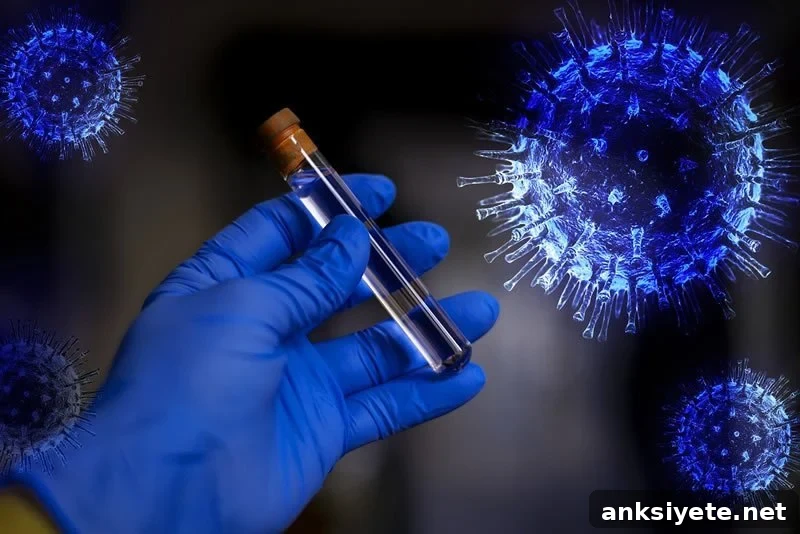
Summary: Researchers at Cornell University report that the fusion peptides of SARS-CoV and SARS-CoV-2 are highly similar (approximately 93% sequence identity). Their work shows that calcium ions bind the fusion peptide and change its structure and membrane interactions in ways that promote viral entry. These findings highlight the fusion peptide and the membrane fusion process as promising targets for antiviral development against coronaviruses.
Source: Cornell University
Cornell researchers identify a potential antiviral target in coronavirus entry
Teams at Cornell University have pinpointed a molecular feature of coronaviruses that could be exploited to block infection. Focusing on the spike protein’s fusion peptide — the short segment of the viral spike that directly engages and merges with host cell membranes — the researchers compared fusion peptide sequences and analyzed how chemical factors influence fusion. Their comparative analysis found the fusion peptides of SARS‑CoV and SARS‑CoV‑2 are approximately 93% identical, suggesting a conserved mechanism that could be targeted across related viruses.
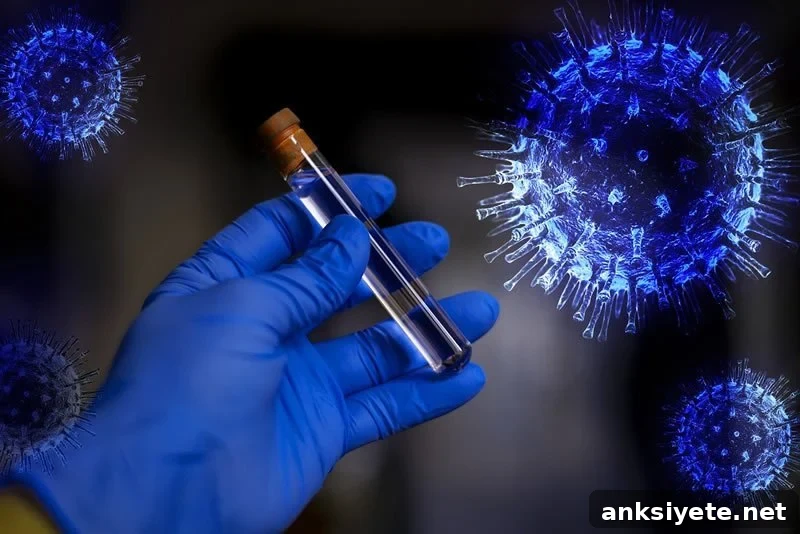
The research emerged from collaboration between two complementary labs: Susan Daniel’s group, which studies the biophysical properties of membrane-enveloped systems, and Gary Whittaker’s group, which investigates how respiratory viruses such as influenza and coronaviruses enter cells. Together, they are dissecting the membrane fusion process that enables coronaviruses to transfer their genome into host cells — the decisive step in viral infection.
How membrane fusion enables coronavirus infection
Viral membrane fusion is a regulated, multistep process. First, the virus recognizes and binds an appropriate host cell receptor via its spike protein. After receptor engagement and sensing the cellular environment, the spike undergoes structural changes that expose the fusion peptide. This peptide inserts into the host membrane and mediates merging of the viral and cellular lipid bilayers, creating a fusion pore through which the viral genome passes into the host cytoplasm.
This genome delivery effectively hijacks the host cell’s molecular machinery to produce new viral particles. Because each step in this entry pathway is essential for infection, elements like the fusion peptide and the molecular cues that trigger fusion present attractive opportunities for therapeutic intervention.
Calcium’s role and implications for broad antiviral strategies
The Cornell team found that calcium ions interact with the fusion peptide and alter both its conformation and its membrane behavior in SARS and MERS coronaviruses. These calcium-dependent structural changes promote the peptide’s capacity to destabilize membranes and facilitate fusion. Since SARS‑CoV‑2 shares a highly similar fusion peptide sequence with SARS‑CoV, the same calcium‑sensitive mechanisms are likely relevant, making the fusion peptide a conserved and druggable target across multiple coronaviruses.
Understanding how calcium and other chemical cues regulate the fusion peptide may clarify why some coronaviruses efficiently infect human respiratory tissues and how zoonotic transmission occurs. Detailed knowledge of these molecular events can also guide design of broad-spectrum antivirals that block fusion or of antibodies that bind the fusion peptide to prevent membrane insertion and pore formation.
Next steps and funding
Based on their findings, the researchers have secured supplemental support from the National Institutes of Health (NIH) Research Project Grant program to advance development of an antibody that could interfere with the fusion peptide and block viral entry. Such an antibody, if effective, could serve as a therapeutic or a lead for small-molecule inhibitors aimed at the conserved fusion mechanism.
About this COVID‑19 research
Media contacts:
Gillian Smith – Cornell University
Original research: Open access. Title: “Coronavirus Membrane Fusion Mechanism Offers a Potential Target for Antiviral Development.” Susan Daniel et al. Published in Antiviral Research. DOI: 10.1016/j.antiviral.2020.104792.
Abstract (summary)
The global COVID‑19 pandemic has underscored the urgent need for effective countermeasures against SARS‑CoV‑2 and other pathogenic coronaviruses. Researchers are therefore investigating conserved steps in the coronavirus replication cycle that may be vulnerable to inhibition. The fusion domain of the coronavirus spike protein and the membrane fusion mechanism are highly conserved across the CoV family, making them attractive targets for pan‑coronavirus therapeutics. This work reviews the role of the spike protein in mediating membrane fusion, summarizes research on SARS‑CoV, MERS‑CoV and recent studies of SARS‑CoV‑2, and proposes that blocking the fusion mechanism could be a viable antiviral strategy. Supplementary materials provide background on coronavirus biology, epidemiology, clinical features and a phylogenetic overview of human‑infecting coronaviruses.
The conserved nature of the fusion peptide, its dependence on local chemical cues such as calcium, and its central role in viral entry combine to make membrane fusion an appealing and actionable target for antiviral development. Continued study of the fusion process and efforts to generate agents that block fusion — including antibodies and small molecules — are promising directions for reducing the threat posed by current and future coronavirus outbreaks.