Lack of Sleep Raises Pain Sensitivity, Blunts Brain Pain Relief
featured 53916

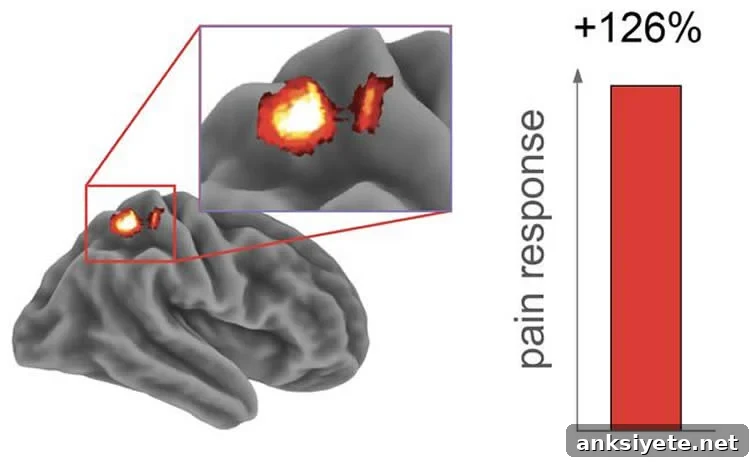
Summary: Researchers report that sleep deprivation intensifies and prolongs pain. Source: UC Berkeley. Poor sleep does more than leave us tired — it can amplify and prolong physical pain by disrupting key brain circuits that detect pain and trigger the body’s natural pain relief, according to researchers at the University of California, Berkeley. Published in … Read more

Shared Neural Circuits Underlie Parental Care in Voles

featured 75437

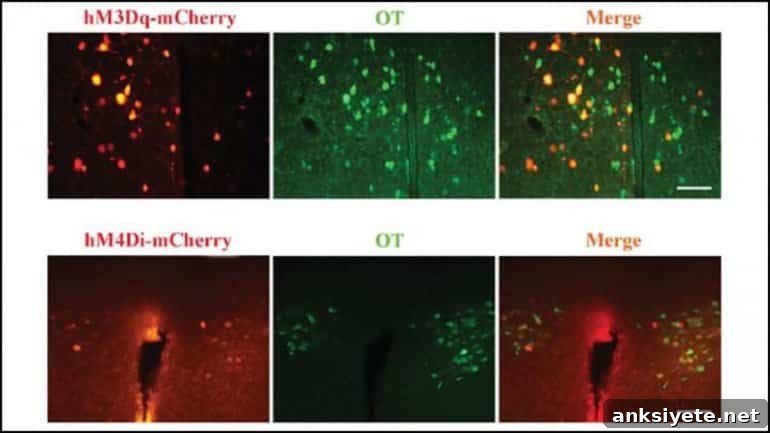
Summary: Connections from oxytocin-producing neurons in the hypothalamus to dopamine neurons in the brain’s reward circuitry drive parental care in both male and female mandarin voles. Source: SfN New research published in the Journal of Neuroscience shows that, as in females, oxytocin circuits linking the hypothalamus with reward centers promote active paternal behaviors in male … Read more

D Factor Scale: New Measure of Distractibility in ADHD

featured 97796

Summary: Researchers have identified a statistical measure they call the “d factor” that appears to capture a person’s overall tendency to be distracted. The d factor also shows meaningful associations with self-reported ADHD symptoms and with hyperfocus, an intense, prolonged form of concentration sometimes reported by people with ADHD. In an analysis of responses from … Read more

Big Five Personality Traits Show Few Changes Early in COVID-19

featured 66978

Summary: A study of personality traits during the early phase of the COVID-19 pandemic found only minor shifts, with a small decline in neuroticism. Source: PLOS Researchers report that most adults showed little change in the “Big Five” personality traits during the initial weeks of the COVID-19 outbreak in the United States. Angelina Sutin and … Read more

Why Signers Have Faster Reactions and Wider Peripheral Vision

featured 38823

Summary: A University of Sheffield study finds that people who use British Sign Language (BSL) show faster peripheral visual reaction times, with deaf adults demonstrating the greatest advantage. Source: University of Sheffield Using British Sign Language is linked to quicker visual reaction times in the peripheral field, according to new research from the University of … Read more

Overlooked Proteins Could Improve Alzheimer’s Diagnosis

featured 83363

Summary: Researchers identify a fragmented, caspase-6–cleaved form of tau that accumulates in neurons in Alzheimer’s disease and could improve diagnosis and provide a new therapeutic target. Source: UCSF Researchers at the University of California, San Francisco report that a previously underappreciated form of the tau protein—tau that has been truncated into fragments—is abundant in the … Read more

Sleep Deprivation Impairs Face Recognition Accuracy

featured 34892

Summary: New research shows that poor sleep reduces the accuracy of facial identification and may increase the risk of confident but incorrect identifications. Source: University of Glasgow. Identifying unfamiliar people by comparing face images is a common and vital task—for example matching CCTV images to a mugshot or checking a passport photograph against a traveller … Read more

How to Recognize a Person’s True Self

featured 40201

Summary: New research from Texas A&M shows a strong connection between perceptions of morality and how well we think we know someone’s “true self.” Morality and Identity: How Perceptions of Goodness Shape Our Sense of Others’ True Selves Researchers at Texas A&M University report clear evidence that judgments about a person’s moral character are deeply … Read more

Disrupted Brain Networks Tie Cognitive Deficits to Mental Illness

featured 53168

Summary: A large meta-analysis identifies shared dysfunction in neurocognitive networks across multiple psychiatric disorders. Source: Elsevier. Researchers report consistent alterations in functional connectivity among three core brain networks involved in higher cognition—changes that appear across a range of psychiatric diagnoses and that map to regions linked with general cognitive performance. The findings, published in Biological … Read more

Why Being Mom’s Favorite Child Can Harm Your Mental Health

featured 25221

Being a mother’s favorite child does not guarantee better mental health, new research from Purdue University finds. Contrary to common assumptions, adult children who believe they are the most emotionally close to their mothers report higher levels of depressive symptoms. Jill Suitor, a professor of sociology, explains that perceiving oneself as the closest child can … Read more