
Summary: Researchers have uncovered a previously unknown molecular pathway that controls brain plasticity during early life and explains how critical periods close. The new work shows that the stress hormone cortisol functions like a biological clock: when released in response to sensory experience, it triggers a gene program in astrocytes that accelerates maturation of the neuronal extracellular matrix and locks neural connections into place.
The study links sensory-driven cortisol signaling to rapid changes in gene expression inside star-shaped glial cells called astrocytes. Those changes promote formation of perineuronal nets — rigid extracellular structures that reduce the formation and turnover of synapses — providing a mechanistic explanation for how heightened infant learning is wound down as development proceeds.
Key Facts
- The critical-period puzzle: After birth, the brain opens windows of heightened plasticity—critical periods—during which external experiences strongly shape neural circuits. How those windows close has remained an important open question in developmental neurobiology.
- Astrocytic cortisol signaling: Single-cell sequencing of mouse visual cortex revealed that sensory stimulation (light) drives release of corticosterone (the rodent equivalent of cortisol) from the adrenals. This blood-borne hormone selectively binds glucocorticoid receptors on astrocytes.
- Perineuronal net formation: Activation of astrocyte glucocorticoid receptors launches a program of more than 100 genes that accelerates maturation of the extracellular matrix around neurons, producing perineuronal nets that restrict synaptic plasticity.
- Reopening closed windows: Mice raised in darkness do not activate this pathway and show delayed critical-period closure. Conversely, genetically deleting glucocorticoid receptors from astrocytes in adult mice reopened previously closed critical periods and restored youthful plasticity.
- Human relevance: Reanalysis of an existing human single-cell dataset indicates a conserved astrocytic program that emerges in infancy and peaks around adolescence, suggesting similar timing in human brain development.
- Clinical implications: Because cortisol circulates systemically, this pathway may influence the timing of developmental events across brain regions and could be relevant to neurodevelopmental and neuropsychiatric conditions associated with disrupted maturation timing, such as autism, schizophrenia and bipolar disorder.
Source: Harvard
New insight into how critical periods close
Critical periods are developmental windows when the brain is exceptionally receptive to sensory input, allowing experience to sculpt circuits that persist into adulthood. While neuronal activity has long been known to drive circuit refinement, the environmental and molecular cues that actively terminate these windows have been less clear. New experiments in mice by researchers at Harvard Medical School reveal a mechanism by which sensory experience controls the timing of critical-period closure via cortisol signaling to astrocytes.
Using single-cell transcriptomics in the mouse primary visual cortex, the team compared animals exposed to normal light cycles with mice raised in darkness. Light exposure provoked adrenal release of corticosterone, which travels in the bloodstream and binds to glucocorticoid receptors specifically on astrocytes. This receptor engagement recruits chromatin changes that activate a coordinated astrocytic gene program, driving maturation of the extracellular matrix and formation of perineuronal nets that curtail synaptic remodeling.
In dark-reared mice the cascade did not occur, and critical-period features persisted longer. Strikingly, removal of astrocyte glucocorticoid receptors in adult mice caused the extracellular restraints to loosen and reopened critical-period plasticity, demonstrating that the timing mechanism is reversible in this model.
Analysis of available human single-cell data indicates that an analogous astrocyte glucocorticoid receptor program emerges during infancy and reaches high activity around adolescence, supporting a conserved role for this pathway in human brain maturation.
Digging into the molecular details
The gene program identified in astrocytes includes more than 100 genes that collectively promote extracellular-matrix maturation. The research team plans to systematically characterize these genes to determine how each contributes to extracellular assembly, perineuronal net formation, and the regulation of neuronal circuit stability. Understanding the individual roles of these genes will clarify how astrocytes shape the timing of plasticity and how environmental factors, including early-life stress, might shift that timing.
Early-life stress elevates cortisol levels; the authors note that abnormal activation of the astrocyte program by stress could alter developmental trajectories and potentially increase vulnerability to neuropsychiatric disorders. Conversely, manipulating this pathway may provide routes to reopen plasticity windows therapeutically, improving outcomes for conditions linked to atypical developmental timing.
Although the experiments focused on the visual cortex, cortisol circulates throughout the body and could activate the same astrocyte-driven program in other brain regions. If so, the mechanism may broadly influence maturation of circuits involved in learning and memory and across multiple functional domains.
Key questions answered
A: Sensory experiences trigger adrenal hormone release; cortisol (or corticosterone in rodents) binds astrocyte glucocorticoid receptors and activates a coordinated gene program. That program accelerates maturation of the extracellular matrix and forms perineuronal nets that physically limit synaptic remodeling, effectively ending periods of heightened plasticity.
A: Yes. In mouse models, deleting astrocyte glucocorticoid receptors in adulthood removed extracellular restraints and reopened previously closed critical periods, allowing experience-driven plasticity to return.
A: These disorders are associated with atypical timing of brain maturation. If the cortisol–astrocyte signaling pathway operates similarly in humans, understanding and selectively modulating it could explain why critical periods sometimes close too early or remain open too long and suggest therapeutic strategies to correct timing abnormalities.
Authorship, funding and disclosures
Authors include Bruno Gegenhuber, Takuma Sonoda, Lisa Traunmüller, Christopher P. Davis, Shon A. Koren, Eric C. Griffith, Chinfei Chen and Michael E. Greenberg, with collaboration from Boston Children’s Hospital.
Funding: Support came from the National Institutes of Health, Harvard fellowships and institutes, EMBO, the Human Frontier Science Program, the William Randolph Hearst Fund, the Harvard Mahoney Neuroscience Institute, the NSF Graduate Research Fellowship, and donations supporting the Greenberg Laboratory.
About this neurodevelopment and brain plasticity research news
Author: Katie Brace
Source: Harvard
Contact: Katie Brace – Harvard
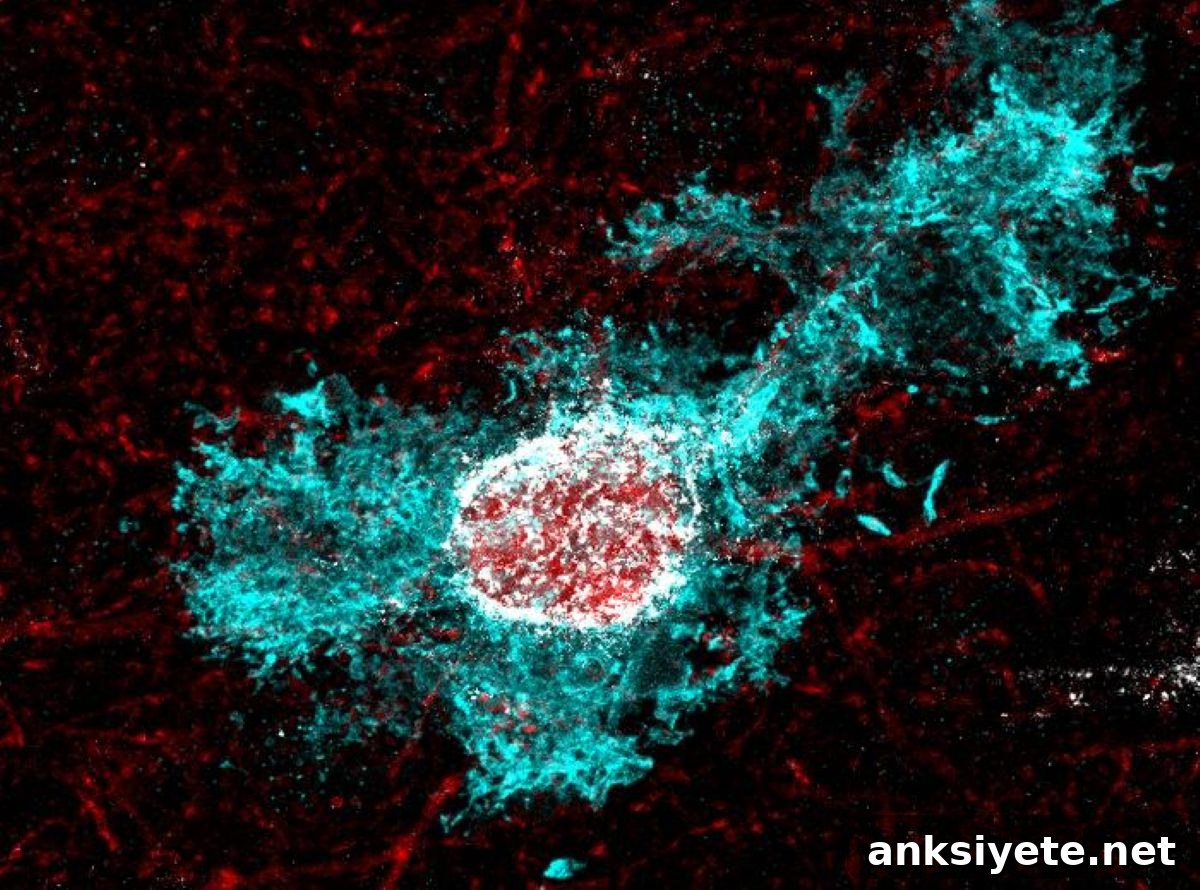
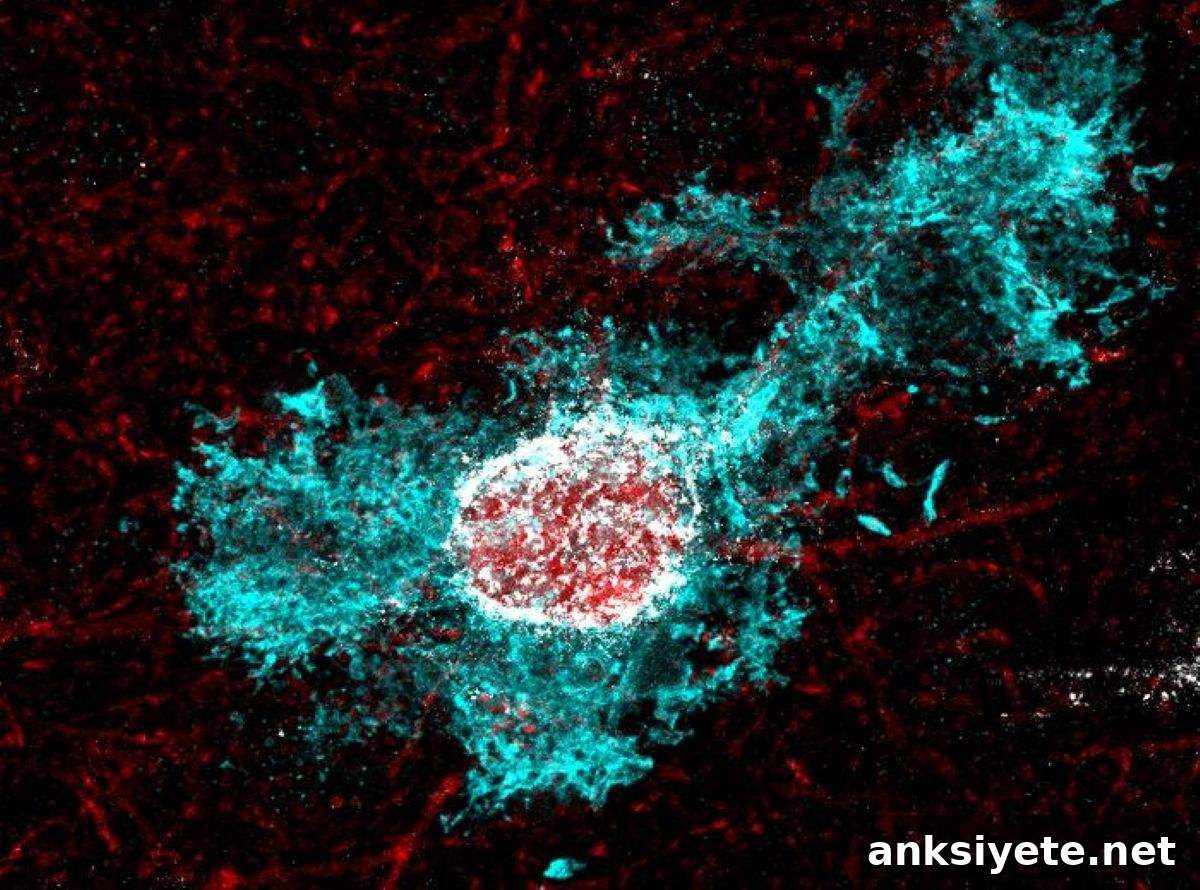
Image: The image is credited to Greenberg Lab
Original Research: Open access. “Astrocyte glucocorticoid receptor signalling restricts neuronal plasticity” by Bruno Gegenhuber, Takuma Sonoda, Lisa Traunmüller, Christopher P. Davis, Shon A. Koren, Eric C. Griffith, Chinfei Chen & Michael E. Greenberg. Nature. DOI: 10.1038/s41586-026-10512-9
Abstract
Astrocyte glucocorticoid receptor signalling restricts neuronal plasticity
Sensory experience refines neural circuits during critical periods of postnatal development. While neuronal activity guides circuit wiring, the environmental signals that curb developmental plasticity as animals mature have been less clear. Using paired single-cell transcriptomic and chromatin accessibility sequencing of the mouse primary visual cortex across postnatal development, the study identifies activity-dependent gene programs in multiple cortical cell types and shows that light exposure recruits the glucocorticoid receptor (Nr3c1) to chromatin specifically in astrocytes.
Astrocyte glucocorticoid receptor signaling activates an extensive regulatory program that is partially conserved in human development and promotes maturation processes that likely contribute to critical period closure. These findings reveal a mechanism by which astrocyte glucocorticoid receptor signaling restricts neuronal plasticity and suggest that glucocorticoid regulation of astrocyte maturation may mediate some effects of early-life stress and influence susceptibility to neuropsychiatric disease.