How Bodily Sensations Shape Conscious Feelings
featured 51061

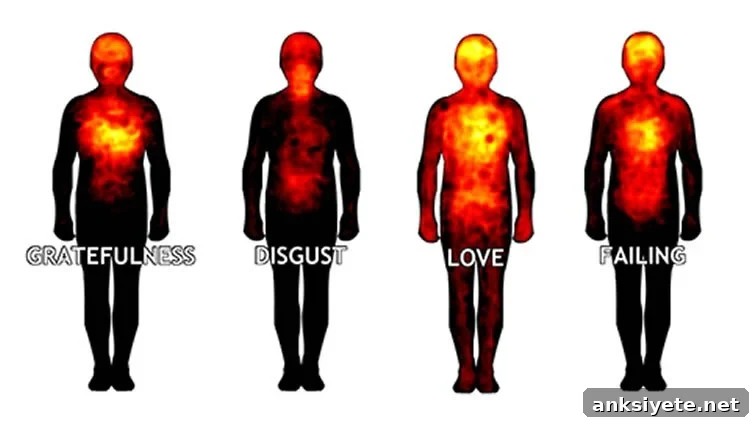
Summary: A new study finds that conscious feelings are strongly shaped by bodily feedback. Researchers mapped the structure of subjective feelings and found they cluster into five main categories: positive emotions, negative emotions, cognitive processes, somatic states, and illnesses. Source: University of Turku. People continuously experience a changing stream of subjective feelings, interrupted only during … Read more


Does Optimism Add Years to Your Life?

featured 83574

Summary: New research finds that women with higher levels of optimism tend to live longer and are more likely to reach age 90, across a racially and ethnically diverse cohort. Source: Wiley A large study published in the Journal of the American Geriatrics Society examined more than 159,000 women from a racially and ethnically diverse … Read more

Smoking Linked to Irreversible Brain Shrinkage After Quitting

featured 98970

Summary: New research shows that smoking is linked to measurable brain shrinkage and accelerated brain aging. Importantly, this loss of brain volume appears to be permanent—even after quitting—although stopping smoking prevents further decline. Analyzing health, imaging and genetic data from more than 32,000 people in the UK Biobank, researchers identified a clear pathway from genetic … Read more

Brain Sugar Chains Reveal New Pathway for Depression

featured 113187

Summary: Scientists have identified a molecular mechanism linking depression to abnormal sugar modifications on brain proteins. Chronic stress reduces sialylation—a stabilizing sugar modification—within the prefrontal cortex, weakening neural circuit stability and producing depressive symptoms. By manipulating the enzyme St3gal1, researchers demonstrated its central role: lowering St3gal1 produced depressive-like behaviors in mice, while restoring its levels … Read more

Unified Brain Blueprint for Early Brain Development

featured 100569

Summary: New research from the University of Minnesota shows that many different cortical regions share a common, modular organization during early development rather than being pre-specified for distinct functions. Using advanced optical imaging, the team found that neurons across sensory and association areas organize into synchronized, millimeter-scale networks. This discovery points to a universal early … Read more

Early Signs of Fetal Alcohol Syndrome Detected Before Birth

featured 65177

Summary: Exposure to alcohol very early in pregnancy can impede development of fetal brain regions involved in motor control. These changes are detectable before birth using in‑utero MRI techniques. Source: Oregon Health and Sciences University New in‑utero MRI images reveal the earliest detectable impairments to fetal brain development caused by maternal alcohol intake in a … Read more

Prosthetic Finger Offers Insight into Brain Function

featured 39789

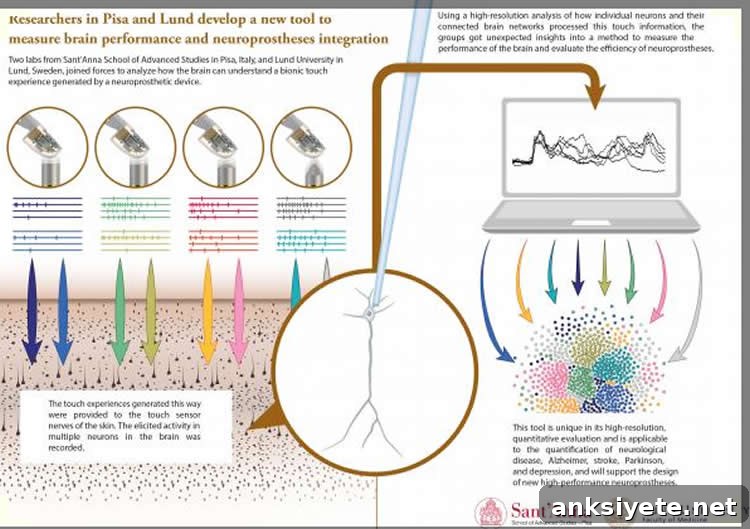
Summary: An experiment investigating how the brain interprets artificial touch delivered through a finger neuroprosthesis has produced new insights and a promising method for assessing brain health. Source: Lund University. Swedish and Italian researchers collaborated to study how the brain decodes a virtual sense of touch created by a finger prosthesis with artificial sensation. Unexpectedly, … Read more

LSD Microdosing Study Finds No Clinical Benefit

featured 80645

Summary: New controlled research finds no clear evidence that LSD microdosing improves mood or cognitive performance. Source: University of Chicago Advocates of LSD microdosing—regularly taking very small amounts of the psychedelic—often report improved mood, focus and creativity. A new University of Chicago study, however, found no reliable benefits to mood or cognitive function when low … Read more

Holiday Stress: Embracing Tough Emotions for Greater Resilience

featured 98584

Summary: December’s festive season often brings extra stress and disappointment, challenging the cultural expectation that the holidays must be only joyful. New research indicates that how we respond to unpleasant emotions—whether we accept them or judge them—plays a central role in mental health. Accepting negative feelings as natural and temporary, rather than labeling them as … Read more

Are Men Wired to Choose Sex Over Food? What Science Says

featured 17349

When animals must choose between two important drives—feeding and mating—the decision can reveal how brain circuits prioritize behavior. New research in nematode worms shows that male brains can suppress food-seeking to prioritize mate-searching, offering a clear example of how sex-specific neural regulation shapes behavior. The work, published in the journal Current Biology, highlights how subtle, … Read more