Mouse Study Eradicates Human Brain Tumor Cells
featured 11448

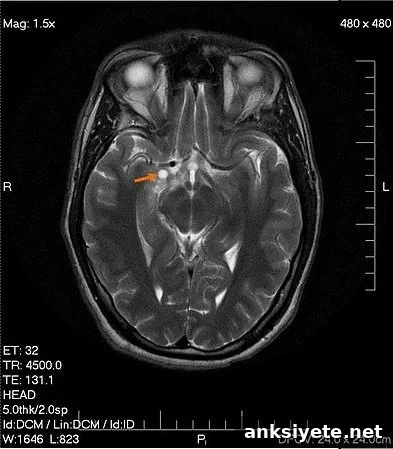
Working with mice, researchers at Johns Hopkins found that weeks of treatment with a repurposed, FDA-approved drug stopped growth and ultimately eliminated detectable human brain tumor cells implanted from adult patients. The team targeted a specific mutation in the IDH1 gene first identified in glioma brain tumors by Johns Hopkins researchers in 2008. This single-letter … Read more


How Disgust Protects You From Germs and Illness

featured 71707

Summary: Feeling disgusted or queasy when you encounter unpleasant sights, smells, or tastes may be an evolved response that helps protect people from infection by encouraging avoidance of potential sources of pathogens. Source: Washington State University New research published in the Proceedings of the National Academy of Sciences on Feb. 15 suggests that disgust plays … Read more

Ultrasound Videos Reveal Tongue Mechanics in Gaelic Speech

featured 84998

Summary: Ultrasound recordings of Gaelic speakers reveal how the tongue moves forward and backward to create distinctive speech sounds, offering new visual insight into Gaelic phonetics. Source: Lancaster University The first publicly available ultrasound recordings of Gaelic provide a unique, inside view of tongue shapes produced during speech. A curated set of these recordings is … Read more

How Dopamine Drives Early Heroin Addiction

featured 52190

Summary: New research identifies a key role for dopamine in the early stages of heroin addiction. The study shows that heroin triggers dopamine release in the brain’s reward circuitry, and that silencing dopamine neurons reduces heroin self-administration in mice, suggesting dopamine is required for the initial reinforcing effects of opioids. Source: eLife. Researchers have clarified … Read more

Diet Changes That Slow Aging Without Cutting Calories

featured 96597

Summary: A simple dietary switch—without reducing calories—can shift cells onto a healthier aging trajectory. In experiments on yeast, replacing a glucose-rich medium with galactose produced molecular and physiological changes that reduced markers of cellular aging, suggesting diet composition, not just calorie intake, can influence healthy aging. These findings challenge the long-standing emphasis on calorie restriction … Read more

Mild Exercise Immediately Boosts Memory, Study Finds

featured 51506

Summary: New research shows that brief, light physical activity—such as yoga, tai chi, or a short walk—can rapidly strengthen communication between brain areas involved in forming and storing memories. Source: UC Irvine. Incorporating a short, gentle bout of exercise into your day may help you remember everyday details—like where you left your keys. Scientists at … Read more

How Grief Alters Neuroendocrine Biomarkers

featured 66927

Summary: Cortisol and other neuroendocrine markers change in people facing bereavement, with potential implications for physical and mental health. Source: Wiley Researchers reviewed existing evidence on the neuroendocrine effects of grief and considered whether biological markers can help predict complicated or prolonged grief following the death of a loved one. The results are published in … Read more

Children’s Eye Movement Patterns Predict Early Depression Risk

featured 117705

Summary: Researchers have identified a robust, bidirectional link between depressive symptoms in children and where they direct their visual attention. In a two-year, multiwave study of 242 children and their mothers, investigators used precise eye-tracking technology to measure how long children looked at happy, sad, or angry faces compared with neutral expressions. The results show … Read more

Subtle Cognitive Decline Predicts Alzheimer’s Progression

featured 62346

Summary: Cognitive test performance can help predict which individuals with normal amyloid-beta levels are likely to progress to abnormal, Alzheimer’s-associated amyloid accumulation. Source: UCSD Researchers at the University of California San Diego School of Medicine report that subtle differences in cognitive performance—such as recalling fewer words on a memory test—can indicate early, clinically meaningful accumulation … Read more

Howard Eichenbaum, PhD: Sweater-Vest Icon of Memory Research

featured 44684

My journey to becoming an “Eichenbaumer” began on April 1, 2005. After my interview at Boston University, a fellow applicant emailed to say he had been denied admission because of funding shortages. Panicked, I wrote to Howard to tell him how much I wanted to join his lab and work with him. He replied immediately: … Read more