How the Brain Filters Background Noise When We Speak

featured 106674

Summary: Researchers have mapped how the brain suppresses background noise during speech by tracing fast electrical signals between the motor and auditory cortices. These millisecond-long transmissions—called auditory corollary discharge—originate in the ventral motor cortex (precentral gyrus) and travel to the auditory cortex’s superior temporal gyrus, helping the brain distinguish self-generated speech from external sounds. This … Read more

Researchers Uncover Achilles’ Heel in Brain Cancer

featured 49342

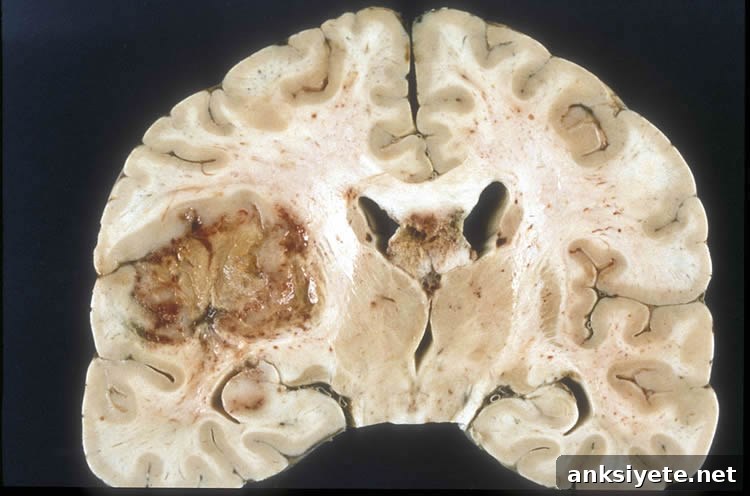
Summary: A new study in PNAS reports that blocking the expression of MDA-9/Syntenin causes glioma stem cells to lose their ability to trigger protective autophagy. Source: Virginia Commonwealth University. Researchers at Virginia Commonwealth University report the identification of a potential “Achilles heel” in glioblastoma multiforme (GBM), the most aggressive and fatal form of brain cancer. … Read more

Insomnia and Under-6-Hour Sleep Linked to Cognitive Impairment

featured 68447

Summary: Middle-aged adults who report chronic insomnia or sleep durations under six hours show about double the likelihood of measurable cognitive impairment compared with those who sleep well. The link is stronger when cardiometabolic conditions are present. Source: Penn State Middle-aged adults who describe symptoms of insomnia and who sleep less than six hours per … Read more

Parkinson’s Symptoms Map to Different Brain Pathways

featured 73031

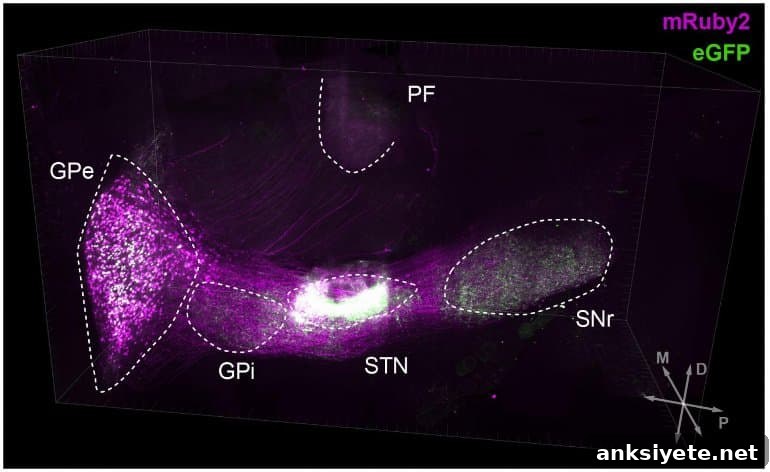
Summary: Specific, identifiable neural pathways undergo functional changes at different progressive stages of Parkinson’s disease, linking distinct circuits to particular motor and cognitive symptoms. Source: UCSD Parkinson’s disease (PD) is a progressive neurological disorder that progressively impairs movement and, often early on, affects non-motor functions such as cognition. Although the hallmark of PD is loss … Read more

New Brain Cell Discovered That Boosts Learning

featured 50268

Hippocampal OLM Cells Regulate Memory Encoding and Learning Summary: New research shows that OLM (oriens-lacunosum moleculare) interneurons in the hippocampus can modulate memory encoding. These findings clarify how a single cell type within memory circuits can influence learning and may inform future approaches to counteract memory loss in dementia. Source: Uppsala University. Researchers at Uppsala … Read more

RNA discovery may explain why women face higher depression risk

featured 64485

Summary: Long non-coding RNAs (lncRNAs) show strong, region- and sex-specific changes in depression. The primate-specific lncRNA LINC00473 is reduced in the prefrontal cortex of depressed women but not men. Experimental evidence links LINC00473 to female resilience to stress and helps explain part of the higher prevalence of depression in females. Source: Mount Sinai Hospital Researchers … Read more

Sex Differences in Brain Control of Blood Glucose

featured 66982

Summary: Researchers have identified a female-specific neural mechanism in mice that can change estrogen’s role in glucose metabolism from protective to harmful. Source: Tufts University Researchers at Tufts University School of Medicine and Tufts Graduate School of Biomedical Sciences report a sex-specific neural mechanism in mice that can flip estrogen’s impact on glucose regulation. Published … Read more

Tiny Worm Study Probes Whether Parkinson’s Starts in the Gut

featured 91029

Summary: Researchers are using the transparent worm C. elegans to investigate the growing hypothesis that Parkinson’s disease can begin in the gut and later spread to the brain. Source: Medical College of Georgia at Augusta University A tiny roundworm, Caenorhabditis elegans (C. elegans), is helping scientists probe an increasingly studied idea: Parkinson’s disease may originate … Read more

New Genetic Variants Influence Late-Onset Alzheimer’s Risk

featured 69734

Summary: Researchers have identified 216 gene variants that appear to influence the development of late-onset Alzheimer’s disease. Source: Baylor College of Medicine Late-onset Alzheimer’s disease (LOAD) is the most common form of dementia among older adults, affecting tens of millions worldwide. Despite extensive research, the genetic contributors that increase or reduce risk for LOAD remain … Read more

Fragile X Syndrome: New Mechanism Explains Symptoms

featured 34560

Summary: A recent study uncovers a different mechanism contributing to neuronal hyperexcitability in fragile X syndrome and points to new, more specific treatment targets. Source: WUSTL. In wake of clinical trial failure, new treatment targets identified For years researchers believed that fragile X syndrome, the most common inherited cause of intellectual disability in the United … Read more