How Cannabis Relieves Pain Without Causing Addiction
featured 38350

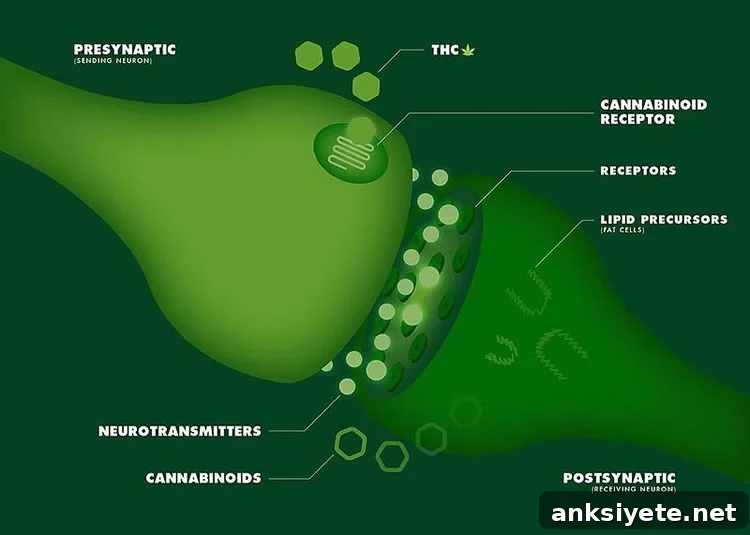
Summary: New research points to developing treatments for chronic inflammatory pain that target cannabinoid receptors, offering pain relief while reducing the risk of addiction. Source: OHSU Journal of Neuroscience study explores medicinal properties of cannabis and the endocannabinoid system Researchers at Oregon Health & Science University (OHSU) report findings that support the development of therapies … Read more


How Artificial Neural Networks Reveal Human Brain Circuitry

featured 76194

Summary: Researchers introduce a new computational framework that uses advanced artificial intelligence to clarify how perception and memory interact in the human brain. Source: Stanford Neuroscience remains a young science compared with the physical sciences. While physics has detailed accounts of how complex phenomena arise from atomic and subatomic interactions, we still lack a similarly … Read more

Rodent Research Reveals How Humans Process Motion

featured 98282

Summary: A new SISSA study shows that rats possess a cluster of visual neurons that function like primate “pattern cells,” enabling precise perception of motion direction. By recording neurons in the rat visual cortex and testing their responses with state-of-the-art artificial neural network models, researchers identified cells that integrate local motion signals into coherent, global … Read more

Neuroscience News Redesign: New Look and Features

featured 308

Neuroscience News Redesign: What to Expect Neuroscience News is currently undergoing a thoughtful redesign to improve how we deliver neuroscience news, resources, and community features. As part of this process, you may see pages across the site presented in the new layout while we test and refine the design. These staged updates help ensure that … Read more

Study Finds Potential Link Between Alzheimer’s and TBI

featured 51542

Summary: New research finds that under conditions of cellular stress, the potassium channel KCNB1 accumulates in the brain, becomes toxic to neurons, and promotes the production of amyloid‑beta. Levels of oxidized KCNB1 are higher in brains of people with Alzheimer’s disease than in those without the condition. Source: Rutgers University. Rutgers researchers identify a non‑amyloid … Read more

Cellular Maintenance Fails in Huntington’s Disease

featured 71729

Summary: New analysis suggests Huntington’s disease advances largely because cells lose the homeostatic systems that maintain their health, rather than solely from increasing damage caused by the disease protein. Source: Picower Institute of Learning and Memory Researchers at MIT and Sorbonne Université used an innovative computational method to analyze large brain cell gene expression datasets … Read more

How Emotional Stories Capture Attention and Shape Memory

featured 76681

Summary: When people watch the same story unfold in real time, their moment-to-moment sense of engagement tends to align. That alignment is driven largely by the emotional content of the narrative, and it is reflected in synchronized brain activity measured with fMRI. These shared patterns of attention also predict which events are better remembered. Source: … Read more

How REM and Non-REM Sleep Work Together to Solve Problems

featured 48751

Summary: Scientists have proposed a new model that explains how different sleep stages may support problem solving and creativity. The research suggests that non-REM sleep organizes and categorizes memories, while REM sleep enables the brain to form surprising connections between those categories. Source: Cell Press. Sleep supports creative thinking, but the specific contributions of REM … Read more

Restless Legs Syndrome, Insomnia, and Brain Chemistry Explained

featured 9552

Johns Hopkins researchers say they may have uncovered why people with restless legs syndrome (RLS) often continue to suffer sleepless nights even after medication has successfully eased the intense nighttime urge to move their legs. For years, neurologists have linked RLS to disruptions in the brain’s use of dopamine, a neurotransmitter that helps neurons communicate … Read more

GPU Accelerated Mapping of Human Brain Connectivity

featured 84299

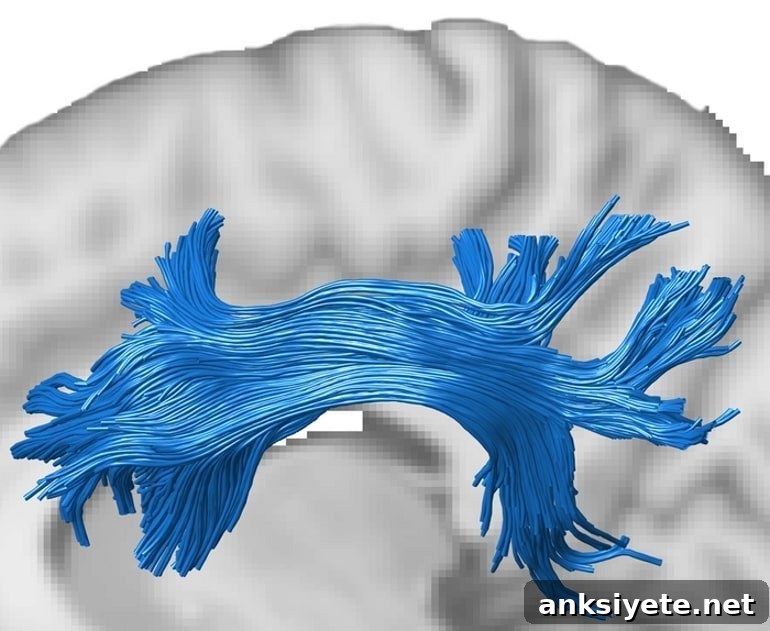
Summary: Researchers at the Indian Institute of Science (IISc) have created a GPU-accelerated machine learning algorithm that dramatically speeds up and improves the estimation of brain connectivity from diffusion MRI data. Source: Indian Institute of Science (IISc) A new GPU-based machine learning method, Regularized, Accelerated, Linear Fascicle Evaluation (ReAl-LiFE), enables fast, reliable prediction of structural … Read more