How the Brain Creates Order from Chaos

featured 59003

Summary: Even amid apparent noise and chaos, cortical neurons cooperate to communicate reliably, enabling the brain to extract order from variable activity. Source: EPFL Neurons communicate by sending brief electrical pulses called spikes. When an isolated neuron receives the identical input repeatedly, it can reproduce the same spike pattern very reliably. Yet recordings from living … Read more
How Soda Consumption Raises Alcohol Risk in Children

featured 98156

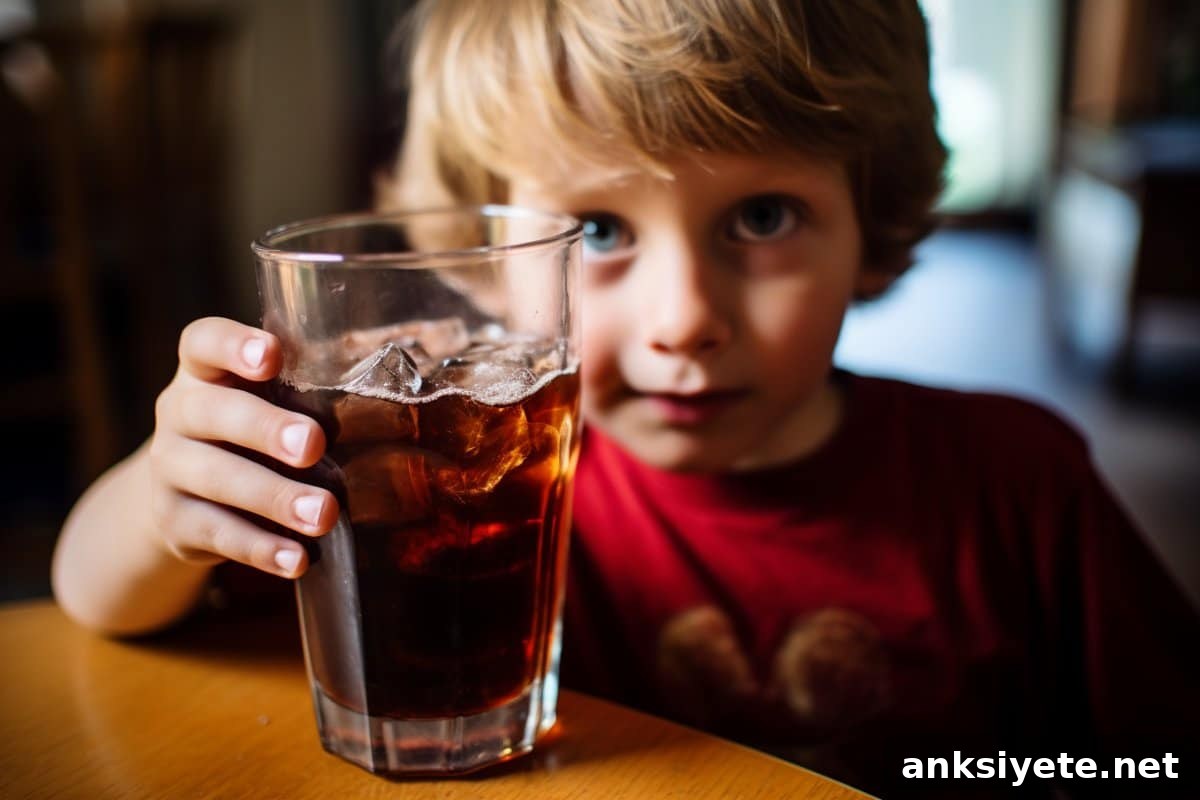
Summary: A recent analysis of more than 2,000 U.S. children suggests a link between daily consumption of caffeinated soda and a greater likelihood of alcohol sipping one year later. Researchers also found that daily soda drinkers showed higher impulsivity, weaker working memory, and distinct patterns of brain activity in regions involved in self-control and memory. … Read more

Human Brain Cells Repair Multiple Sclerosis Damage in Animals

featured 65343

Summary: Transplanting human glial progenitor cells derived from induced pluripotent stem cells into animal models of multiple sclerosis promotes repair of damaged white matter and restores neurological function. Source: University of Rochester Overview: A new study from the University of Rochester reports that specific human brain cells transplanted into animal models of multiple sclerosis (MS) … Read more

Cooling Therapy Improves Survival Without Childhood Brain Injury

featured 15390

Cooling newborns who suffer perinatal asphyxia — oxygen deprivation around the time of birth — significantly increases their likelihood of surviving to school age without major brain injury, according to a large Medical Research Council (MRC) funded clinical trial conducted by researchers from the universities of Bristol, Oxford, Leeds, University College London, Imperial College London, … Read more

Why Night Owls Tend to Be More Impulsive Than Morning People

featured 110567

Summary: A new study finds that adolescents who identify as evening types, commonly called “night owls,” report higher levels of impulsivity than their peers who identify as morning types. Specifically, these teens showed greater negative urgency—acting rashly when upset—and lower perseverance, meaning they were more likely to abandon challenging tasks. Importantly, the researchers did not … Read more

Disagreeable and Angry: What Makes Someone an Asshole?

featured 81862

Summary: Researchers report that when people name the most unpleasant person in their lives, they most often describe manipulative, aggressive, entitled, and anger-prone individuals—frequently middle-aged men. Source: University of Georgia Everyone has one. That person who frustrates you, who seems inconsiderate or hostile, and who makes social interactions uncomfortable. In everyday language, many call that … Read more

Scientists Reveal How Centenarians Live to 100

featured 22391

For the first time, researchers from Newcastle University’s Institute for Ageing and Keio University School of Medicine in Tokyo examined which biological and pathological processes most strongly predict successful ageing beyond 100 years of age. The team found that two factors stand out for reaching extreme old age: controlling chronic inflammation and maintaining relatively long … Read more

Brain Protein Boosts Memory, Reveals Dementia Treatment Target

featured 38337

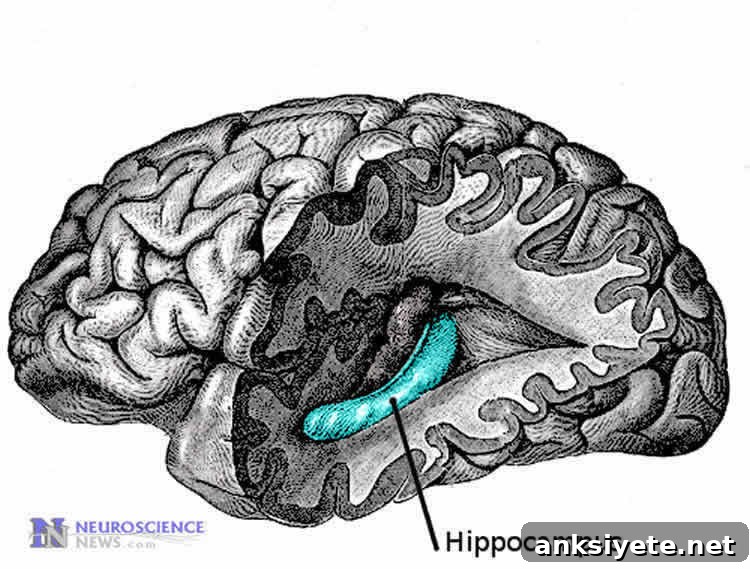
Summary: Researchers identify the protein CRTC1 as a regulator of gene expression that strengthens long-term memory. Source: Rutgers University. Rutgers University researchers have identified a molecular pathway in the hippocampus that appears to strengthen long-term memory and could point toward drug-based strategies to treat memory decline and dementia. “Memory decline causes deep suffering for affected … Read more

Scientists Reconstruct Faces From Brain Activity

featured 14055

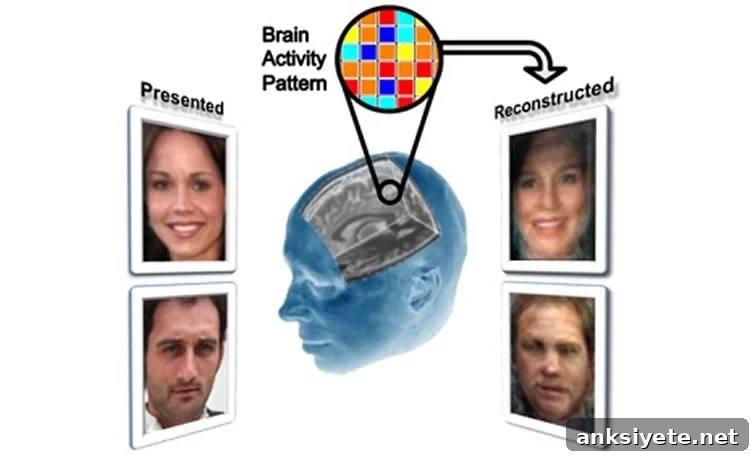
Researchers using only fMRI data have reconstructed images of human faces as they were seen by other people, a study led by a Yale undergraduate shows. Note: See the disclaimer below the article about the research status of this work. Marvin Chun, professor of psychology, cognitive science and neurobiology and a co-author on the study … Read more

Overactive Stress Response May Drive Hypersexual Disorder

featured 25026

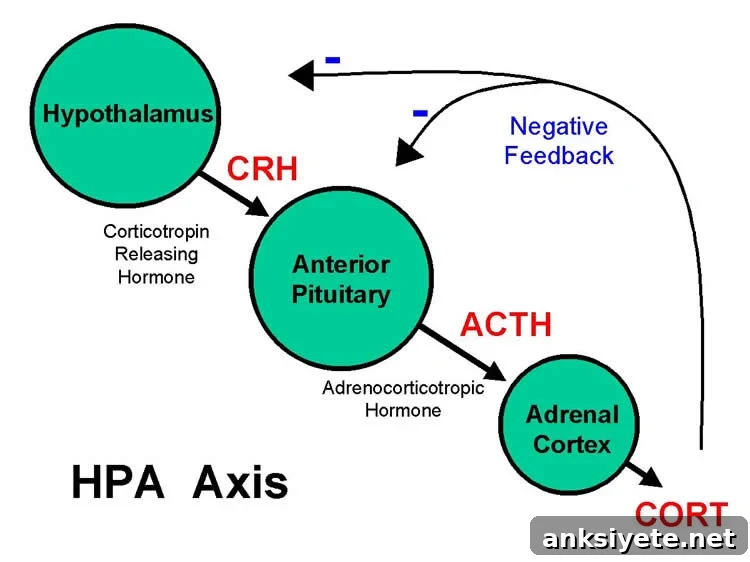
New research from Karolinska Institutet links hypersexual disorder to dysregulated stress systems Researchers at Karolinska Institutet have found evidence that hypersexual disorder—commonly referred to as sex addiction—may be associated with an overactive stress response. Using a low-dose dexamethasone suppression test, the study shows that men diagnosed with hypersexual disorder displayed higher levels of stress hormones … Read more