Alzheimer-Like Brain Changes After Dura Mater Transplant
featured 27270

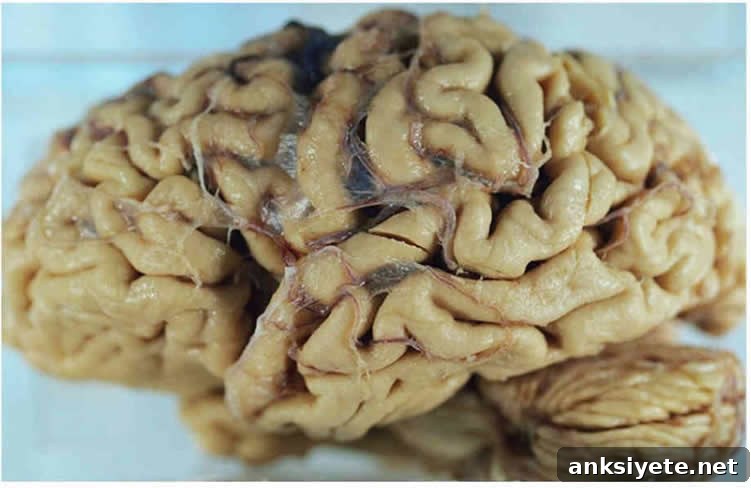
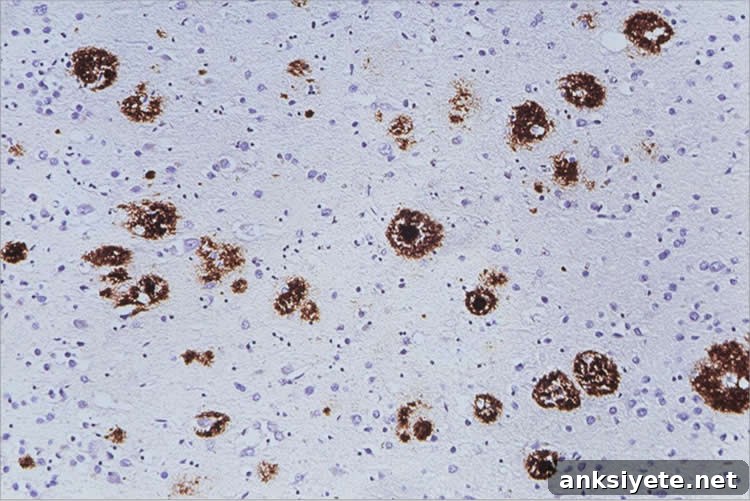
Dura Mater Grafts Associated with Alzheimer-Type Amyloid-β Pathology in Recipients with Iatrogenic Creutzfeldt-Jakob Disease Until now, Alzheimer’s disease has not been considered transmissible. New pathology findings from the University of Zurich and Vienna Medical University identify Alzheimer-type amyloid-β deposits in brains of patients who received dura mater grafts and later died of iatrogenic Creutzfeldt-Jakob disease. … Read more


MRI Study Finds Crocodiles Respond to Classical Music

featured 48479

Summary: By presenting Nile crocodiles with a range of visual and auditory stimuli while scanning their brains with functional MRI, researchers found that the animals’ neural responses to complex sounds resemble patterns seen in birds and mammals. The team suggests that core mechanisms of sensory processing may have emerged early in vertebrate evolution. Source: RUB. … Read more

Why People Hurt Others to Appear Morally Superior

featured 83978

Summary: New research finds that people who punish others because they believe it is morally right do not respond predictably to material incentives. Monetary rewards can reduce willingness to inflict harm because taking payment undermines the moral signal of their actions—unless peers affirm that accepting payment does not tarnish their moral standing. Source: UCSD Researchers … Read more

Cognitive Neuroscience Rehabilitation for TBI Patients

featured 20560

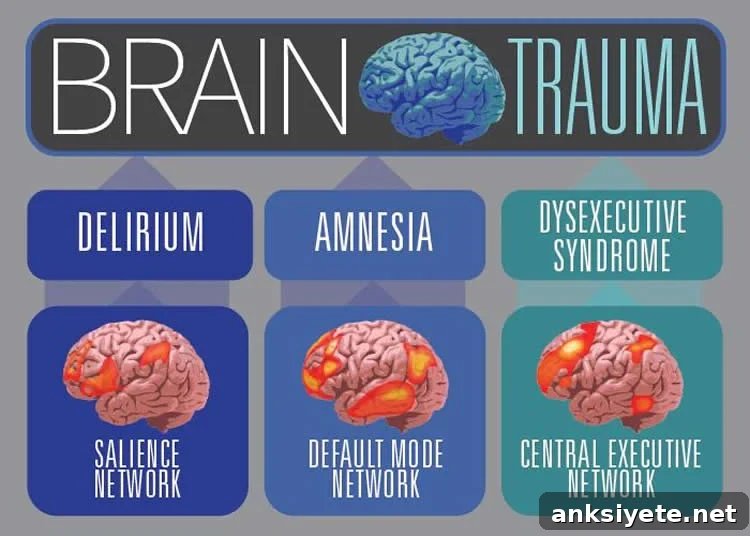
Patients with traumatic brain injuries are not benefiting from recent advances in cognitive neuroscience — and they should be, researchers argue in a special issue of Current Opinion in Behavioral Sciences. Clinicians who care for people with brain injury still rely largely on longstanding, coarse tools and diagnostic categories instead of applying contemporary discoveries about … Read more

New Pathway to Vaccines and Therapies for Late-Onset Alzheimer’s

featured 52971

Summary: Researchers at UT Southwestern have neutralized a major genetic risk factor present in up to 80% of people who develop late-onset Alzheimer’s disease. Neutralizing ApoE4 points to new prevention strategies, including the possibility of a vaccine or an oral drug taken long-term to reduce disease risk. Source: UT Southwestern. UT Southwestern investigators report a … Read more

Small Study: Treatment Eases Depression in 90% of Participants

featured 63875

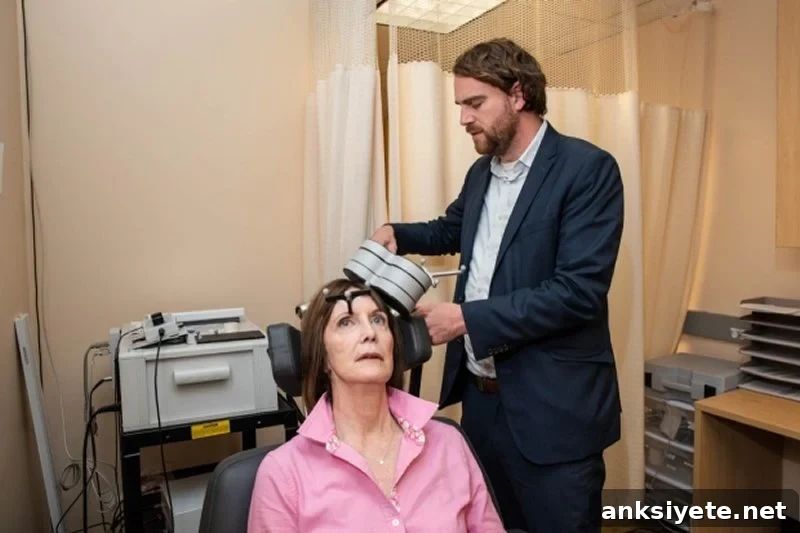
Summary: Researchers at Stanford modified transcranial magnetic stimulation to make it faster, stronger and more precisely targeted. Their protocol, called Stanford Accelerated Intelligent Neuromodulation Therapy (SAINT), focuses stimulation on a subregion of the dorsolateral prefrontal cortex that is connected to the overactive subgenual cingulate in depression. In an open-label study, 90% of participants experienced rapid … Read more

Tapeworm-Derived Medicine Shows Promise in Parkinson’s Disease

featured 45630

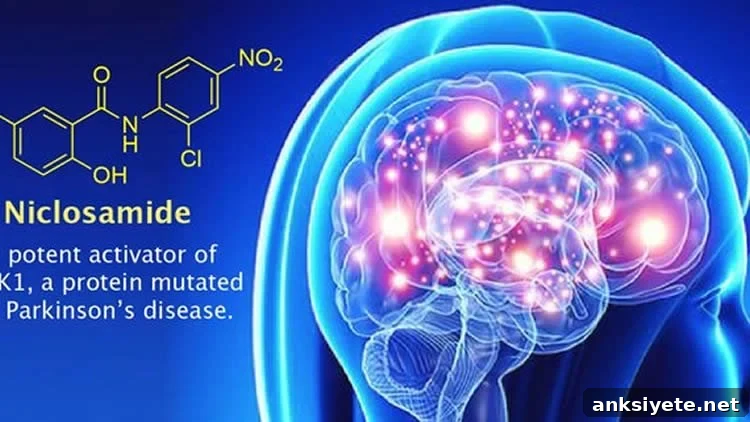
Summary: Researchers at Cardiff University report that a molecule within a widely used tapeworm drug can activate the PINK1 protein and may slow the progression of Parkinson’s disease. Tapeworm Drug Molecule Activates PINK1 and Offers Potential Path for Parkinson’s Treatment Researchers at Cardiff University, working in collaboration with the University of Dundee, have identified that … Read more

One Gene Regulates Jet Lag and Circadian Rhythms

featured 15565

Salk researchers identify a master gene that coordinates sleep and wake cycles, pointing to possible drugs that could reset the internal clock. Investigators at the Salk Institute for Biological Studies have pinpointed a gene that plays a central role in regulating daily sleep–wake rhythms in the brain. The gene, called Lhx1, emerged as a key … Read more

Why Oxytocin Supplements Won’t Mend Marriages

featured 84593

Summary: Despite marketing claims that oxytocin nasal sprays can heal strained relationships, a controlled study from the University of Essex finds it is unlikely to be a miracle cure for improving social functioning in healthy men. Intranasal oxytocin may still have therapeutic potential for conditions such as autism spectrum disorder (ASD) and depression, but psychological … Read more

New Compound May Reduce Inflammation and Alleviate Depression

featured 29268

A chemical discovered in the Bruce Hammock laboratory at the University of California, Davis, may offer a promising new approach to treating depression, a chronic psychiatric disorder that affects an estimated 350 million people worldwide. Published March 14 in the Proceedings of the National Academy of Sciences, the study reports that inhibiting soluble epoxide hydrolase … Read more