How COVID-19 Changed Students’ Decision-Making

featured 93922

Summary: New research from Ohio State University suggests the COVID-19 pandemic impaired college students’ decision-making consistency, a pattern researchers describe as “pandemic brain.” During the fall 2020 semester, students who completed decision-making assessments showed less consistent responses than peers tested in previous years. The study links prolonged pandemic-related stress and uncertainty to changes in the … Read more

Which Scientists Are Most Trusted and Least Trusted?

featured 101663

Summary: A large-scale study from the University of Amsterdam measured how much people trust scientists across 45 distinct scientific fields and why. Surveying 2,780 U.S. participants, the research found substantial variation in public trust: neuroscientists and marine biologists ranked among the most trusted, while political scientists and economists were trusted less. The findings show that … Read more

Age-Related Dementia May Start When Neurons Can’t Clear Proteins

featured 9186

European researchers from the University Medical Center Hamburg-Eppendorf (UKE) and the Cologne Excellence Cluster on Cellular Stress Responses in Aging-Associated Diseases (CECAD) at the University of Cologne have identified a key cellular process that helps explain why dementia risk rises with age. In experiments using both genetically engineered nematode worms and mouse models, the team … Read more

High Soda Intake Linked to Increased Aggression in Teens

featured 67480

Summary: A longitudinal study from the University of Alabama at Birmingham found that frequent soft drink consumption in early adolescence predicted increased aggressive behavior later in the teenage years. Aggressive behavior at 13 also predicted greater soft drink consumption by age 16. Soft drink intake at 13 was associated with slightly fewer depressive symptoms, while … Read more

Study Finds Memory Replay in Brain Outpaces Real-Time Experience

featured 95968

Summary: Researchers have uncovered a new insight into rhythmic brain signals called theta oscillations, showing that remembering events stimulates these signals more strongly than experiencing events in real time. Theta oscillations—rhythmic electrical patterns most commonly recorded in the hippocampus—have long been associated with activities such as navigation, exploration and sleep. Until now, many scientists believed … Read more

How Scientists Built the First Holographic Brain Atlas

featured 60472

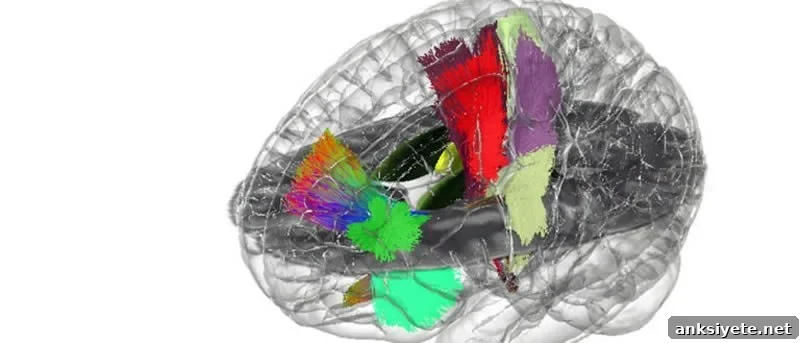
Summary: Researchers used Microsoft HoloLens mixed reality software to build an interactive holographic mapping system that reconstructs axonal pathways in the human brain. Source: Case Western Reserve A multidisciplinary team led by scientists and engineers at Case Western Reserve University has developed what is believed to be the first fully interactive holographic atlas of human … Read more

Too Much Folic Acid in Pregnancy May Harm Baby’s Brain

featured 68632

Summary: A UC Davis MIND Institute study in pregnant mice found that very high doses of folic acid during gestation produced notable changes in fetal brain development. Offspring exposed in utero to excessive folic acid showed significant structural and behavioral differences compared with those given standard or no supplementation. Source: UC Davis Overview Researchers at … Read more

How Inattention and Memory Bias Shape Public Views on Inflation

featured 42498

Summary: Researchers find that people respond more to individual prices than to aggregate statistics, but rational inattention and poor recall lead many to overestimate inflation. Source: MIT. Consumers tune in to prices selectively, but recall is poor and expectations skew high, study finds. How well do you know your country’s current inflation rate? What do … Read more

Rare Gene Variant Links ADHD and Autism to Sex Differences

featured 86465

Summary: Male and female mice carrying a human DAT mutation show distinct, region-specific effects on dopamine synapses. These differences reshape attention, reward, motivation, and other behaviors in a sex-dependent manner. Source: FAU Many neuropsychiatric disorders differ markedly between men and women in prevalence, age of onset, and clinical presentation. Disorders with a strong male bias … Read more

Gene Signature in Normal Brain Pinpoints Alzheimer’s Origins

featured 33480

Summary: Researchers have identified a specific gene signature in brain regions that are most vulnerable to Alzheimer’s disease. Source: University of Cambridge Gene Signature in Healthy Brains Predicts Regions Vulnerable to Alzheimer’s Disease Researchers at the University of Cambridge have identified a gene expression signature in healthy brains that mirrors the pattern in which Alzheimer’s … Read more