
Summary: Researchers have identified genetic changes that affect stress responses in children who are at elevated risk of developing bipolar disorder.
Source: UT Health Science Center Houston.
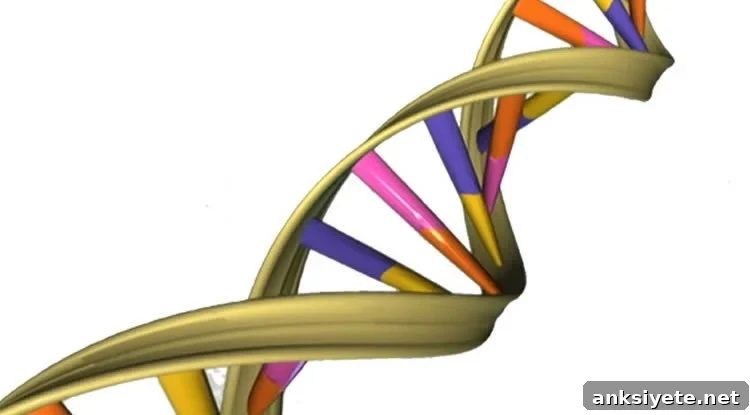
Researchers at McGovern Medical School at The University of Texas Health Science Center at Houston (UTHealth) report genetic alterations linked to stress response in children at high risk for bipolar disorder. The study was published in Translational Psychiatry.
“Children of people with bipolar disorder are known to face a higher risk of developing the condition, but the biological pathways behind that risk remain unclear,” said Gabriel R. Fries, Ph.D., postdoctoral research fellow in the Department of Psychiatry and Behavioral Sciences and first author of the study. “By comparing blood samples from children of bipolar patients with samples from children of parents without psychiatric diagnoses, we found several genes and molecular markers that may help explain increased vulnerability.”
The team examined peripheral blood mononuclear cells (PBMCs) from 18 children and adolescents divided into three matched groups: youth diagnosed with bipolar disorder, unaffected offspring of parents with bipolar disorder, and children whose parents had no psychiatric history. Analysis of gene expression and protein markers revealed consistent differences in pathways that regulate the cellular response to stress.
Compared with the control group, both the bipolar patients and the unaffected offspring of bipolar parents showed alterations in genes and proteins that influence how cells respond to stress and regulate mitochondrial function and apoptosis. “Taken together, these molecular changes suggest a greater sensitivity to stress among children with a familial risk,” Fries explained. “Clinical research shows that chronic exposure to environmental stress increases the likelihood of developing bipolar disorder. If parents are struggling with their own illness, their children may experience more stressful environments—and genetic differences in stress-response pathways could leave those children more susceptible.”
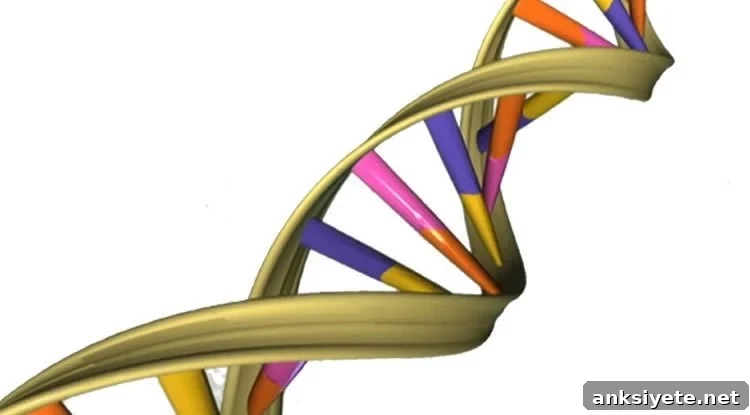
The genetic signatures observed in at-risk children were later validated in blood samples from unrelated adult patients with bipolar disorder, supporting the relevance of these alterations across age groups. These results point to potential new lines of investigation aimed at reducing environmental stress for vulnerable youth or developing interventions that could modulate these molecular pathways before clinical illness emerges.
Possible next steps include clinical trials assessing whether stress-reduction strategies can alter the trajectory for high-risk children, and preclinical or clinical studies testing whether pharmaceutical agents can reverse or offset the identified molecular changes in stress and mitochondrial function.
Blood samples for this study were obtained from the Pediatric Bipolar Registry at the UTHealth Center of Excellence on Mood Disorders. The senior author is Jair C. Soares, M.D., Ph.D., who serves as professor and chair in the Department of Psychiatry and Behavioral Sciences at McGovern Medical School. Co-authors include Iram Kazimi, M.D.; Cristian P. Zeni, M.D., Ph.D.; Giovana Zunta-Soares, M.D.; Consuelo Walss-Bass, Ph.D.; and Joao L. de Quevedo, M.D., Ph.D., among others affiliated with McGovern Medical School and the UTHealth Graduate School of Biomedical Sciences.
Funding: The research received partial support from the Pat Rutherford, Jr. Endowed Chair in Psychiatry and the John S. Dunn Foundation.
Source: Deborah Mann Lake, UT Health Science Center Houston. Image source: public-domain illustrative image.
Original research article: Scaini G., Fries G. R., Valvassori S. S., Zeni C. P., Zunta-Soares G., Berk M., Soares J. C., Quevedo J. — “Perturbations in the apoptotic pathway and mitochondrial network dynamics in peripheral blood mononuclear cells from bipolar disorder patients,” Translational Psychiatry, published online May 2, 2017 (doi:10.1038/tp.2017.83).
UT Health Science Center Houston (2017). Genes in Children Linked to Bipolar Disorder and Stress Identified. Neuroscience News, May 8, 2017.
Abstract
Perturbations in the apoptotic pathway and mitochondrial network dynamics in peripheral blood mononuclear cells from bipolar disorder patients
Bipolar disorder (BD) is a severe psychiatric illness characterized by alternating mood episodes and, in some cases, progressive brain changes and cognitive decline. Postmortem and imaging studies have documented reductions in the number and size of glial cells and neurons in several brain regions, implicating apoptosis in BD pathophysiology. Because mitochondrial dynamics are tightly linked with early apoptotic processes and remain incompletely characterized in BD, this study measured apoptotic markers and proteins involved in mitochondrial fission and fusion in PBMCs from BD patients and healthy controls.
The investigators recruited patients with bipolar I disorder and matched healthy controls, then assessed protein levels of pro- and anti-apoptotic factors as well as mitochondrial fission/fusion proteins. Results showed decreased levels of anti-apoptotic proteins such as Bcl-xL and survivin, along with reduced Bcl-xL/Bak complexes, and an increase in active caspase-3 in PBMCs from BD patients. In parallel, fusion-related proteins Mfn2 and Opa1 were downregulated, while the fission protein Fis1 was upregulated at both mRNA and protein levels. The study also found decreased citrate synthase activity, suggesting lower mitochondrial content or function.
Correlational analyses linked lower Mfn2 and Opa1 levels with reduced mitochondrial markers and demonstrated inverse relationships between fission/fusion proteins and apoptotic markers. These findings support the hypothesis that apoptosis contributes to cellular dysfunction, brain volume loss and cognitive decline in BD. They also highlight a critical association between altered mitochondrial dynamics and activation of cell-death pathways, reinforcing the role of mitochondrial dysfunction in bipolar disorder pathophysiology.
Reference: Scaini G., Fries G. R., Valvassori S. S., Zeni C. P., Zunta-Soares G., Berk M., Soares J. C., Quevedo J. (2017). Perturbations in the apoptotic pathway and mitochondrial network dynamics in peripheral blood mononuclear cells from bipolar disorder patients. Translational Psychiatry. doi:10.1038/tp.2017.83