Summary: New research from Ohio State University suggests the COVID-19 pandemic impaired college students’ decision-making consistency, a pattern researchers describe as “pandemic brain.”
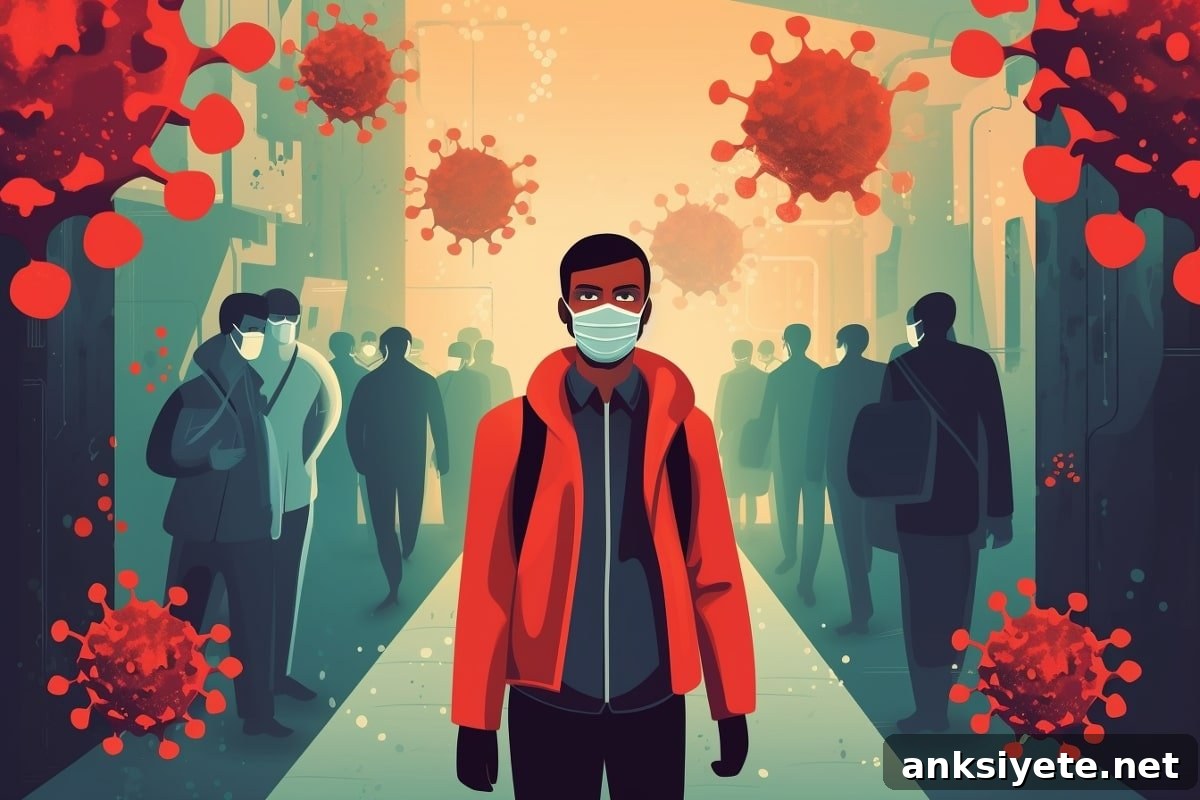
During the fall 2020 semester, students who completed decision-making assessments showed less consistent responses than peers tested in previous years. The study links prolonged pandemic-related stress and uncertainty to changes in the cognitive processes that support reasoning, problem-solving and deliberative decision making.
Key facts
- Students assessed in fall 2020 were more likely to shift between instinctive (gut) responses and more deliberative answers depending on how scenarios were framed.
- Researchers hypothesize that sustained pandemic stress placed a burden on brain systems that support careful evaluation and problem-solving.
- Despite increased inconsistency, the 2020 participants reported the same level of confidence in accuracy-based questions as pre-pandemic samples.
Source: Ohio State University
Overview
A team of psychologists at The Ohio State University examined whether everyday cognitive functioning—specifically decision-making competence—changed for college students during the COVID-19 pandemic. Using a well-established assessment tool, the Adult Decision Making Competence (ADMC) scale, researchers compared responses from a large pre-pandemic sample with responses collected during fall 2020, when campuses were operating under hybrid learning, masking, social distancing and routine testing.
Lead author Melissa Buelow, a clinical neuropsychologist and professor at Ohio State’s Newark campus, and colleagues James Wirth and Jennifer Kowalsky found that students assessed in 2020 displayed less consistency in their choices. The change appeared particularly related to framing effects: students were more likely to respond differently to the same ethical or outcome-based scenario depending on whether it was presented as a gain or a loss.
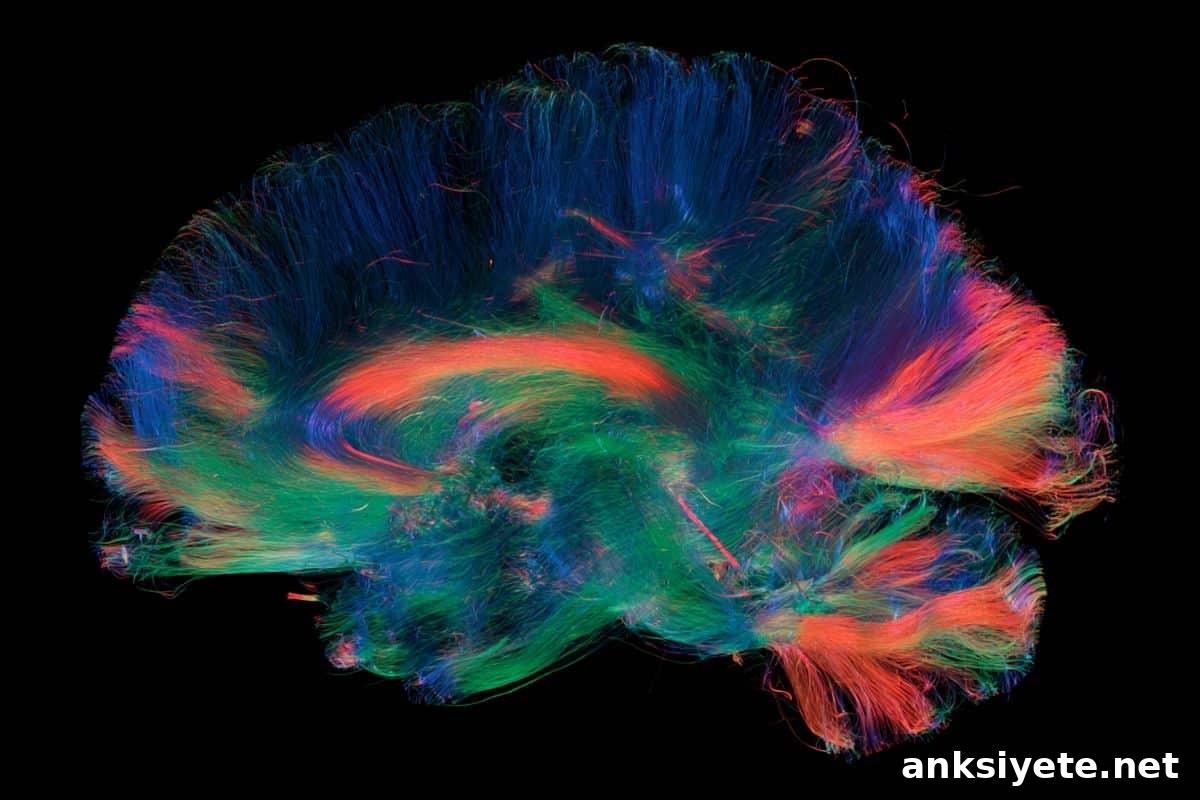
The research team describes this phenomenon as evidence for “pandemic brain.” Their interpretation is that prolonged, wide-ranging uncertainty and everyday stressors during the pandemic taxed cognitive resources—resources that are normally available for careful evaluation and deliberation—leading students to alternate between intuition-driven and deliberation-driven responses.
“If students’ cognitive resources are intermittently overwhelmed by ongoing stress, that can reduce their capacity for thoughtful information processing,” Buelow said. That reduced capacity could help explain practical academic impacts reported across campuses—troubles attending class, diminished focus, and difficulties completing assignments on time.
Study design and participants
The investigators compared ADMC scores from a pre-pandemic group of 722 undergraduate students to scores from 161 undergraduates assessed during fall 2020. The ADMC presents a variety of everyday decision scenarios, framed both positively and negatively, and gauges how consistently participants apply rational decision rules across contexts.
In a smaller exploratory follow-up, researchers reassessed 72 students at two points in spring 2022 to explore whether vaccination and relaxed mitigation measures coincided with recovery in decision-making consistency. That smaller sample still showed reduced consistency relative to the pre-pandemic sample.
Key findings
Compared to the pre-pandemic cohort, students tested during the pandemic were:
- More susceptible to framing effects—treating ethically equivalent gain and loss presentations differently.
- Less consistent in applying decision rules across scenarios.
- Equally confident in accuracy-based decisions despite showing less consistency.
That last point raises concerns about risk perception: if individuals remain confident while being less consistent or less accurate, they may underestimate potential risks to health, safety or academic outcomes.
Implications
The findings point to a broader implication: situational and sustained stressors can change everyday cognitive performance. While acute laboratory stressors have previously been shown to reduce decision-making consistency, this study suggests that a global, prolonged stressor like the COVID-19 pandemic can produce similar downstream effects on cognition. For colleges and student health providers, these effects may contribute to increased demands on support services and could undermine learning environments if unaddressed.
Buelow and colleagues are continuing to collect data to track whether and how student decision-making recovers over a longer trajectory as pandemic-related stressors continue to change.
About this neuroscience research news
Author: Emily Caldwell
Source: Ohio State University
Contact: Emily Caldwell, Ohio State University
Image: The image is credited to Neuroscience News
Original research: Open access. “Poorer decision making among college students during the COVID-19 pandemic: Evidence for ‘pandemic-brain’” by Melissa Buelow et al., Journal of American College Health. This study used the Adult Decision Making Competence (ADMC) measure to compare pre-pandemic and pandemic-era responses.
Abstract
Poorer decision making among college students during the COVID-19 pandemic: Evidence for “pandemic-brain”
Objective
To determine whether living through the COVID-19 pandemic was associated with changes in decision making among otherwise healthy college students—specifically a shift from deliberative to more impulsive or framing-influenced decisions.
Participants
A comparison between a pre-pandemic sample of 722 undergraduates and 161 undergraduates assessed during Fall 2020.
Method
Participants completed the Adult Decision Making Competence scale. Scores from the pre-pandemic group were compared to scores collected during two assessments in Fall 2020. A smaller exploratory follow-up sampled students in Spring 2022.
Results
Decision making during the pandemic was less consistent and more influenced by gain/loss framing than pre-pandemic performance. Confidence ratings did not decline, and no clear trend of recovery was observed in the smaller Spring 2022 sample.
Conclusions
Sustained, real-world stressors associated with the COVID-19 pandemic appear to have reduced decision-making consistency among college students. Such changes could increase the likelihood of impulsive choices with negative health or academic consequences, highlighting the importance of supporting student well-being and cognitive functioning during prolonged crises.