Novel Coronavirus Mutation Detected: Key Facts

featured 64946

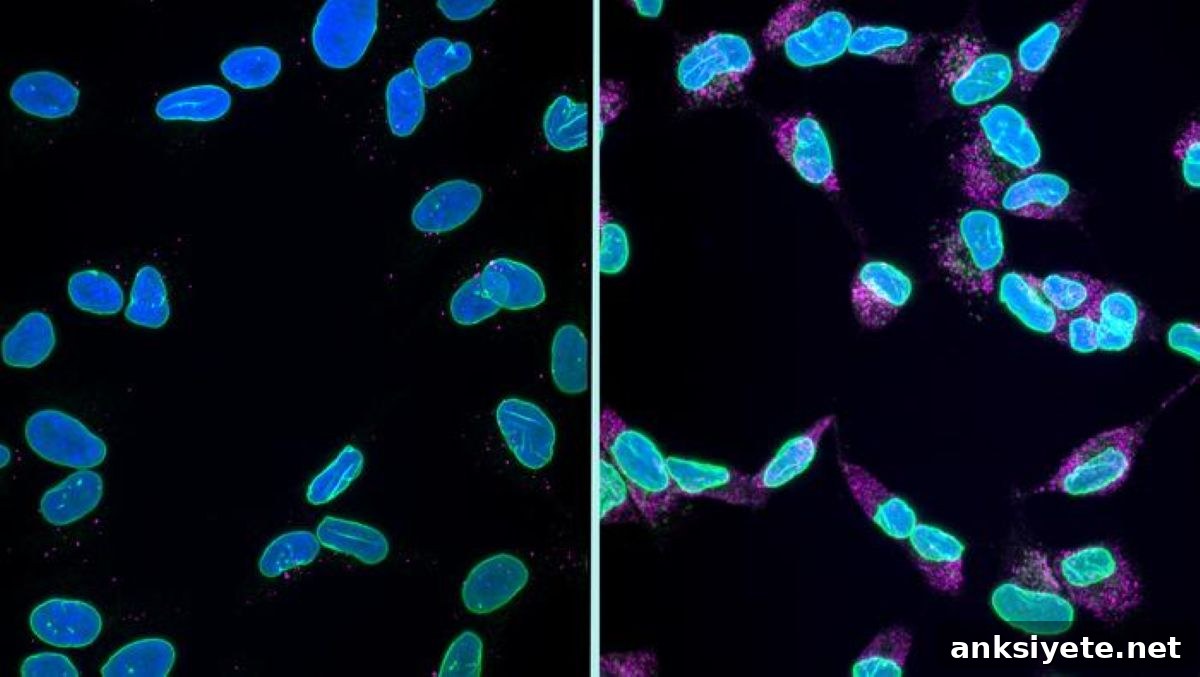
Summary: A new genetic sequencing study from Arizona State University shows that SARS-CoV-2—the virus that causes COVID-19—traces back to a single origin in Wuhan, China. Genomic data from early U.S. cases, however, indicate many infections were most likely introduced from Europe. The ASU team also discovered a previously unreported mutation: an 81-nucleotide deletion that removes … Read more

Why Naps Are Vital for Children’s Brain Development and Memory

featured 101675

Summary: Researchers at the University of Massachusetts Amherst have launched two large-scale longitudinal studies to investigate how napping supports brain development and memory in infants and preschoolers. By tracking changes in the hippocampus—the brain region crucial for short-term memory—these studies aim to clarify when and why young children need naps and how naps influence memory … Read more

Why Do Neurons Die? Causes and Mechanisms

featured 26964

Protein aggregates in the cytoplasm disrupt essential transport between nucleus and cytoplasm In brains affected by neurodegenerative disorders, researchers commonly observe deposits of misfolded proteins, often referred to as protein aggregates. These deposits are a hallmark of illnesses such as Alzheimer’s, Parkinson’s, Huntington’s disease, and amyotrophic lateral sclerosis (ALS). While the presence of aggregates has … Read more

Eyes as a Window to Alzheimer’s and Neurodegenerative Diseases

featured 49998

Summary: New research indicates that ultra-wide field retinal imaging may offer a reliable, noninvasive way to monitor neurodegenerative disease progression, including Alzheimer’s disease (AD). The study found increased drusen and distinct vascular changes in the peripheral retina of AD patients. Source: Queen’s University Belfast. Researchers at Queen’s University Belfast report for the first time that … Read more

Thescelosaurus: Sensory Adaptations for Underground Life

featured 98164

Summary: New CT scans of the Thescelosaurus neglectus specimen known as “Willo” reveal sensory adaptations that suggest this small herbivore may have spent part of its life underground. These findings challenge the dinosaur’s previously dull reputation and offer fresh insight into dinosaur ecology and behavior. High-resolution CT imaging shows Willo had a restricted hearing range … Read more

Coal Emissions Linked to Higher Suicide Rates in North Carolina

featured 9640

New research from Wake Forest Baptist Medical Center finds that suicide, while strongly associated with psychiatric conditions, also correlates with environmental pollution. A new ecological study led by John G. Spangler, M.D., M.P.H., a professor of family medicine at Wake Forest Baptist Medical Center, examined the relationship between air pollution—specifically emissions from coal-fired power plants—and … Read more

New Strategy Finds Drug Targets for Brain Repair

featured 39626

Summary: New findings point to potential drug-based strategies to stimulate generation of specific brain cell types and support repair in degenerative conditions. Source: PLOS Overview Researchers have identified existing small-molecule drugs that engage signaling pathways guiding neural stem cells to become particular adult brain cell types in mice. Published 28 March in the open-access journal … Read more

Bottled Water Boosts Green Tea’s Antioxidants

featured 53621

Green Tea Steeped in Bottled Water Has More Antioxidants, Cornell Study Finds Summary: Researchers report a boost in beneficial antioxidants when green tea is brewed with bottled water rather than tap water. Source: Cornell University. Key finding: Green tea brewed with bottled water contains higher levels of the antioxidant epigallocatechin gallate (EGCG) than green tea … Read more

Flu Vaccine Could Lower Your Stroke Risk

featured 24371

Flu vaccination linked to a substantial short-term reduction in stroke risk, new study finds A major study from the University of Lincoln, funded by the National Institute for Health Research and published in the journal Vaccine, found that receiving an influenza (flu) vaccine was associated with a significantly lower risk of suffering a first stroke … Read more

Can Certain Fats Protect Against Neurodegenerative Disease?

featured 34085

Summary: Researchers report that certain fat molecules help trigger a cellular stress response that can protect against neurodegenerative diseases such as Huntington’s, Parkinson’s, and Alzheimer’s. Source: UC Berkeley A newly discovered stress-response pathway uses specific lipids to support cellular health Researchers at the University of California, Berkeley, have identified a surprising link between lipid metabolism … Read more