
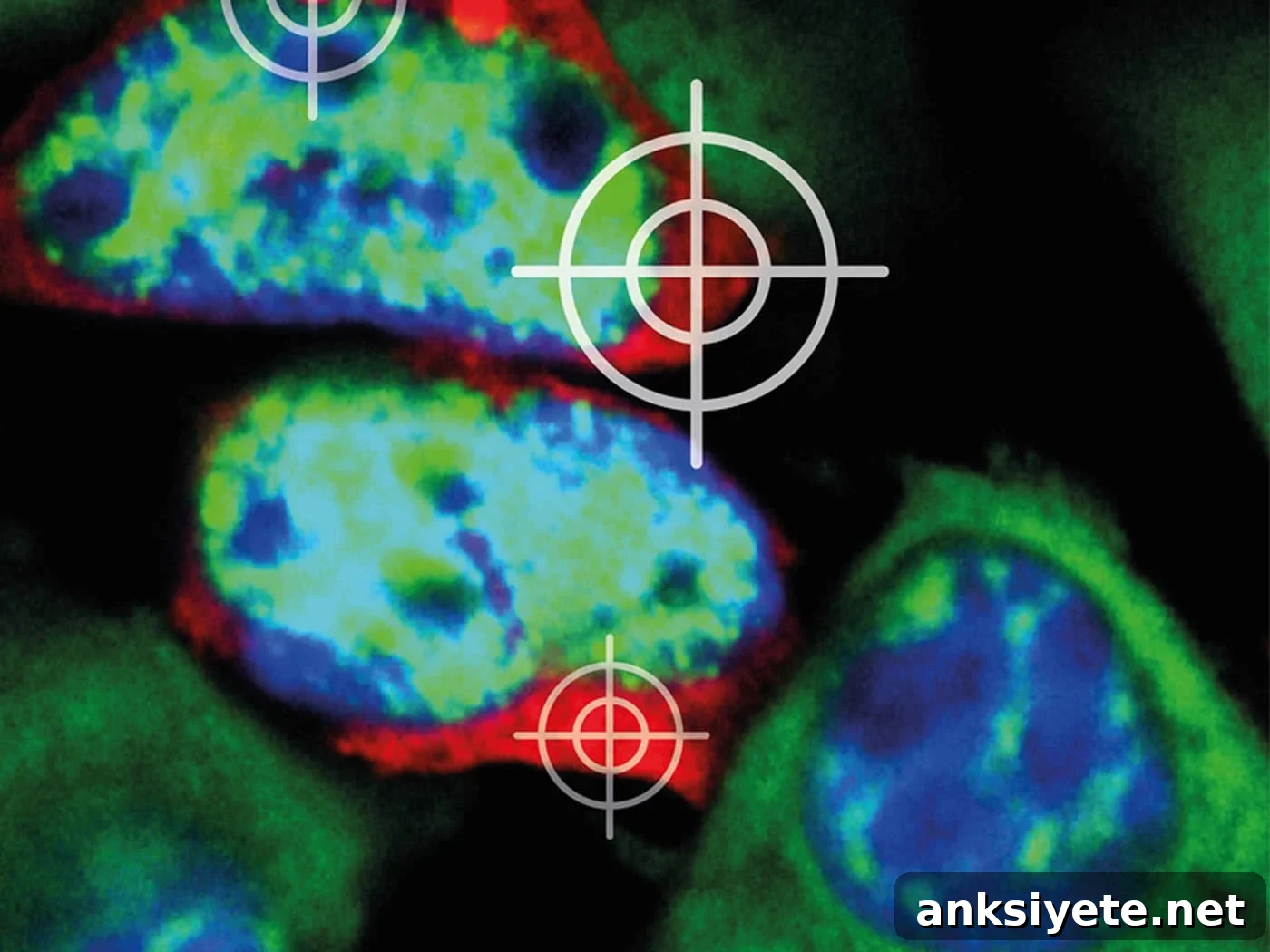
Protein aggregates in the cytoplasm disrupt essential transport between nucleus and cytoplasm
In brains affected by neurodegenerative disorders, researchers commonly observe deposits of misfolded proteins, often referred to as protein aggregates. These deposits are a hallmark of illnesses such as Alzheimer’s, Parkinson’s, Huntington’s disease, and amyotrophic lateral sclerosis (ALS). While the presence of aggregates has long been linked to neuronal decline, the precise ways in which they damage cells have not been fully understood. Scientists at the Max Planck Institute of Biochemistry in Martinsried, led by Mark Hipp and Ulrich Hartl, provide evidence that the cellular location of protein aggregates is a decisive factor in how harmful they become. Their study shows that aggregates formed in the cytoplasm—rather than identical aggregates inside the nucleus—interfere with nucleocytoplasmic transport, blocking the normal movement of proteins and RNA into and out of the nucleus and ultimately compromising cell viability. These findings were published in the journal Science.
Proteins are linear chains of amino acids that must fold into precise three-dimensional shapes to function as molecular machines inside cells. Cells maintain extensive folding-assist systems and quality-control mechanisms: molecular chaperones help newly synthesized and damaged proteins to fold correctly, and misfolded proteins are normally repaired or targeted for rapid degradation. When these quality-control systems fail or are overwhelmed, misfolded proteins can clump together and form aggregates that impair cellular processes.
The research team investigated how the same aggregation-prone proteins behave differently depending on their subcellular location. Using cultured cells, they expressed both engineered β-sheet proteins designed to aggregate and fragments of disease-associated proteins such as mutant huntingtin and TDP-43. In each case, proteins that assembled into inclusions within the cytoplasm had markedly different effects from those that formed similar inclusions in the nucleus.
Surprisingly, cytoplasmic deposits tended to be more soluble yet more toxic than the nuclear inclusions. The authors found that cytoplasmic aggregates sequester and mislocalize multiple components of the cellular transport machinery, including proteins with disordered or low-complexity sequences that are normally involved in nuclear import and export. By capturing these essential transport factors, the aggregates deplete them from the functional pool, impairing nucleocytoplasmic trafficking. As a result, RNAs and newly folded proteins become trapped or misdirected, and the flow of genetic information from nucleus to cytoplasm is disrupted. Over time, this transport blockade undermines protein synthesis and other nucleus–cytoplasm communication pathways, contributing to cellular dysfunction and death.
In contrast, when identical proteins formed inclusions inside the nucleus—often at or near the nucleolus—they did not produce the same transport defects. The researchers propose that nuclear environments contain protective factors that can buffer aggregates. One candidate is the abundant nucleolar protein NPM1, which appears to play a role in shielding nuclear aggregates from sequestering transport factors, thereby mitigating toxicity. However, the precise mechanisms that make nuclear aggregates less harmful remain an active area of investigation.
These findings highlight nucleocytoplasmic transport impairment as a potentially common mechanism linking diverse aggregate-deposition diseases. By showing that the cellular location of aggregates determines how they interact with essential cellular machinery, the study points to new angles for therapeutic development: interventions that prevent sequestration of transport factors, enhance clearance of cytoplasmic aggregates, or restore nucleocytoplasmic trafficking could help protect vulnerable neurons.
Source: Dr. Christiane Menzfeld – Max Planck Institute
Image source: MPI of Biochemistry
Original research: Abstract for “Cytoplasmic protein aggregates interfere with nucleo-cytoplasmic transport of protein and RNA” by A. C. Woerner, F. Frottin, D. Hornburg, L. R. Feng, F. Meissner, M. Patra, J. Tatzelt, M. Mann, K. F. Winklhofer, U. Hartl, and M. S. Hipp, published in Science. Published online January 9, 2016. doi:10.1126/science.aad2033
Abstract (summary)
Amyloid-like protein aggregation is commonly observed in neurodegenerative and other protein-misfolding diseases, but the identity of the toxic aggregate species and the mechanisms by which they damage cells are not fully clear. This study tested how the subcellular compartment influences aggregate toxicity by comparing engineered β-sheet proteins with fragments of mutant huntingtin and TDP-43. Aggregation in the cytoplasm disrupted nucleocytoplasmic transport of proteins and RNA, whereas formation of inclusions within the nucleus, often localized at or around the nucleolus, did not cause such transport inhibition. Cytoplasmic inclusions sequestered multiple factors required for nuclear import and export, especially proteins with disordered or low-complexity domains, leading to their depletion from functional pools and subsequent mislocalization. These results suggest that impaired nucleocytoplasmic transport may contribute broadly to the cellular pathology observed in aggregate-deposition diseases.
“Cytoplasmic protein aggregates interfere with nucleo-cytoplasmic transport of protein and RNA” by A. C. Woerner et al., Science. Published online January 9, 2016. doi:10.1126/science.aad2033