Twin Study Links Nearly 80 Percent of Schizophrenia to Genes

featured 43995

Summary: A new twin study finds that genetic factors may account for as much as 79% of schizophrenia risk. Source: Elsevier A large twin study finds strong genetic influence on schizophrenia risk Researchers at the University of Copenhagen report in the journal Biological Psychiatry that genetic factors explain a substantial portion of schizophrenia risk. By … Read more


Tiny Cannabis Capsules Could Help Treat Alzheimer’s, MS and TBI

featured 74984

Summary: Researchers have developed a cannabidiol (CBD) microcapsule that is absorbed faster and reaches the brain more rapidly in mouse models of neurological conditions such as Alzheimer’s disease, multiple sclerosis and traumatic brain injury. Source: Curtin University A research team led by Curtin University has developed a novel oral delivery method that significantly improves the … Read more

How the Eye Develops Sharp Vision: Stages and Mechanisms

featured 114620

Summary: Researchers have discovered an unexpected cellular mechanism that shapes our sharp, daytime vision. Using lab-grown retinal organoids, the team found that the human foveola—the tiny central zone of the retina responsible for high-acuity sight—achieves its specialized arrangement of photoreceptors not by cells migrating outward, as long believed, but by a conversion of cell identity. … Read more

Neurofeedback May Reduce Tinnitus Symptoms

featured 45182

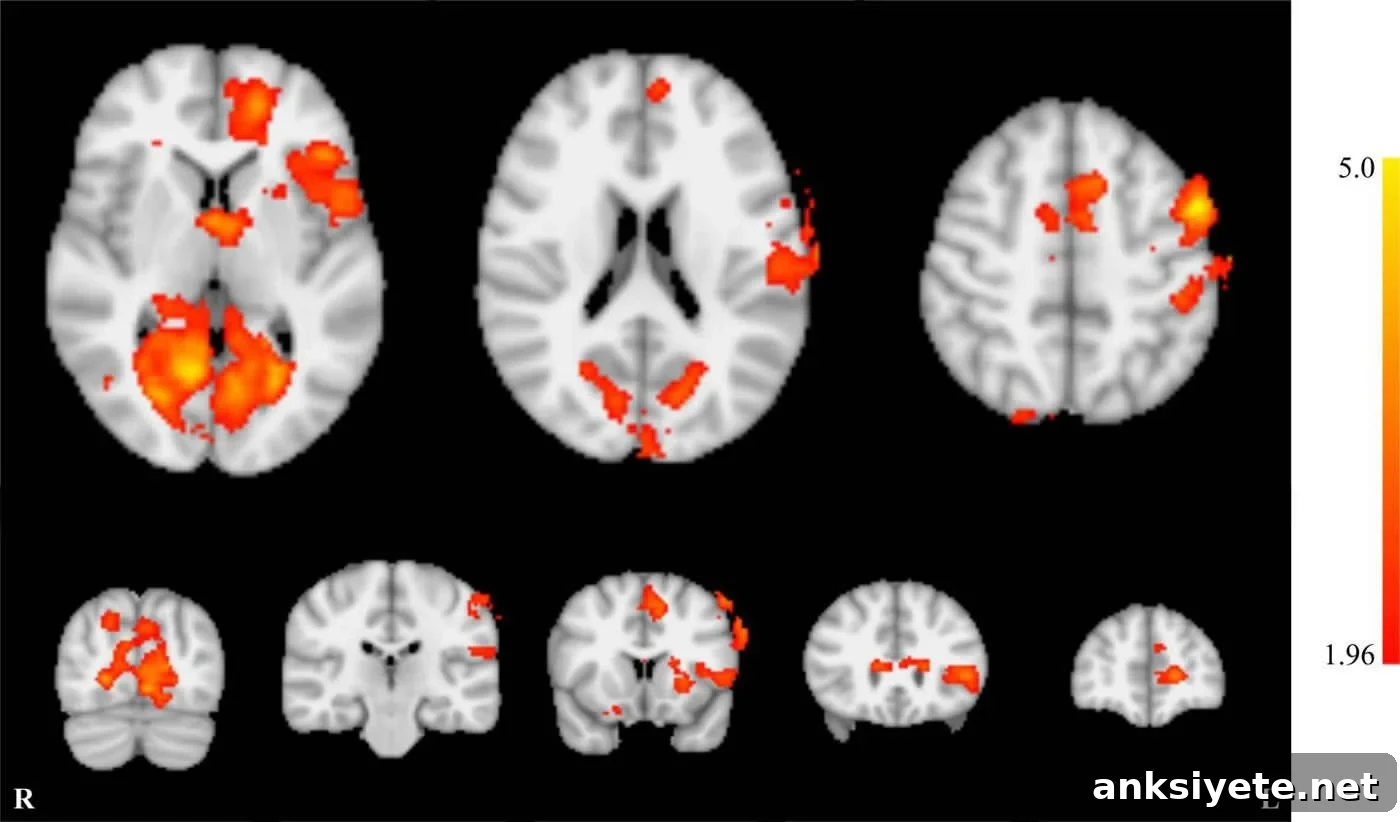
Neurofeedback Shows Promise in Treating Tinnitus Summary: A study presented at RSNA 2017 suggests that fMRI-guided neurofeedback can reduce—and in some instances eliminate—the perception of tinnitus. Source: RSNA Researchers using functional MRI (fMRI) report that neurofeedback training may help people lessen the severity of tinnitus or, for some, remove it entirely. Tinnitus is a common … Read more

Study Finds Deaf Children Learn Words Faster Than Hearing Peers

featured 46285

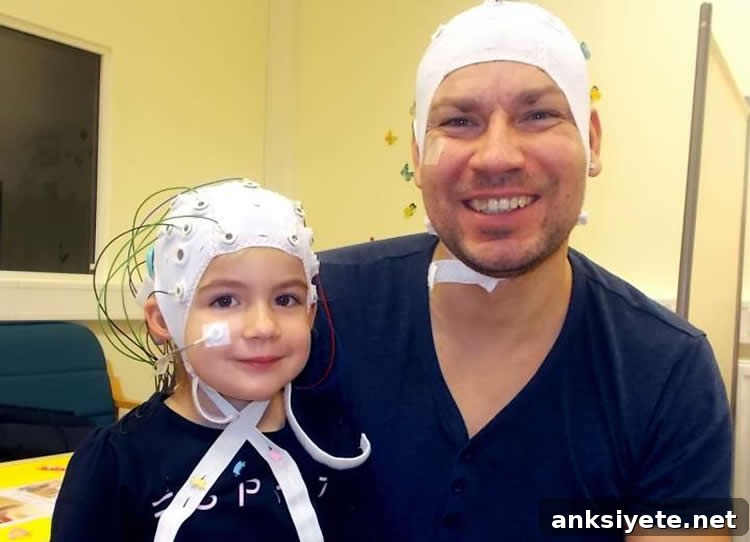
Summary: Researchers at the Max Planck Institute report that deaf children fitted with cochlear implants can learn words faster after implantation than children with normal hearing of the same auditory age. Source: Max Planck Institute. Cochlear implants provide auditory input to children born deaf or with severe inner-ear damage by converting sound into electrical signals … Read more

New Neural Model Reveals How the Brain Stores Memories

featured 100802

Summary: Researchers have developed a theoretical model that clarifies the complex mechanisms of synaptic plasticity — the process that enables the brain to learn and form lasting memories. The model emphasizes the vital role of interactions among neighboring synapses, showing how these local relationships help produce rapid learning and the consolidation of long-term memory traces. … Read more

Fish Oil Fatty Acid Deficiency Impairs Early Brain Development

featured 20293

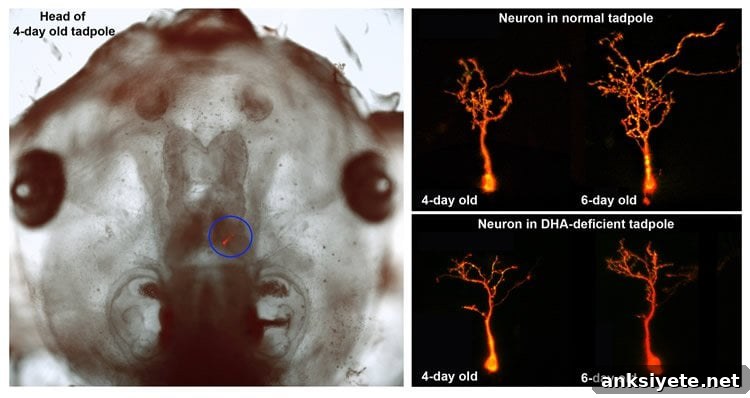
Researchers identify a dietary connection essential for healthy prenatal and early postnatal neural growth. While recent studies have questioned whether fish oil supplements improve heart health, researchers at UC Irvine emphasize that the long-chain fatty acids found in fish remain essential for brain development. Their new findings show that a lack of these nutrients during … Read more

Sleep Apnea Linked to Gaps in Personal Memories

featured 53981

Summary: New research finds that people with obstructive sleep apnea have difficulty recalling specific details of their autobiographical memories, which may increase their risk of developing depression. People with sleep apnea often struggle to remember detailed personal memories, a new study suggests, and this memory difficulty could help explain the higher rates of depression seen … Read more

Designer Protein Advances Alzheimer’s Research

featured 33174

Summary: Scientists have designed a new protein to help reveal why nerve cells die in people with Alzheimer’s disease. Source: University of Sussex. Designer protein created at the University of Sussex offers a clearer way to study how Amyloid‑beta leads to nerve cell death in Alzheimer’s disease Researchers at the University of Sussex have engineered … Read more

Early Overeating in Girls Linked to Teen Anxiety and Impulsivity

featured 113080

Summary: A longitudinal study of more than 2,000 children in Quebec reports that girls who frequently overate during the preschool years were more likely to show symptoms of anxiety, impulsivity, and hyperactivity by age 15. The same link was not observed among boys, a difference the researchers suggest may reflect social and family influences such … Read more