Disease-in-a-Dish Model Could Speed Huntington’s Disease Research
featured 16026

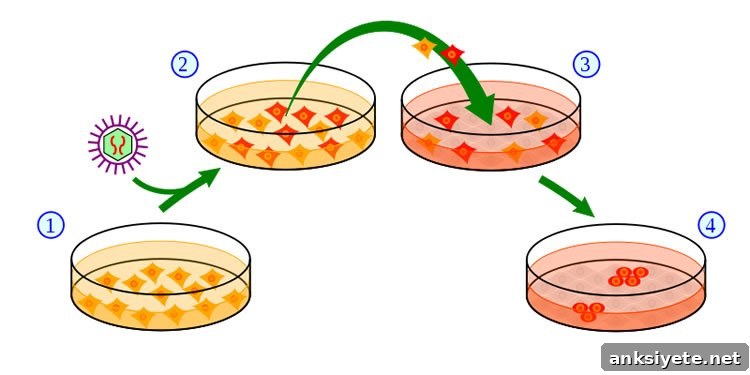
iPS cell technology applied to Huntington’s disease transgenic monkey model Researchers have adapted induced pluripotent stem cell (iPS cell) technology to a transgenic nonhuman primate model of Huntington’s disease (HD), creating a practical “disease-in-a-dish” system for testing therapies and studying cellular pathology. The work, led by scientists at the Yerkes National Primate Research Center and … Read more


How Long-Distance Connections Speed Social Behavior

featured 101577

Summary: A new study examines how behaviors and ideas travel through social networks and finds that long ties—connections that bridge distant parts of a network—can dramatically speed up and broaden adoption. These long ties overcome the commonly held view that tightly clustered groups are always best for spreading complex behaviors, showing instead that even a … Read more

Improve Attention in 30 Days With Mindfulness Meditation

featured 111477

Summary: A new USC study finds that just 30 days of daily guided mindfulness meditation significantly improves attentional control across the lifespan. Using precise eye-tracking measures, researchers observed faster reaction times, stronger goal-directed focus, and reduced susceptibility to distractions in participants who practiced mindfulness compared with a control group. These objective cognitive gains appeared in … Read more

Hidden Genetic Variants Linked to Autism Severity

featured 54239

Summary: Researchers have linked a previously overlooked portion of the human genome to greater severity of autism symptoms. Source: University of Colorado University of Colorado Anschutz Medical Campus scientists have identified a highly duplicated, largely unexamined region of the human genome as being associated with the severity of autism symptoms—an insight that could guide future … Read more

Memory Loss Tied to Two Brain Regions Falling Out of Sync

featured 91518

Summary: When neural assemblies in the hippocampus and prefrontal cortex fail to synchronize at the proper times, short-term memories break down. Source: University of Bristol Researchers from the universities of Bristol and Heidelberg report that short-term memory depends on precisely timed cooperation among multiple neural assemblies located within and between the hippocampus and prefrontal cortex. … Read more

Psychopaths Don’t Always Disregard Others

featured 47224

Summary: A new study finds that psychopaths do not automatically adopt the perspectives of others, but can deliberately do so when prompted. Source: Yale University Psychopathy is commonly associated with cold, callous behavior and a disregard for others’ welfare, which suggests a failure to understand other people’s perspectives. At the same time, many individuals with … Read more

Gabapentin Linked to Longer Glioblastoma Survival

featured 109986

Summary: A new multi-center retrospective study indicates that gabapentin, a commonly prescribed anti-seizure and neuropathic pain medication, is associated with longer survival in patients with glioblastoma (GBM), the most aggressive primary brain tumor in adults. Across two independent hospital cohorts, GBM patients taking gabapentin lived several months longer on average than those who did not. … Read more

Human Brain Organoids in Mouse Cortex Show First Visual Response

featured 89242

Summary: Researchers used advanced neural recording technologies to show human brain organoids transplanted into mice form functional connections with host cortex and respond to visual input. Source: UCSD A multidisciplinary team of engineers and neuroscientists has shown that human cortical organoids implanted into the mouse brain form functional connections with the host cortex and respond … Read more

Machine Learning Links Mental Illness to Brain Network Changes

featured 50680

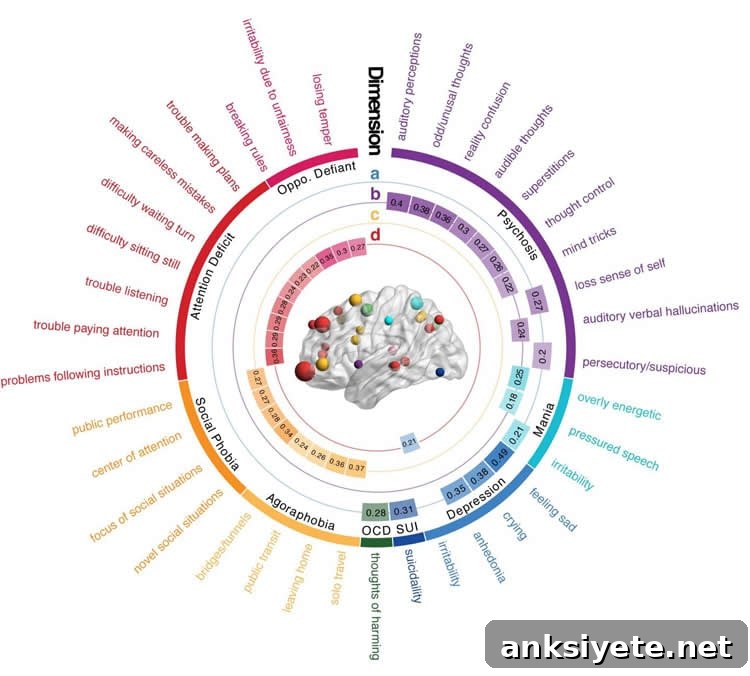
Summary: Researchers applied machine learning to identify brain-based dimensions of mental health disorders, advancing the search for biomarkers to improve diagnosis and treatment. Source: University of Pennsylvania. Researchers at Penn Medicine have used machine learning to map brain network abnormalities to distinct dimensions of psychopathology, an important step toward objective biomarkers that could improve psychiatric … Read more

One Extra Burger a Day Linked to Brain Shrinkage

featured 57068

Summary: Neurodegeneration begins earlier in people with unhealthy diets and sedentary lifestyles. Source: Australian National University Overview: Our daily calorie intake has risen substantially compared with five decades ago—roughly the equivalent of an extra fast-food burger meal each day—and this shift is taking a serious toll on both brain health and body weight, researchers at … Read more