Study Finds Brain Circuit Linking Insomnia, Anxiety, Depression
featured 109452

Summary: A large multimodal brain imaging study indicates that insomnia, depression, and anxiety—conditions that frequently co-occur—share overlapping brain abnormalities. Researchers report reduced cortical surface area, smaller thalamic volumes, and weaker functional connectivity across all three symptom profiles, while also identifying disorder-specific neural signatures. Mapped together, these findings point to a common amygdala–hippocampus–medial prefrontal cortex circuit … Read more

How Daily Conversations and Nature Improve Mental Wellness

featured 109448

Summary: New research from Curtin University shows that straightforward daily behaviours — like chatting with friends, spending time in nature, and engaging in mentally stimulating activities — are strongly associated with better mental well-being. The study found that people who connected socially every day scored substantially higher on a standard mental well-being measure than those … Read more

Brain-Body Connection: How Emotions Affect Your Health

featured 109437

Summary: Scientists have introduced D-PSCAN, a new minimally invasive imaging approach that provides high-resolution, in vivo visualization of the nucleus tractus solitarii (NTS) in the brainstem. The NTS, a central relay for signals carried by the vagus nerve from internal organs, plays a crucial role in integrating bodily signals that influence emotion, appetite, metabolism, and … Read more

Real-Time Adaptation of Visual Neurons Explained

featured 109433

Summary: New research shows that neurons in the ventral visual cortex are far more flexible than previously believed, changing their responses in real time during object-recognition tasks. Instead of visual processing being purely feedforward, feedback signals from higher cortical areas carry prior knowledge and task context back to early visual areas, shaping perception moment by … Read more

Find Your Unique Path to Happiness

featured 109429

Summary: A large international study finds that happiness is not the same for everyone: for some people it is driven mainly by external circumstances like income, health and relationships; for others it stems largely from internal qualities such as outlook and resilience; and for many it reflects a mixture of both. The study shows that … Read more

Regain Motivation After Recovering From Depression

featured 109425

Summary: People who have recovered from depression often show reduced motivation to pursue rewards, choosing lower-effort options unless the incentives are substantial and very likely. Although mood symptoms may improve after recovery, subtle deficits in reward processing and decision-making can persist and may raise the risk of relapse. Using computational modeling to analyze choices, researchers … Read more

Could Your Biological Age Predict Dementia Risk?

featured 109421

Summary: A large longitudinal study indicates that people whose biological age is older than their chronological age face a higher risk of developing dementia. Biological age—estimated from biomarkers such as lung function, blood pressure, cholesterol and blood cell measures—reflects how the body’s organs and systems are aging and may help identify individuals at increased risk … Read more

High-Precision 3D Mouse Brain Atlas for Accurate Mapping

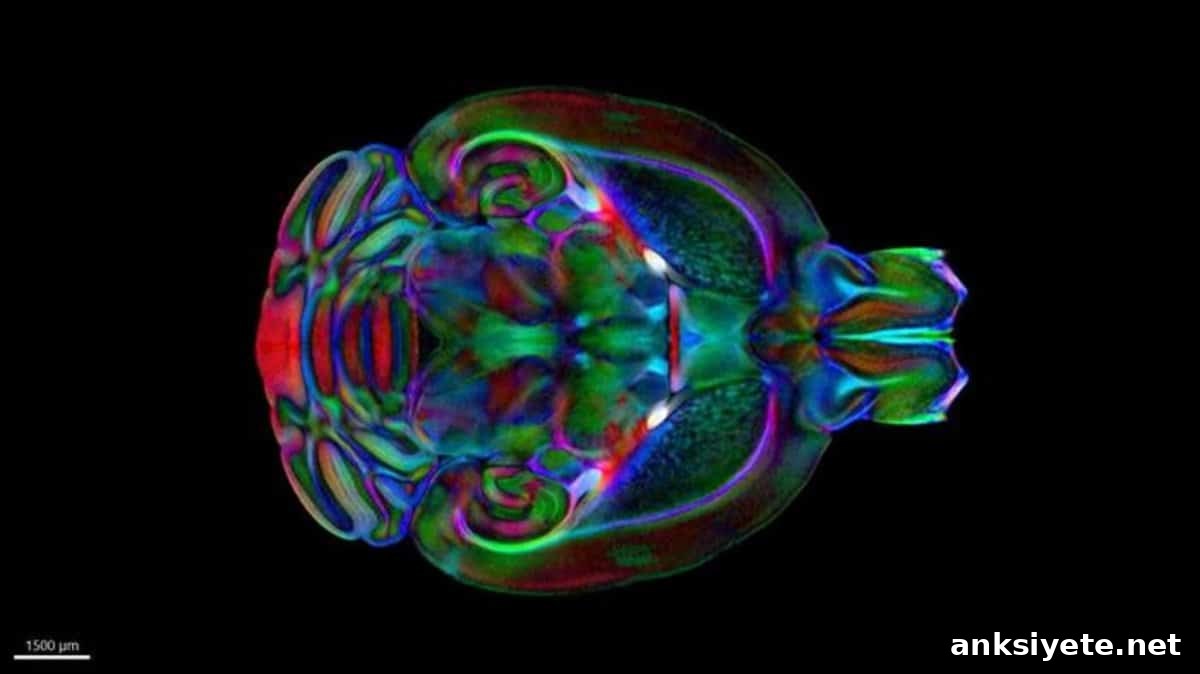
featured 109405

Summary: Researchers have released the Duke Mouse Brain Atlas, a state-of-the-art three-dimensional map that captures brain structure at scales ranging from whole regions down to individual cells. By integrating high-resolution MRI, microCT, and light sheet microscopy, the atlas corrects for imaging distortions and creates a consistent spatial framework for comparing data across studies. Designed as … Read more

Mapping Neural Circuits Behind Mate Choice in Fruit Flies

featured 22540

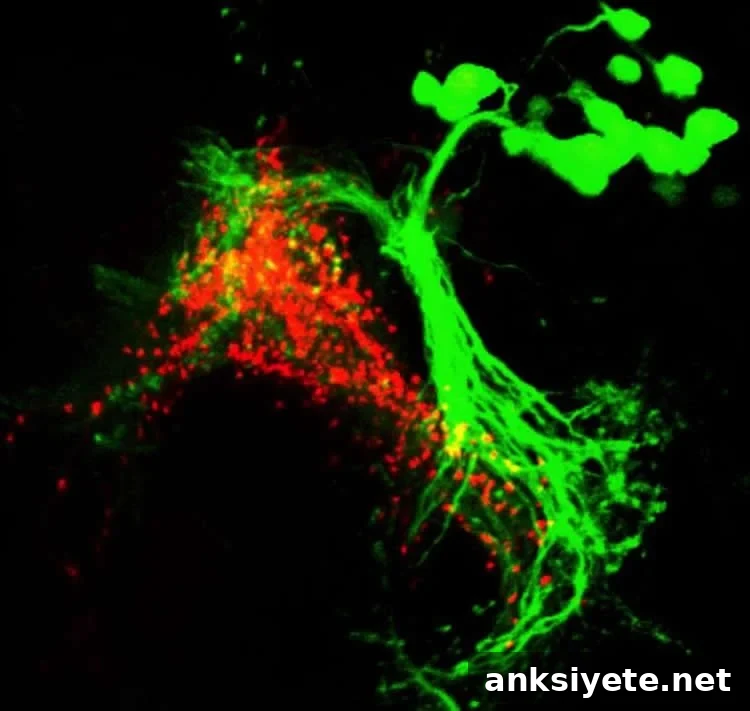
If you’ve ever discovered a banana covered with a cloud of tiny flies, you were witnessing the busy courtship of Drosophila melanogaster. These fruit flies engage in elaborate mating behaviors on ripe fruit, and male flies make surprisingly precise choices about whom to pursue—decisions that have intrigued scientists for decades. Researchers at Rockefeller University have … Read more

Why Superstitions Persist: The Science Behind Belief

featured 25307

Many sports fans put on a “lucky” shirt before a big game, fully aware that clothing cannot change the outcome—but they do it anyway. Even well-educated, emotionally stable adults sometimes hold on to superstitions they know are irrational. New research from the University of Chicago Booth School of Business offers a clearer explanation for how … Read more