
Summary: A neurogenetics study from Niigata University shows that APOE ε4 — a genetic variant best known for increasing Alzheimer’s disease risk — also strongly influences how pathology spreads in amyotrophic lateral sclerosis (ALS). The research demonstrates that ALS comprises biologically distinct subtypes whose progression is shaped in part by a patient’s genetic profile.
Using data from autopsy-confirmed cases, investigators found that carriers of APOE ε4 have a substantially higher likelihood of developing a severe, brain-wide ALS subtype that extends well beyond motor neurons and often leads to cognitive decline and dementia.
Key Facts
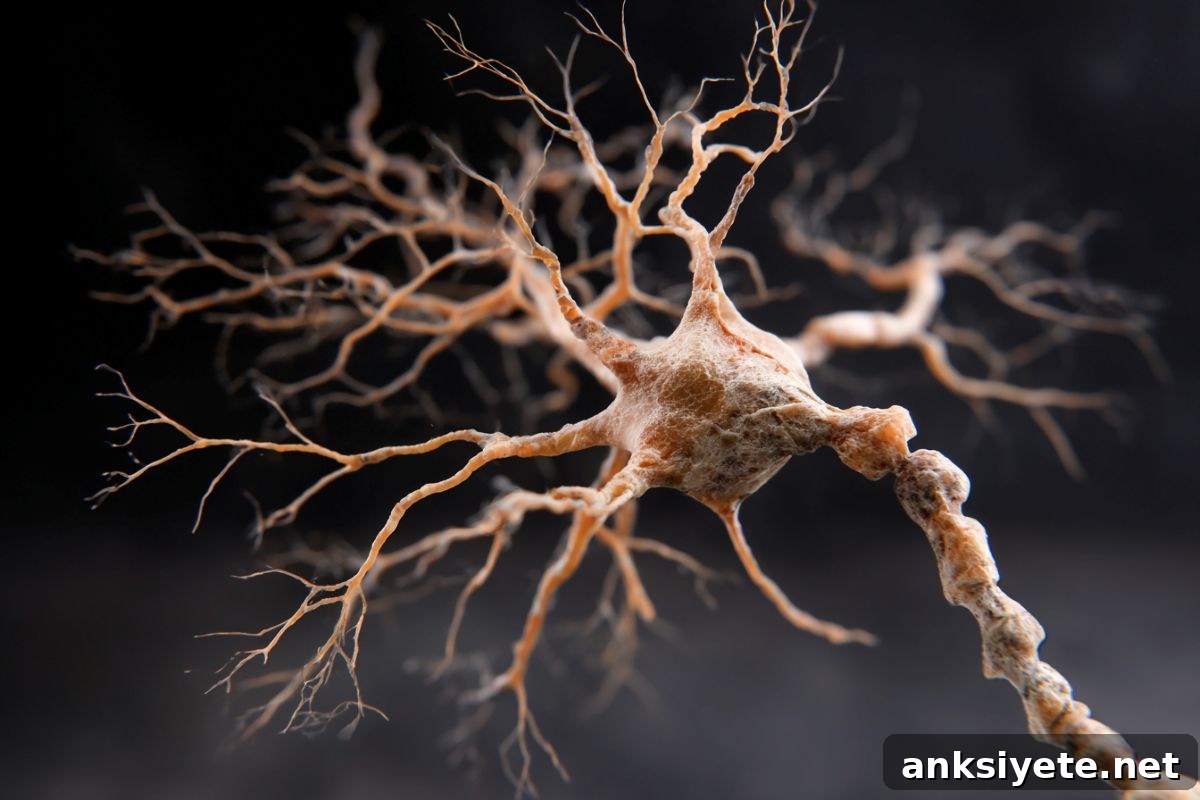
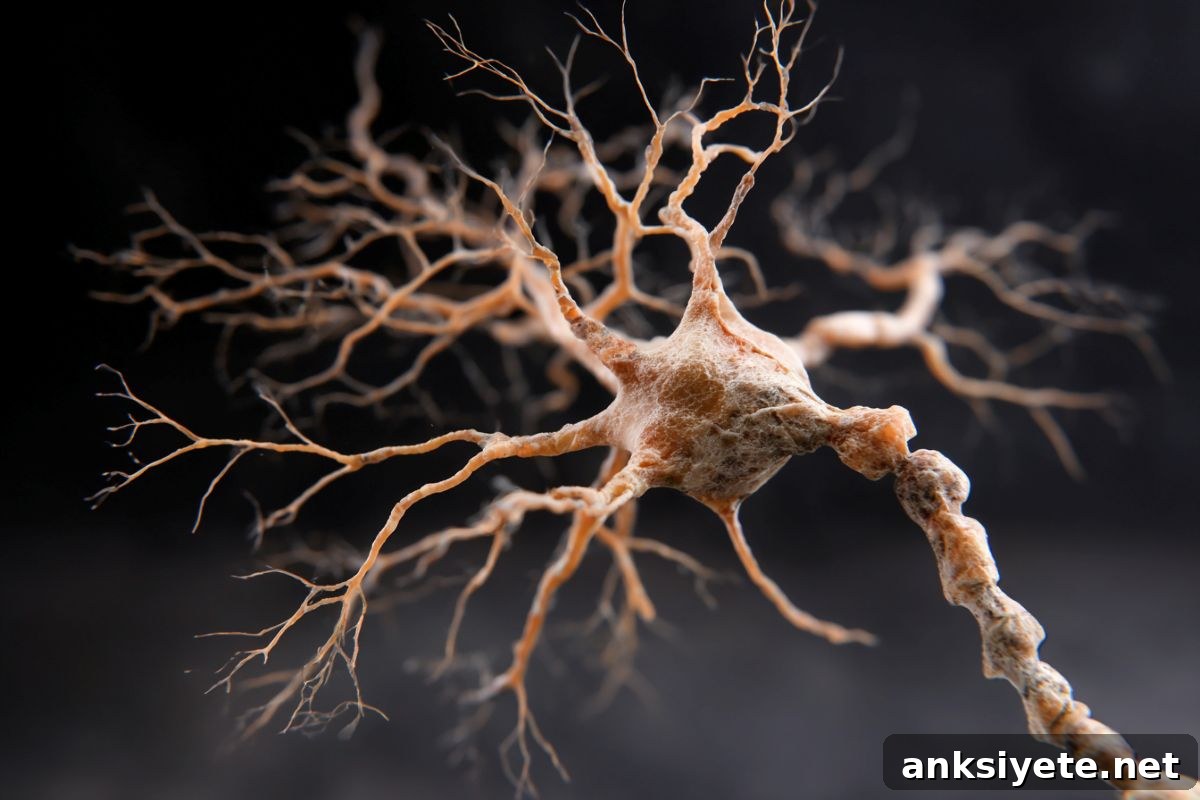
- The protein signature of ALS: ALS is a progressive disorder that destroys motor neurons — cells that control movement, speech, swallowing and breathing. A core pathological feature is accumulation of an abnormal protein called phosphorylated TDP-43 (pTDP-43) in neurons of the brain and spinal cord.
- Two pathological subtypes: The anatomical spread of pTDP-43 varies between patients. In Type 1 ALS the pathology is largely confined to motor regions. In Type 2 ALS the pTDP-43 pathology spreads into frontal and temporal lobes and the hippocampus, causing marked cognitive and behavioral impairment.
- APOE ε4 increases risk of widespread pathology: In a series of 145 sporadic ALS cases confirmed at autopsy, 65.5% of APOE ε4 carriers showed the widespread Type 2 pattern, compared with 39.7% of non-carriers.
- An independent biological pathway: Structural equation modeling and machine learning analyses indicate APOE ε4 promotes the spread of TDP-43 by a mechanism distinct from classic Alzheimer’s disease changes such as amyloid‑β or tau accumulation.
- Implications for personalized care: Knowing a patient’s APOE genotype could help clinicians anticipate cognitive decline, schedule cognitive assessments, plan communication support, and make informed decisions about interventions such as ventilatory assistance.
Source: Niigata University
Overview of the study
Researchers at the Brain Research Institute, Niigata University analyzed genetic and neuropathological information from 145 autopsy-confirmed, sporadic ALS cases. They classified each case into one of two TDP-43 distribution subtypes: type 1, with pathology mainly restricted to motor areas, and type 2, with widespread cortical involvement including frontotemporal regions and the hippocampus. The team then examined APOE genotype alongside other clinical and pathological measures to determine whether APOE ε4 influences which subtype develops.
The analysis revealed a clear association: APOE ε4 carriers were significantly more likely to exhibit the Type 2, widespread TDP-43 pathology. Importantly, additional statistical modeling showed this association remained even after accounting for Alzheimer’s-related amyloid‑β and tau pathology, suggesting APOE ε4 influences ALS progression through a separate pathway.
Researchers applied structural equation modeling and a random forest machine learning approach to tease apart direct and indirect relationships among APOE ε4, age, disease duration, rare variants in ALS-associated genes, and Alzheimer’s-type pathology. These methods supported a direct link between APOE ε4 and the widespread TDP-43 subtype, while rare ALS gene variants did not show a clear effect on subtype classification.
What this means for patients and clinicians
This study reframes ALS as a disease with biologically distinct subtypes rather than a single uniform disorder. APOE genotyping at diagnosis could become a useful tool to stratify patients by risk of developing cognitive impairments. Early identification of individuals vulnerable to the Type 2 pattern would enable proactive care planning: targeted cognitive assessments, early introduction of communication aids, and timely discussions about advanced care options such as ventilatory support. Ultimately, subtype-aware approaches could guide clinical trial design and foster development of therapies tailored to biological disease variants.
Key Questions Answered
A: No. Carrying APOE ε4 is a risk factor, not a certainty. It affects how abnormal proteins behave if a neurodegenerative process begins, but it does not guarantee disease development. In the context of ALS, APOE ε4 appears to accelerate the spread of pathology once ALS is present, increasing the likelihood of cognitive involvement.
A: The study shows APOE ε4 has effects beyond classic Alzheimer’s pathways. It seems to promote migration of pTDP-43 into cognitive regions by mechanisms that do not require amyloid‑β or tau, indicating shared molecular vulnerabilities across neurodegenerative conditions.
A: Potentially. APOE genotyping could inform risk-based monitoring and early planning for communication and respiratory care. Integrating genotype information into clinical workflows would support more personalized, anticipatory care for patients at higher risk of cognitive decline.
Editorial Notes
- This article was edited by a Neuroscience News editor.
- The original journal article was reviewed in full by the editorial team.
- Contextual information was added by staff writers to clarify implications for patients and clinicians.
About this genetics and ALS research news
Author: Yuya Hatano
Source: Niigata University
Contact: Yuya Hatano – Niigata University
Image credit: Neuroscience News
Original research: Open access. Title: “APOE ε4 influences the widespread TDP-43 pathological subtype in sporadic amyotrophic lateral sclerosis” by Yuya Hatano, Asa Nakahara, Mari Tada, Akiyoshi Kakita, Osamu Onodera & Tomohiko Ishihara. DOI: 10.1007/s00401-026-03029-y
Abstract
APOE ε4 influences the widespread TDP-43 pathological subtype in sporadic amyotrophic lateral sclerosis
Amyotrophic lateral sclerosis (ALS) is a fatal neurodegenerative disorder; most sporadic cases exhibit TAR DNA-binding protein 43 (TDP-43) pathology. The anatomical distribution of TDP-43 pathology varies among patients, and the factors driving this heterogeneity have been unclear.
Apolipoprotein E (APOE) ε4 is known to influence pathological protein spread in several neurodegenerative diseases, suggesting it may also modulate TDP-43 distribution in ALS. To test this, the authors examined 145 autopsy-confirmed sporadic ALS cases, classifying TDP-43 pathology into type 1 (largely motor-region restricted) and type 2 (widespread cortical involvement). APOE genotypes and rare variants in known ALS-associated genes were determined through exome sequencing, and amyloid‑β and tau pathologies were staged neuropathologically.
Using structural equation modeling and a random forest approach, the study found that APOE ε4 carriers had a significantly higher proportion of type 2 pathology. Bayesian structural equation models indicated APOE ε4 was directly associated with the widespread TDP-43 subtype independently of amyloid‑β and tau, while reproducing the expected APOE ε4 effects on Alzheimer’s-related changes. Rare variants in ALS-associated genes showed no clear impact on TDP-43 subtype.
These results suggest APOE ε4 alters the anatomical distribution of TDP-43 pathology in sporadic ALS through mechanisms that are independent of classical Alzheimer’s disease pathology. Incorporating APOE genotype into ALS patient stratification may aid the development of subtype-specific therapeutic strategies and personalized care pathways.