Science-Based Strategies to Overcome Nightmares and Insomnia
featured 110741

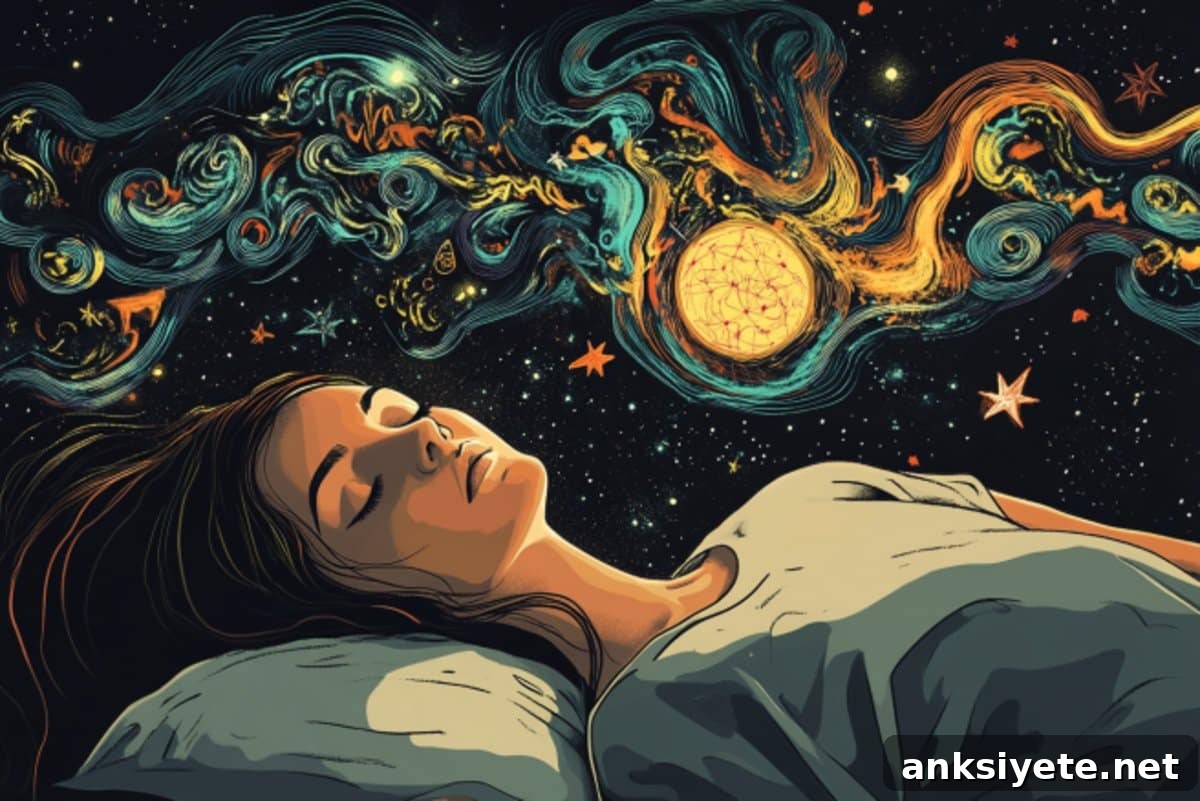
New Workbook Offers Evidence-Based Strategies to Treat Nightmares and Insomnia Summary: A new, research-driven workbook presents practical, therapist-informed methods to reduce chronic nightmares and improve sleep. Combining the American Academy of Sleep Medicine’s top-recommended approach—imagery rehearsal therapy—with other evidence-based techniques, the guide teaches readers how to reshape distressing dreams, establish healthier sleep routines, and restore … Read more
Symptom Provocation Enhances Brain Stimulation Outcomes

featured 110737

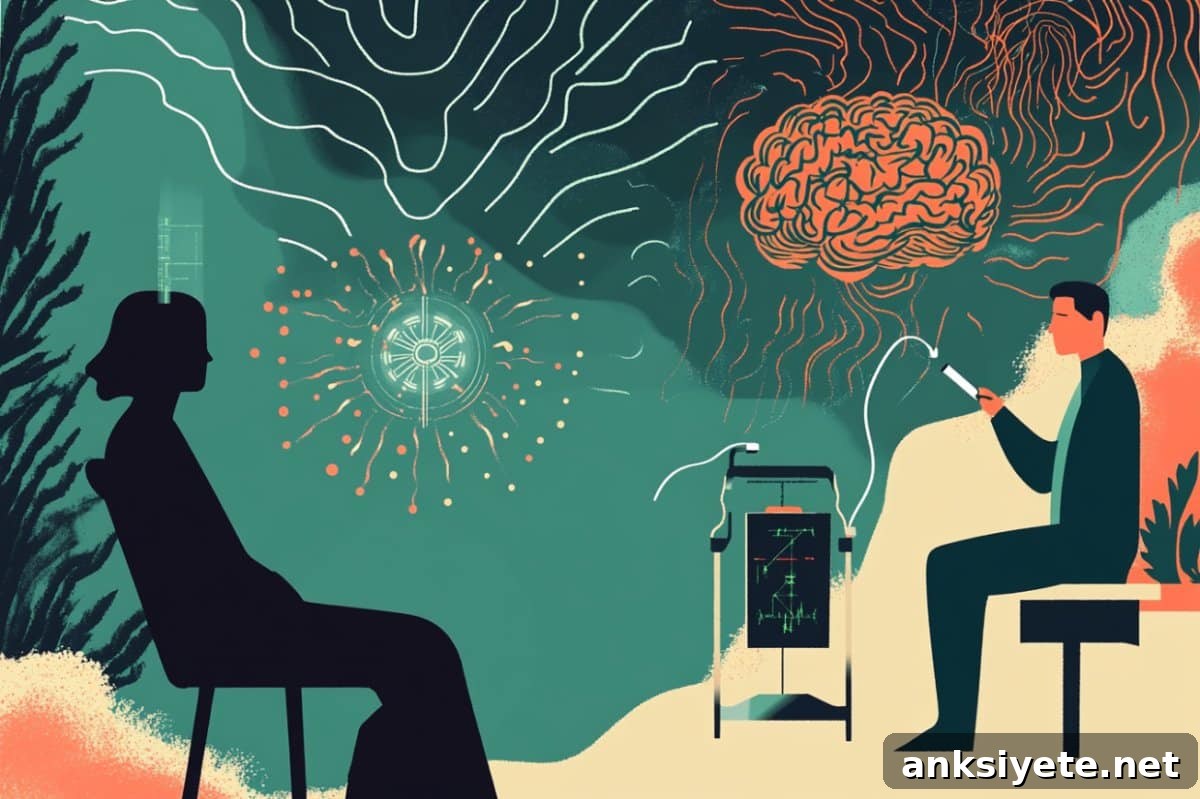
Summary: A new meta-analysis indicates that deliberately provoking symptoms immediately before administering repetitive transcranial magnetic stimulation (rTMS) may improve clinical outcomes for obsessive-compulsive disorder (OCD) and nicotine dependence. By combining results from many studies, researchers found that rTMS paired with targeted symptom provocation produced nearly double the effectiveness compared with rTMS without provocation, suggesting a … Read more

How a Brain Region Stores and Resolves Landmark Hypotheses

featured 110728

Summary: Researchers have discovered that the mouse brain can hold and process multiple competing hypotheses about spatial location while navigating environments with ambiguous landmarks. In a demanding task where identical cues could indicate different places, neurons in the retrosplenial cortex (RSC) produced distinct activity patterns corresponding to different possible locations. Once additional information resolved the … Read more

Many People with Insomnia Accurately Perceive Sleep-Wake Patterns

featured 110724

Summary: A new study shows that people with insomnia often retain accurate sleep–wake perception and intact sleep-regulatory systems, even when they subjectively report poor sleep. Using repeated awakenings during monitored sleep in a laboratory, researchers observed no significant difference in direct sleep perception between individuals with insomnia disorder and healthy controls. These findings suggest that … Read more

Study Finds Bacterial Molecules in Blood Slow Skin Aging

featured 110720

Summary: Researchers have identified three indole-based compounds produced by the blood bacterium Paracoccus sanguinis that show protective effects against processes linked to skin aging. In cultured human skin cells, these metabolites lowered markers of inflammation, oxidative stress and collagen breakdown—key drivers of aged-looking skin. Two of the three active molecules are newly discovered, making them … Read more

Nanowire Retinal Implant Restores Sight and Detects Infrared

featured 110712

Summary: Researchers have developed a retinal prosthesis made from tellurium nanowires that restores partial vision in blind mice and grants sensitivity to near-infrared light in primates. The implant is woven into a flexible lattice of light-sensitive nanowires that converts visible and near-infrared light into electrical signals interpretable by the retina and brain. In genetically blind … Read more

Brain Reward Center Tracks What and When Rewards Arrive

featured 110708

Summary: The ventral tegmental area (VTA) of the brain encodes not only the expected value of rewards but also the precise timing when those rewards are likely to occur. Long recognized for its role in producing dopamine and signaling reward predictions, the VTA is now shown to represent reward expectations across multiple timescales, giving the … Read more

When the Brain Mistakes Imagination for Reality

featured 110704

Summary: A new study identifies brain mechanisms that allow us to tell real perceptions apart from vivid imagination. Researchers found that the fusiform gyrus—a mid-level visual area behind the temples—plays a central role in deciding whether a visual experience originates from the outside world or from our own mind. Strong activation in this region can … Read more

Rubber-Paw Illusion Discovered in Mice

featured 110700

Summary: A new study demonstrates that mice can experience a sense of embodiment toward an artificial limb, much like humans in the classic rubber‑hand illusion. When a mouse’s real forelimb was hidden and both the real and a visible artificial limb were stroked in synchrony, mice visually tracked a threat directed at the artificial limb—evidence … Read more

Can AI Be Funny? Why Human Humor Still Wins

featured 110694

Summary: A recent study finds that advanced AI can generate internet memes that are, on average, as funny and shareable as those created by humans. However, the most memorable jokes still tend to come from people. Researchers evaluated memes produced by humans, by a large language model (LLM) alone, and by human–AI teams, using familiar … Read more