
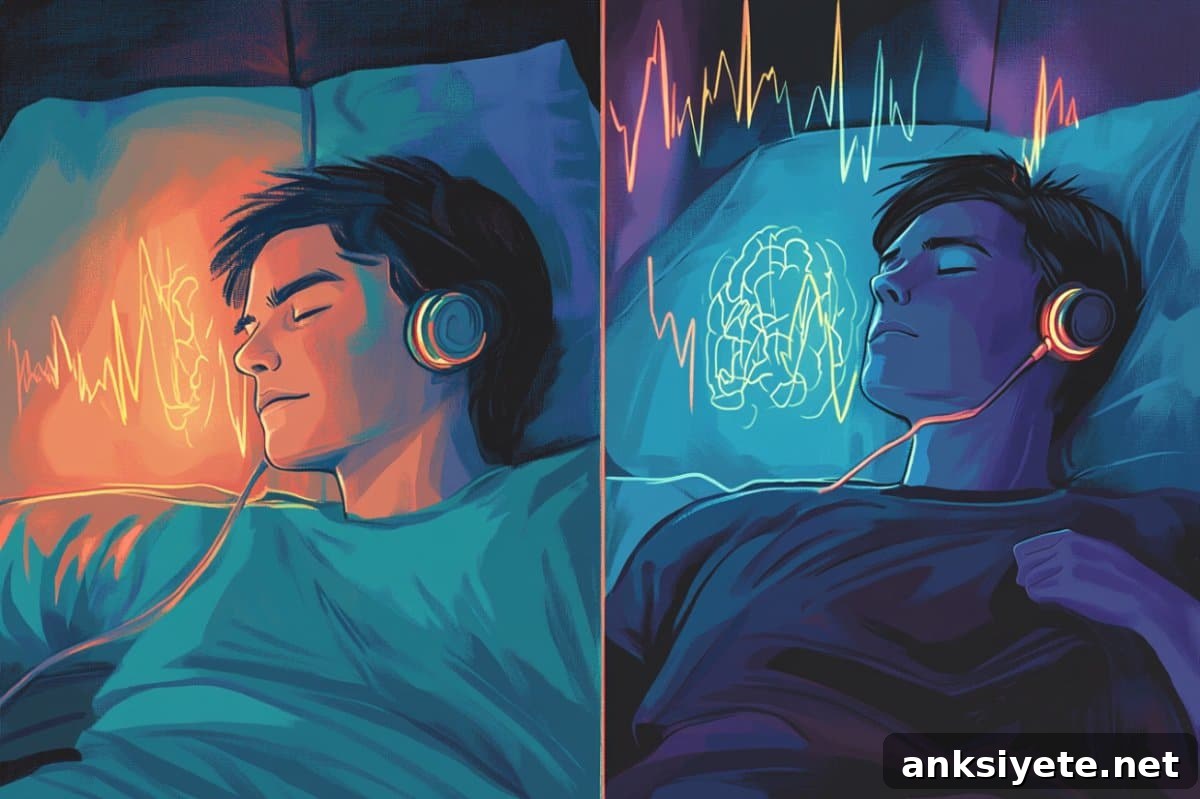
Summary: A new study shows that people with insomnia often retain accurate sleep–wake perception and intact sleep-regulatory systems, even when they subjectively report poor sleep. Using repeated awakenings during monitored sleep in a laboratory, researchers observed no significant difference in direct sleep perception between individuals with insomnia disorder and healthy controls.
These findings suggest that persistent cognitive, emotional, and behavioral factors—rather than fundamentally broken sleep mechanisms—may drive chronic insomnia complaints. The results reinforce cognitive behavioral therapy for insomnia (CBT-I) as the recommended first-line treatment over prolonged medication use.
Key facts
- Sleep perception often intact: During laboratory testing, patients with insomnia perceived sleep similarly to healthy participants.
- Brain arousal linked to wake perception: Higher-frequency brain activity during sleep predicted the subjective experience of being awake.
- Supports CBT-I: The study strengthens evidence favoring CBT-I as the primary treatment approach for chronic insomnia.
Source: University of Geneva
Research overview
A collaborative research team from Geneva University Hospitals (HUG), the University of Geneva (UNIGE) and the Universitäre Psychiatrische Dienste Bern (UPD) at the University of Bern (UNIBE) examined sleep perception and regulatory function in people diagnosed with insomnia disorder. Their multimodal study, published in Scientific Reports, compared objective sleep measures and direct sleep–wake perception in 30 patients with insomnia disorder and 30 healthy control participants.
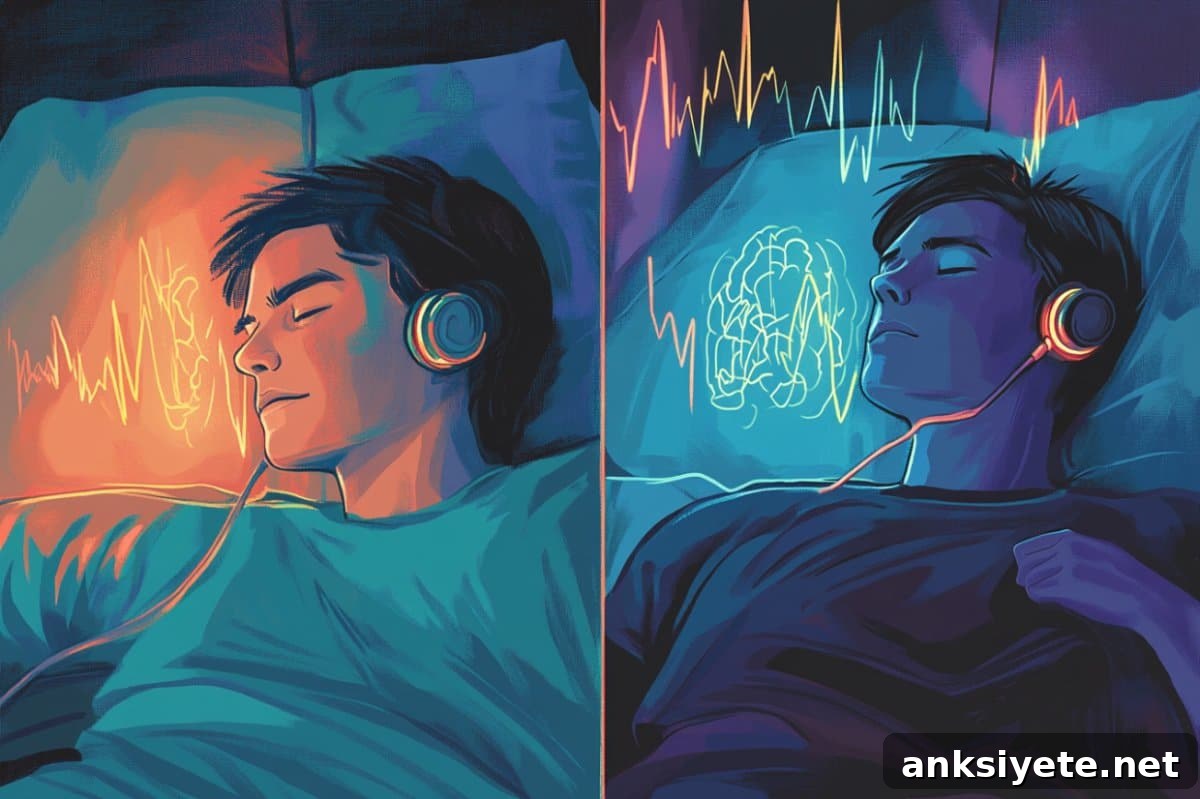
Insomnia disorder affects an estimated 5–10% of adults and is defined primarily by a subjective complaint of reduced quantity or quality of sleep that often is not fully reflected in objective recordings. To investigate the mechanisms behind this mismatch, the researchers conducted a controlled sleep-laboratory protocol with adaptation nights followed by an experimental night of serial, deliberate awakenings.
On the experimental night, participants were awakened up to 12 times from non‑rapid eye movement (NREM) sleep using a vibrating bracelet. Each awakening triggered an automated interview asking whether the participant felt they had been asleep or awake immediately before the awakening. Simultaneously, high-resolution electroencephalography (EEG) and standard polysomnography measured sleep continuity, architecture, and spectral features.
Main findings
Across both groups, reports of having been asleep or awake were nearly evenly distributed: roughly half of awakenings were associated with the perception of sleep and half with the perception of wakefulness. There was no significant group-level difference in that distribution, indicating that direct sleep–wake perception during NREM sleep was similar in patients and controls.
Objective sleep measures—such as sleep continuity, sleep architecture, spectral power, spectral slope, and phase-amplitude coupling between slow oscillations and spindles—also did not differ meaningfully between groups. The strongest predictor of perceiving wakefulness was elevated high-frequency spectral power immediately prior to awakening, an EEG marker associated with cortical arousal. This relationship held across both patients and healthy participants.
Taken together, these observations support the concept of a sleep–wake continuum and the presence of wake-like physiological activity during sleep. They indicate that the core sleep-regulatory systems and direct perception of sleep versus wake are often preserved in insomnia disorder, at least when assessed with current standard laboratory measures.
Clinical implications
If sleep-regulatory mechanisms and momentary sleep perception are commonly intact, the chronic subjective sleep complaints that define insomnia disorder may arise through learned and persistent cognitive, emotional, and behavioral processes. This perspective aligns with the clinical emphasis on psychological and behavioral interventions.
Consequently, the authors emphasize CBT-I as the recommended first-line treatment. CBT-I targets maladaptive thoughts and behaviors that perpetuate insomnia and can help patients recalibrate their perceptions and sleep habits. Short-term pharmacotherapy remains an option for acute relief but carries risks such as side effects, tolerance, and dependence, and therefore should not replace CBT-I as the primary approach.
Ongoing research aims to further characterize the proposed sleep–wake continuum, identify potential subgroups of insomnia patients who might differ in physiology or treatment response, and expand access to evidence-based CBT-I delivery.
About this study
Author: Antoine Guenot, University of Geneva
Research team lead: Christoph Nissen and colleagues at HUG, UNIGE and UPD/UNIBE
Journal: Scientific Reports (open access)
Original research: Multimodal assessment of sleep-wake perception in insomnia disorder — Christoph Nissen et al. (Scientific Reports)
Abstract (summary)
In this multimodal assessment of insomnia disorder, patients with significant subjective sleep complaints did not differ from healthy controls on objective measures of sleep continuity, architecture, spectral power, spectral slope, or phase-amplitude coupling. Perception of wakefulness following serial NREM awakenings occurred frequently in both groups without significant group differences. Elevated high-frequency EEG power prior to awakening predicted the perception of wakefulness across participants, consistent with wake-like physiological activity during sleep. These results support the idea that sleep–wake regulatory systems and direct sleep–wake perception are often intact in insomnia disorder and provide empirical support for CBT-I as the first-line treatment.