How Circular RNAs Form in the Brain

featured 110801

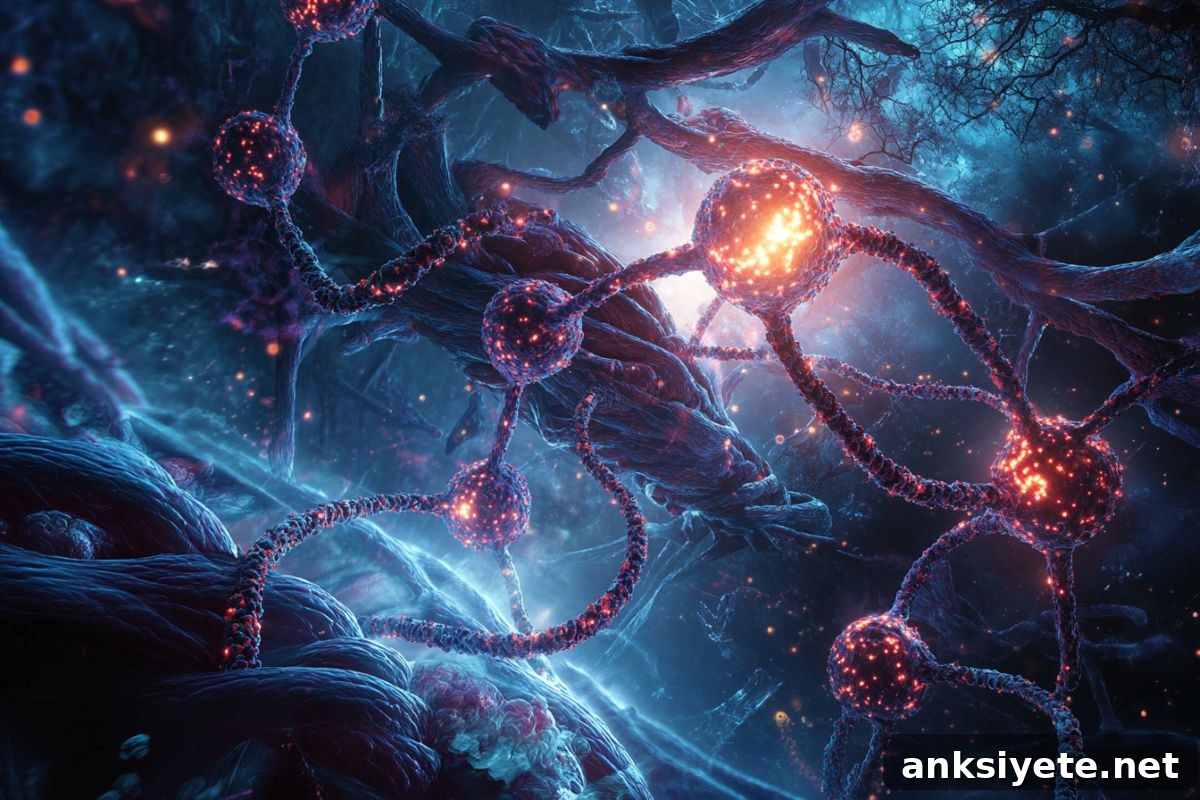
Summary: Circular RNAs (circRNAs) are stable, closed-loop RNA molecules that play important roles in brain development, synaptic function, and long-term cellular regulation. Their circular form protects them from degradation, making them especially well suited to neurons. New research from the Max Planck Institute has identified the RNA-binding protein ELAV as a global regulator that shifts … Read more


Why Baby Talk Boosts Infant Language Development

featured 110797

Summary: A comprehensive meta-analysis confirms that adults commonly exaggerate vowel sounds when speaking to infants—an effect known as vowel hyperarticulation in infant-directed speech (IDS). By synthesizing results from 55 studies spanning at least 10 languages, researchers found reliable evidence for vowel exaggeration in IDS overall, while also identifying substantial variation related to language, measurement approach, … Read more

Stress-Induced Brain Circuit Disrupts Sleep and Memory

featured 110783

Summary: New research identifies a stress-sensitive neural circuit that links disrupted sleep and impaired memory in male mice. By selectively activating neurons in the paraventricular nucleus (PVN) of the hypothalamus—cells long associated with the stress response—researchers produced both sleep loss and poorer memory performance. In contrast, dampening the activity of these neurons in stressed animals … Read more

How Psilocybin Enhances Spiritual Awareness and Insight

featured 110779

Summary: A controlled clinical study found that two guided psilocybin sessions produced substantial and lasting improvements in psychological well-being, spiritual insight, and vocational functioning among clergy from several major world religions. Participants described these sessions as among the most spiritually significant and psychologically meaningful experiences of their lives, with many reporting sustained positive changes in … Read more

Mood Disorders in Later Life Could Predict Alzheimer’s

featured 110775

Summary: Late-onset depression and bipolar disorder may be early indicators of neurodegenerative disease rather than solely psychiatric conditions. Using advanced tau and amyloid PET imaging alongside postmortem tissue analyses, researchers identified tau accumulation in roughly half of people with late-life mood disorders, often concentrated in frontal brain regions years before cognitive decline became evident. These … Read more

Sticky Molecules Could Prevent Vision Loss in AMD

featured 110770

Summary: New research from UC San Diego suggests that sticky sugar chains called heparan sulfate (HS) within Bruch’s membrane may capture lipoproteins and initiate the formation of drusen, an early hallmark of age-related macular degeneration (AMD). These fat-protein particles, similar to high-density lipoprotein (HDL), accumulate between the retinal pigment epithelium (RPE) and Bruch’s membrane, forming … Read more

How Sleep Quality Fuels Jealousy in Insecure Relationships

featured 110766

Summary: New research presented at the SLEEP 2025 meeting links poor sleep quality to increased feelings of jealousy in people who report high levels of attachment anxiety. The study finds that anxious attachment — characterized by insecurity, worry about a partner’s availability, and lower self-esteem in relationships — is associated with worse sleep quality, and … Read more

Fecal Microbiota Transplants Linked to Lasting Gut Imbalance

featured 110758

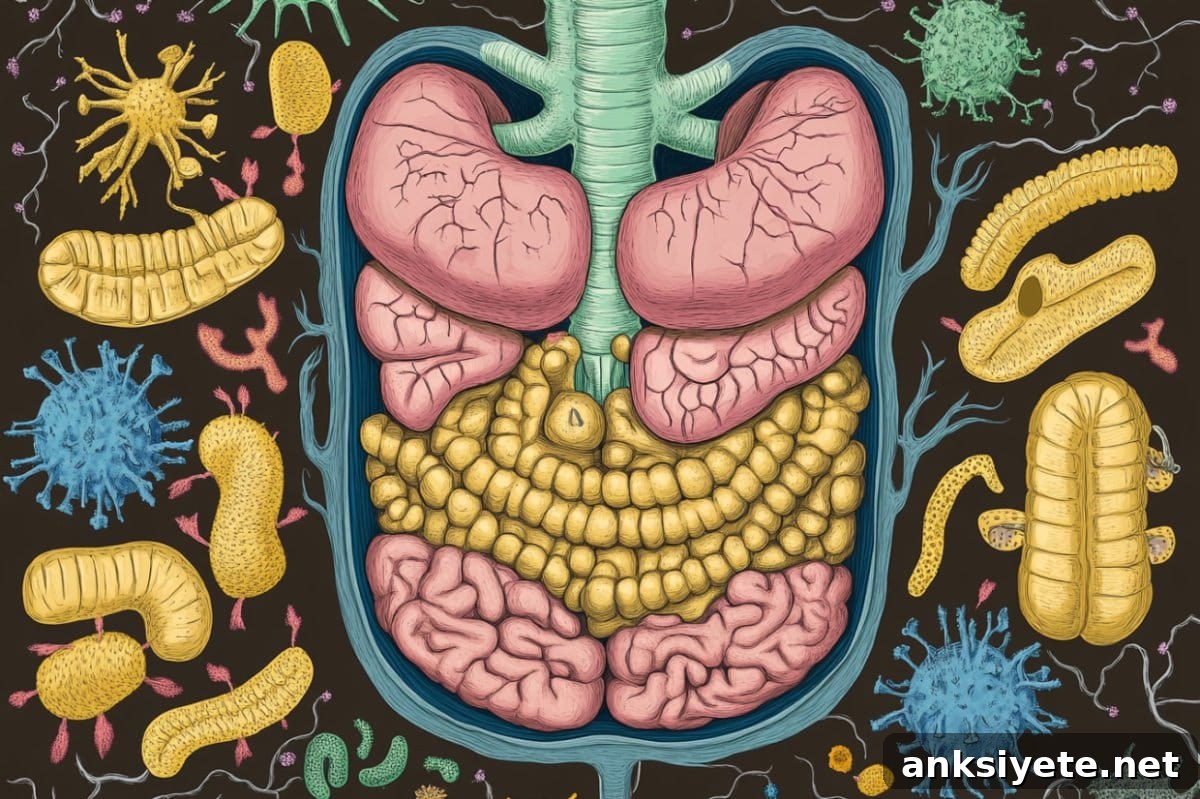
Summary: New research indicates that fecal microbiota transplants (FMT) can create persistent mismatches across gut regions, producing lasting metabolic, immune, and behavioral changes. FMT is intended to restore a healthy gut community by transferring stool-derived microbes from a healthy donor, but most organisms in stool originate in the colon and may colonize unintended regions such … Read more

Aphantasia: Why Some People Can’t Visualize Mental Images

featured 110753

Summary: Researchers have identified how people with aphantasia—those who cannot form voluntary mental images—process visual information differently in the brain. While the same visual and memory-related regions become active during imagery tasks, these regions show weaker connectivity in aphantasic individuals compared with people who have typical mental visualization. The findings support the idea that the … Read more

Listening to Autistic Voices

featured 110749

Summary: A large-scale analysis of more than 740,000 Reddit posts gives researchers a rare, ground-level view of how autistic individuals talk about their lives online. Using advanced natural language processing and topic modeling, the study groups conversations into recurring themes—such as music, food, friendships, sensory experiences, and coping strategies—revealing a community-focused discourse that emphasizes neurodiversity … Read more